Threshold
The Threshold as the First Language of Architecture
Every civilization begins with the invention of the threshold. Not the wall, not the roof, nor the road, but that subtle place where one reality ends and another begins. A threshold does not separate—it translates. It transforms distance into proximity, movement into experience, and space into meaning.
Human beings do not merely inhabit spaces; they inhabit the transitions between them. They move from the private to the public, from nature into the city, from noise into silence, from the familiar toward the unknown. Each transition generates a new perception. Long before architecture speaks, the threshold has already conveyed its message.
For this reason, the threshold is not an architectural detail. It is the first sign of a place. It is a cultural code that every human being can read without knowing its grammar. Like an ancient language, its meaning is not explained—it is experienced. Within it, memory meets expectation, orientation meets identity. Architecture begins where this invisible language is consciously designed.
The quality of the built environment therefore lies not only in form or function, but in its capacity to generate meaning. A design becomes architecture only when it enables people to experience a place as part of their own story.
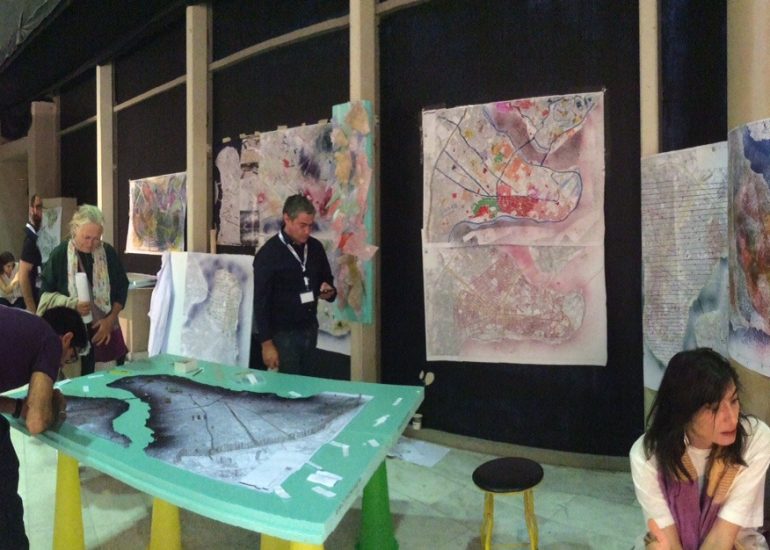
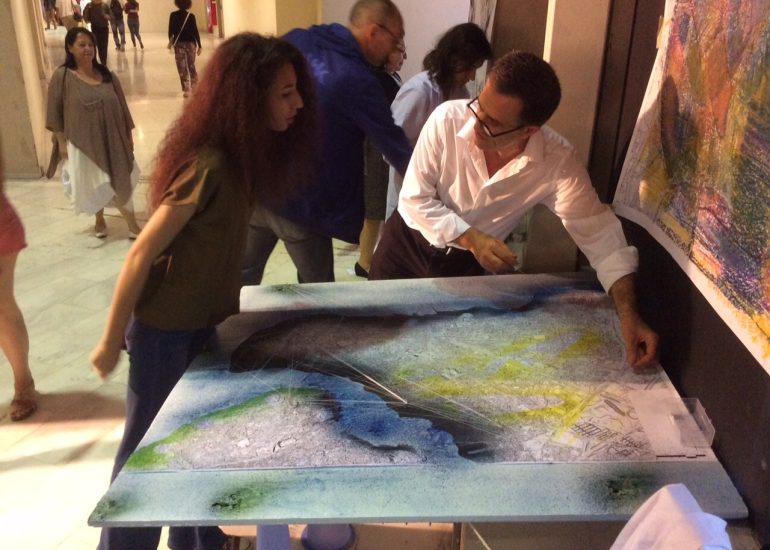
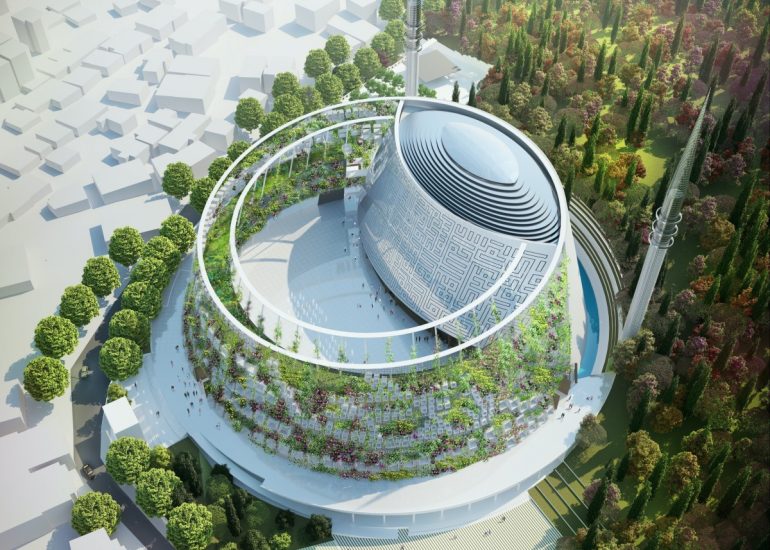
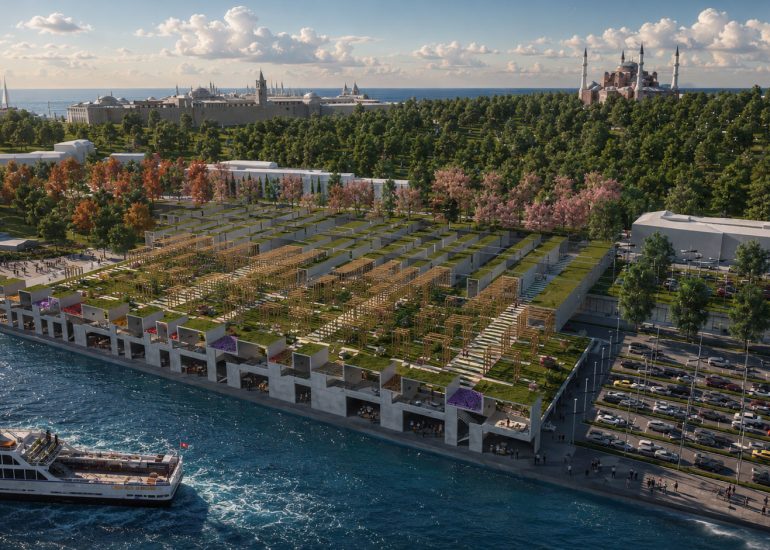
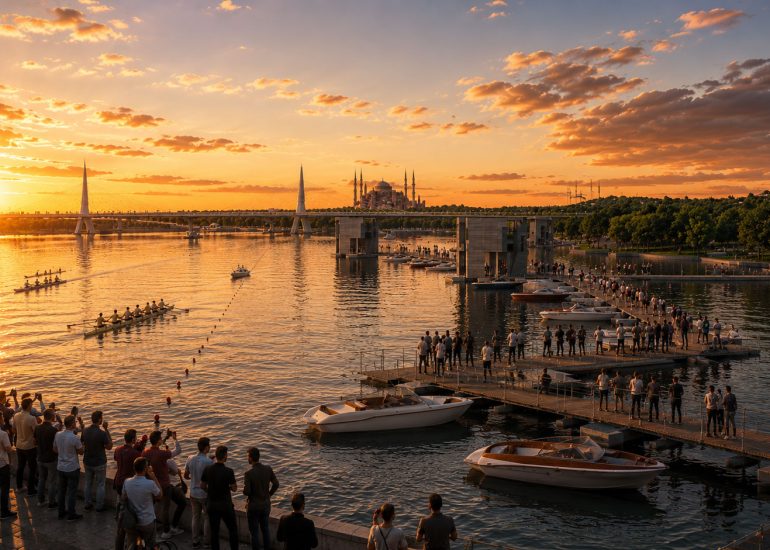
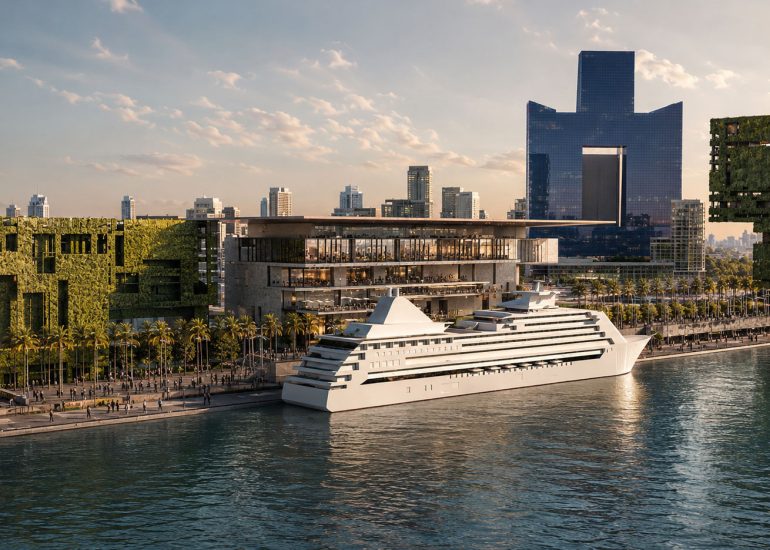
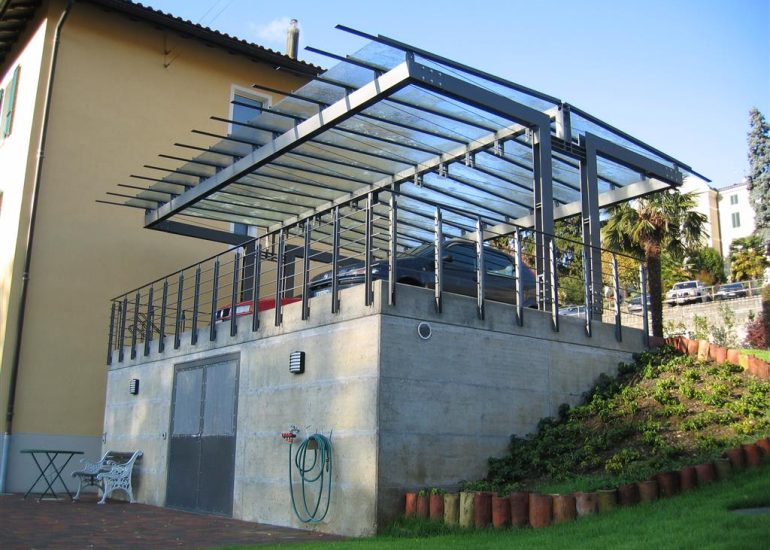
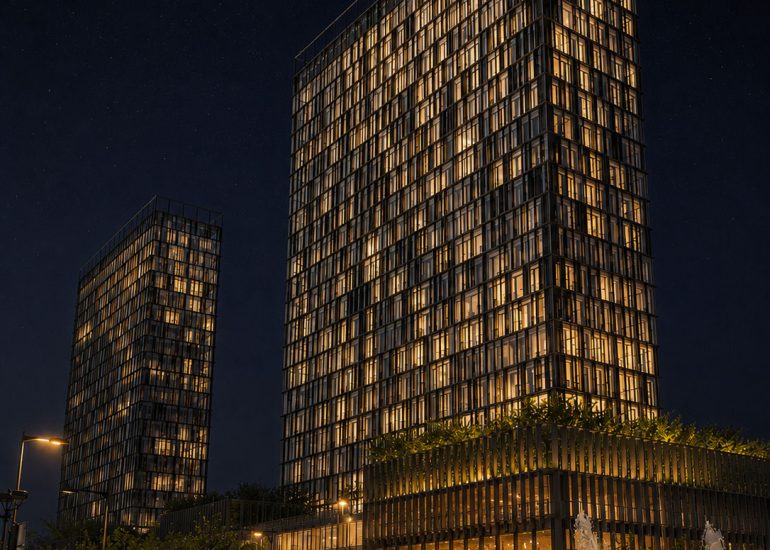
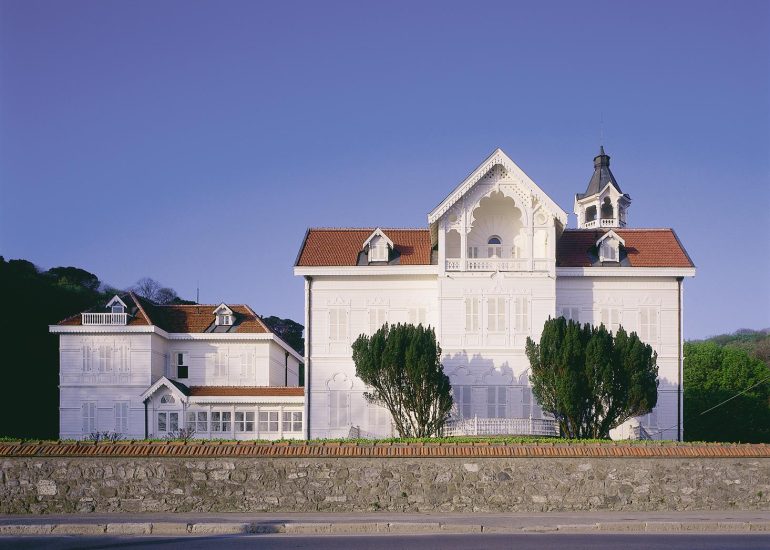
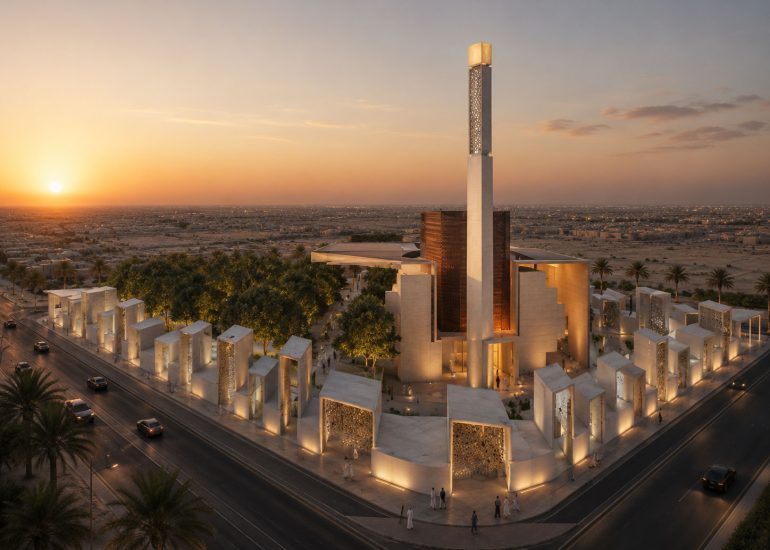
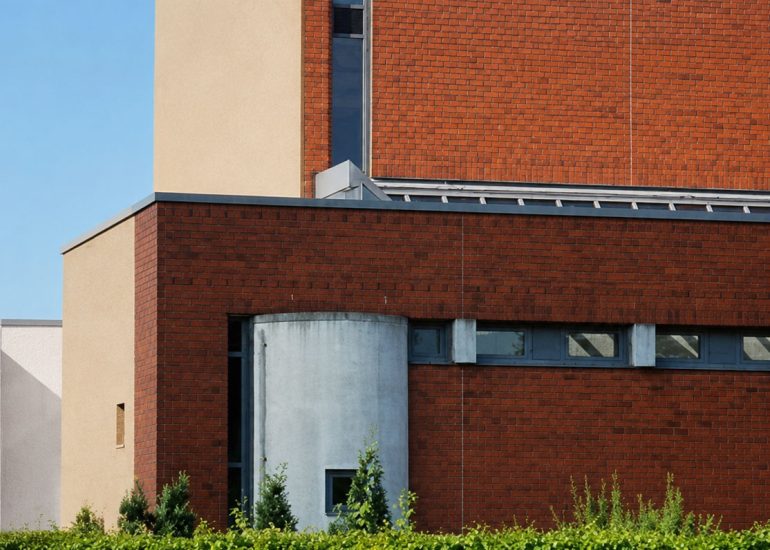
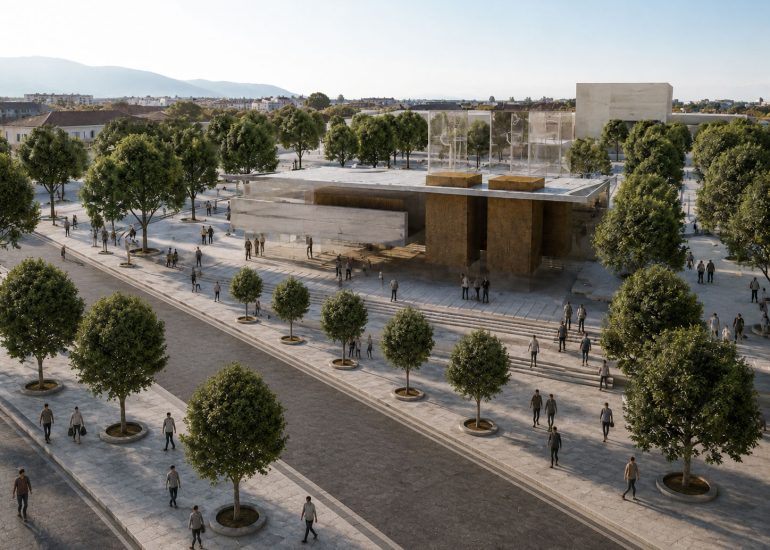
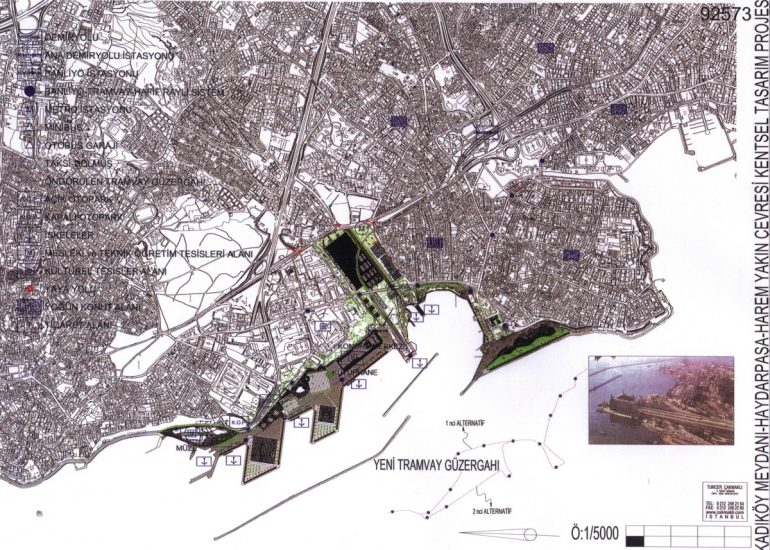
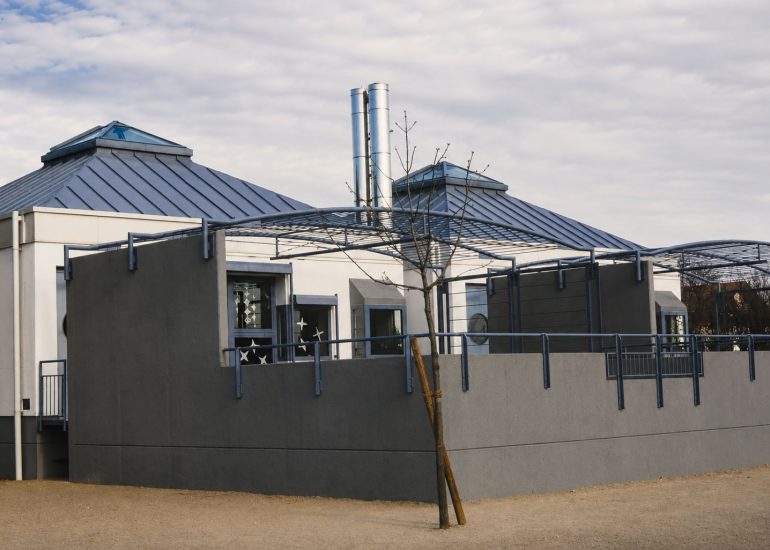
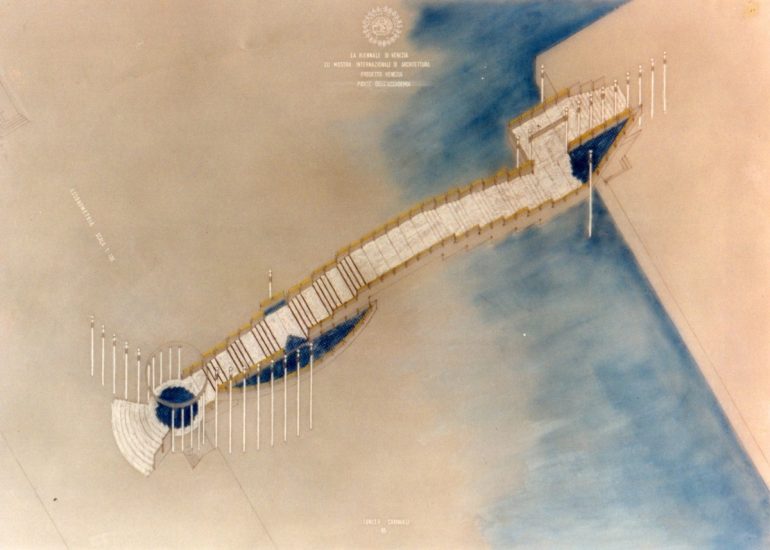
With this conviction, TCA approached the commission to design the entrances to the several-kilometre-long waterfront promenade on the Anatolian shore of Istanbul, facing the Princes’ Islands. Conceived by the Istanbul Metropolitan Municipality as a public park for recreation, sports and leisure, the waterfront required far more than functional access points. It demanded a spatial narrative.
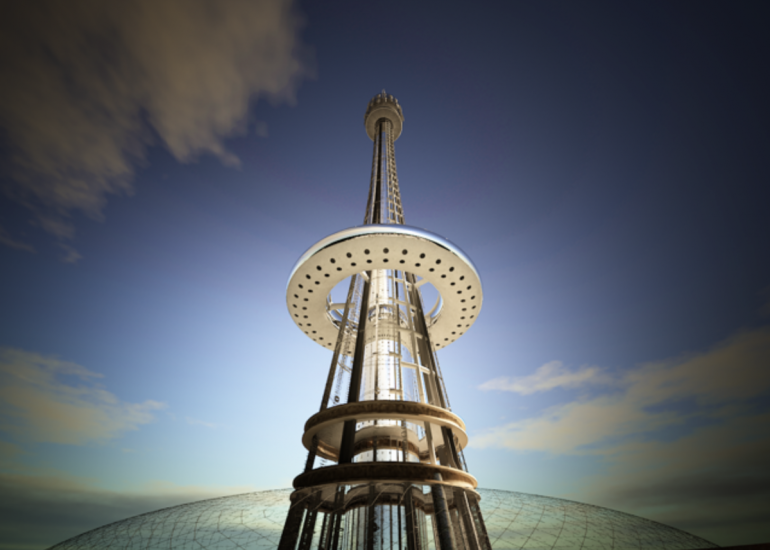
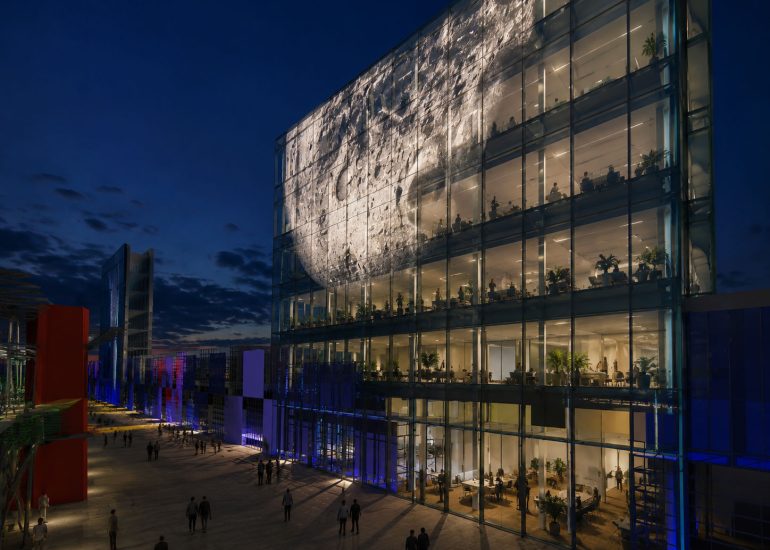
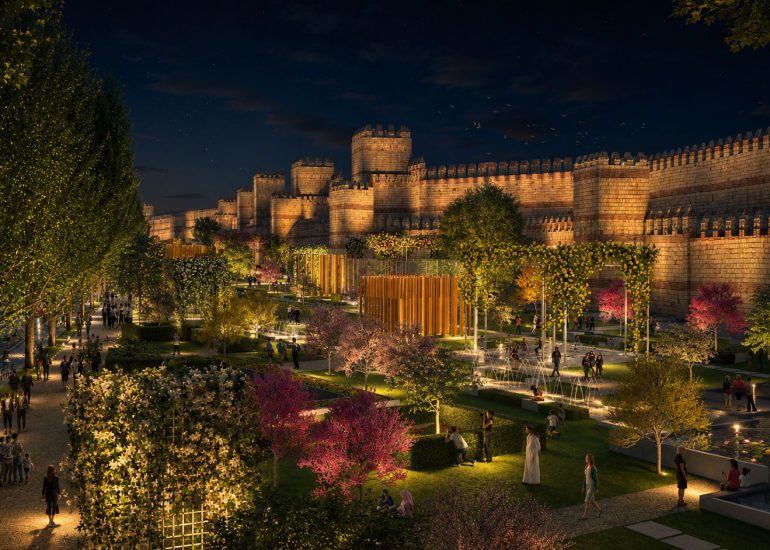
The arrival of a visitor—whether on foot or by car—marks the first moment of encounter with the place. That instant determines whether the landscape is merely seen or truly experienced. For this reason, the entrances were conceived not as gates but as architectural signs: places of transition, orientation and contemplation, mediating between the city and the sea.
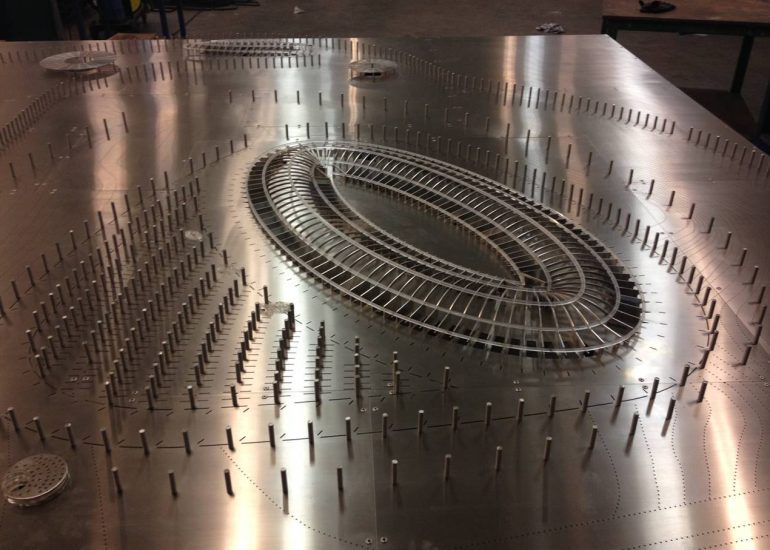
Each proposal emerged from a careful reading of the site’s topography, patterns of movement, visual relationships and cultural memory. Yet only their translation into spatial signs endowed them with meaning. The entrances became landmarks without monumentality, symbols without pathos—quiet architectures whose strength lies not in their scale but in their legibility.
Architecture does not create space. Space already exists. Architecture gives space meaning. And the threshold is its first word.
Mimarlığın İlk Dili Olarak Eşik
Her uygarlık, duvarın, çatının ya da yolun değil; bir dünyanın sona erip diğerinin başladığı o sessiz geçiş noktası olan eşiğin keşfiyle başlar. Eşik ayırmaz; tercüme eder. Mesafeyi yakınlığa, hareketi deneyime, mekânı ise anlama dönüştürür.
İnsan yalnızca mekânlarda yaşamaz; mekânlar arasındaki geçişlerde yaşar. Özel alandan kamusal alana, doğadan kente, gürültüden sessizliğe, tanıdıktan bilinmeyene doğru sürekli hareket eder. Her geçiş yeni bir algı üretir. Mimarlık konuşmaya başlamadan çok önce, eşik mesajını çoktan iletmiştir.
Bu nedenle eşik, mimari bir ayrıntı değildir. O, bir mekânın ilk işaretidir. Her insanın dilbilgisini bilmeden okuyabildiği kültürel bir koddur. Kadim bir dil gibi, anlamı açıklanmaz; yaşanır. Hafıza ile beklenti, yön bulma ile kimlik burada buluşur. Mimarlık, görünmeyen bu dilin bilinçli olarak tasarlandığı yerde başlar.
Bu nedenle yapılı çevrenin niteliği yalnızca biçimden ya da işlevden doğmaz. Asıl değer, mekâna anlam kazandırabilme yeteneğinde yatar. Bir tasarım, ancak insanın bulunduğu yeri kendi yaşam öyküsünün bir parçası olarak deneyimlemesini sağladığında mimarlığa dönüşür.
TCA, İstanbul Büyükşehir Belediyesi tarafından İstanbul’un Anadolu yakasında, Prens Adaları’nın karşısında uzanan kilometrelerce uzunluktaki sahil promenadının girişlerini tasarlama görevine bu düşünceyle yaklaştı. Kamusal bir dinlenme, spor ve rekreasyon parkı olarak kurgulanan bu kıyı şeridi, yalnızca işlevsel girişler değil; mekânsal bir anlatı talep ediyordu.
Bir ziyaretçinin ister yürüyerek ister araçla gelişi, mekânla kurduğu ilişkinin ilk anıdır. İşte bu ilk karşılaşma, manzaranın yalnızca görülüp görülmeyeceğini değil, gerçekten deneyimlenip deneyimlenmeyeceğini belirler. Bu nedenle girişler birer kapı olarak değil; kent ile deniz arasında geçişi kuran, yönlendiren ve düşünmeye davet eden mimari göstergeler olarak tasarlandı.
Her tasarım; topografyanın, dolaşım hareketlerinin, bakış ilişkilerinin ve mekânın kültürel hafızasının titizlikle okunmasıyla şekillendi. Ancak bu verilerin mekânsal işaretlere dönüşmesiyle anlam ortaya çıktı. Böylece girişler, anıtsallığa ihtiyaç duymayan simgesel odaklara dönüştü; gücünü büyüklüğünden değil, okunabilirliğinden alan sessiz mimarlık eserleri hâline geldi.
Mimarlık mekân yaratmaz. Mekân zaten vardır. Mimarlık, mekâna anlam kazandırır. Ve eşik, bu anlamın söylenen ilk kelimesidir.