Magok Waterfront Seoul Urban Design Concept
SOUTH KOREA
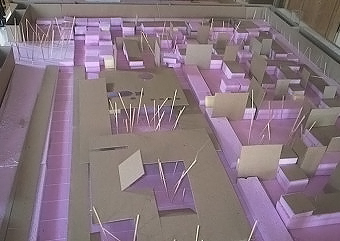
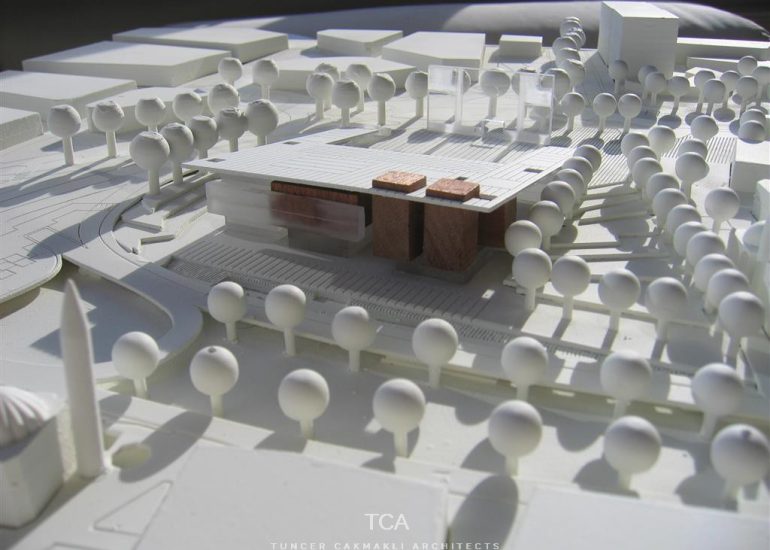
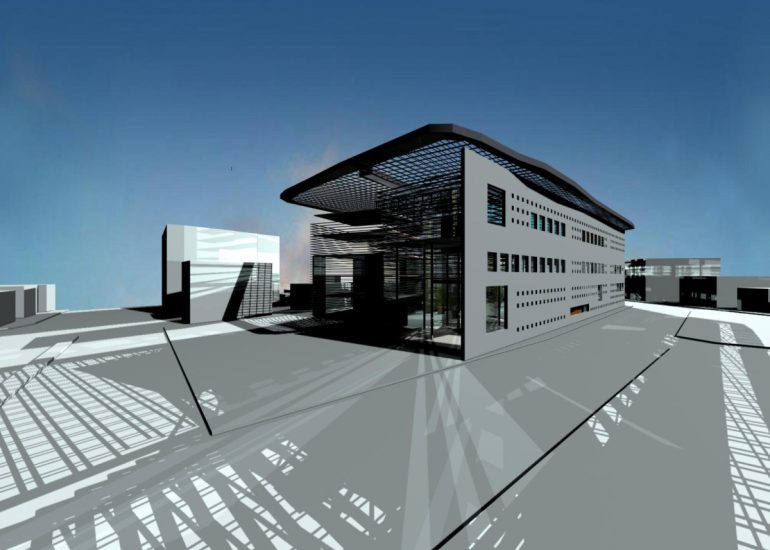
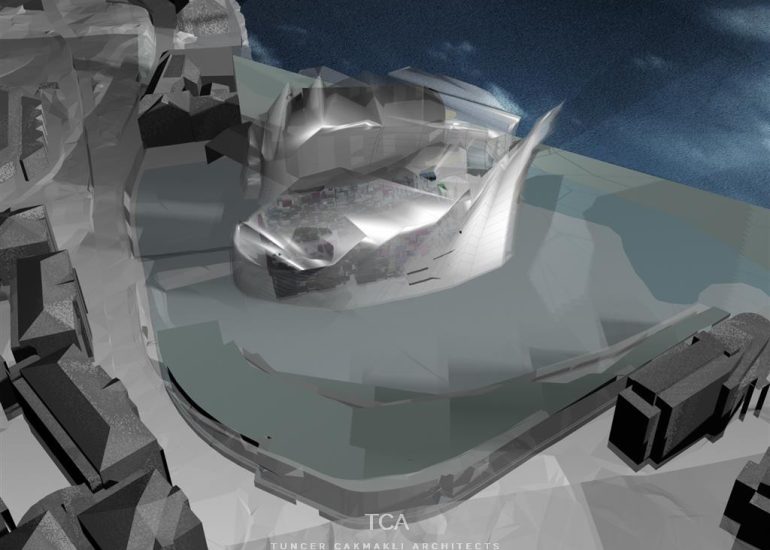
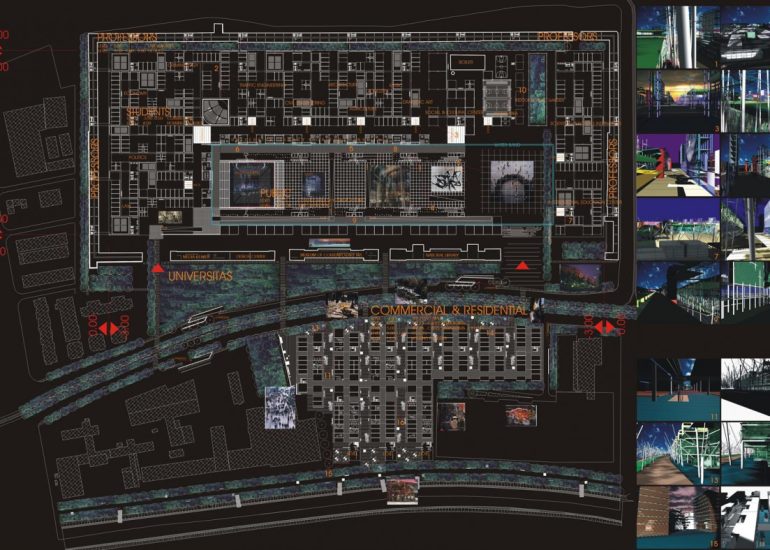
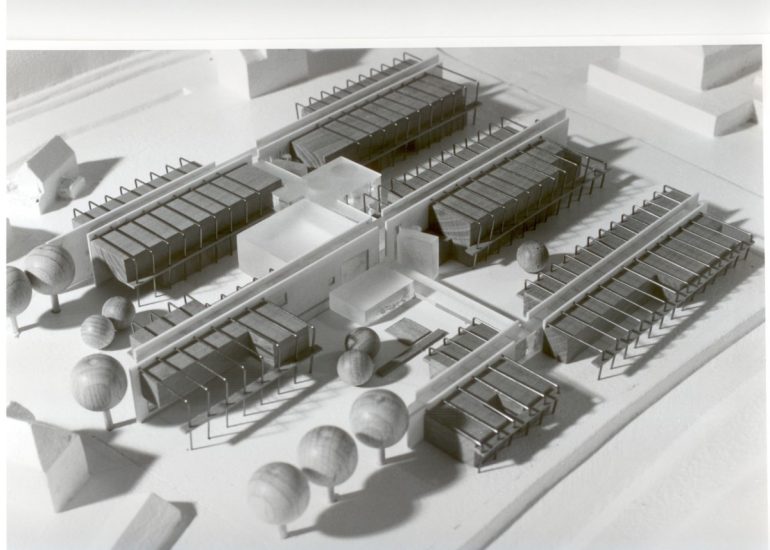
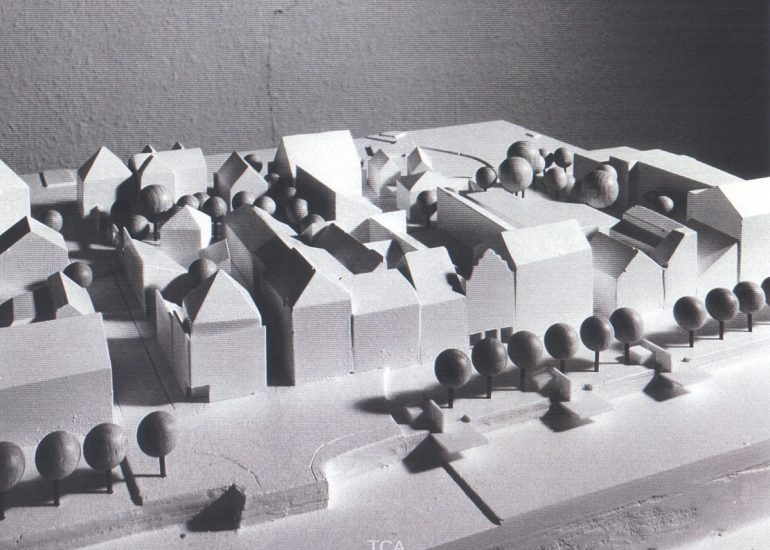
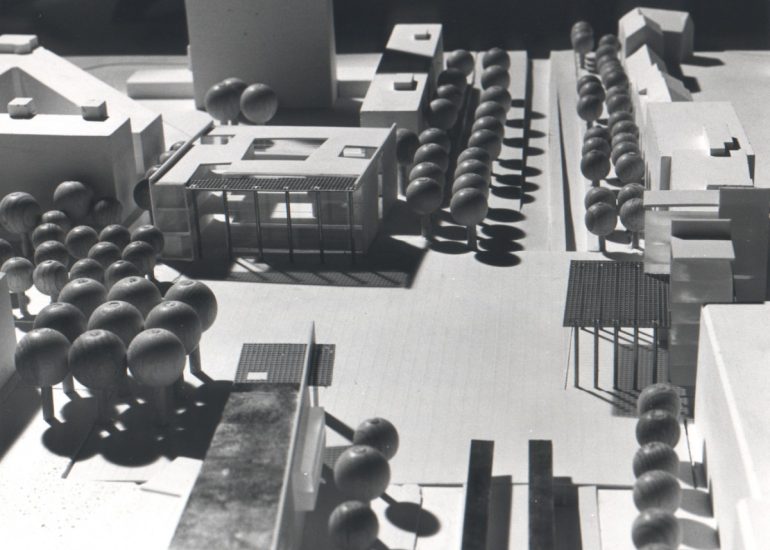
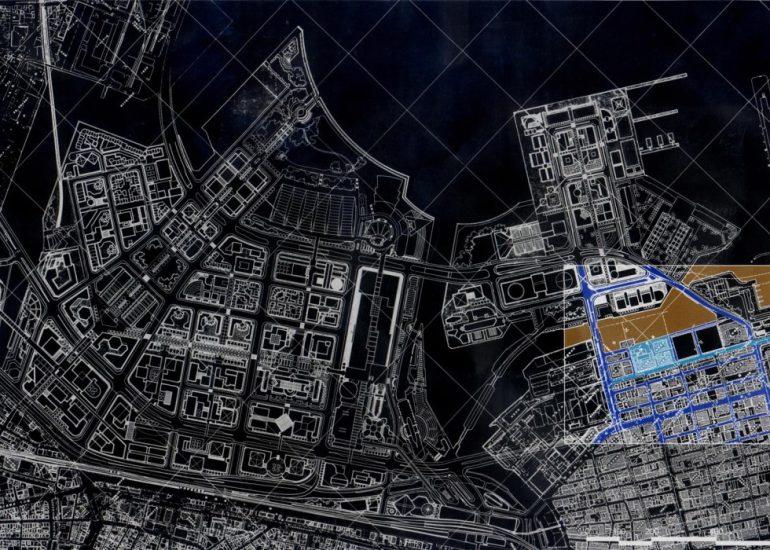
In the heart of Seoul, South Korea, a visionary urban design concept is taking shape—the Magok Waterfront.
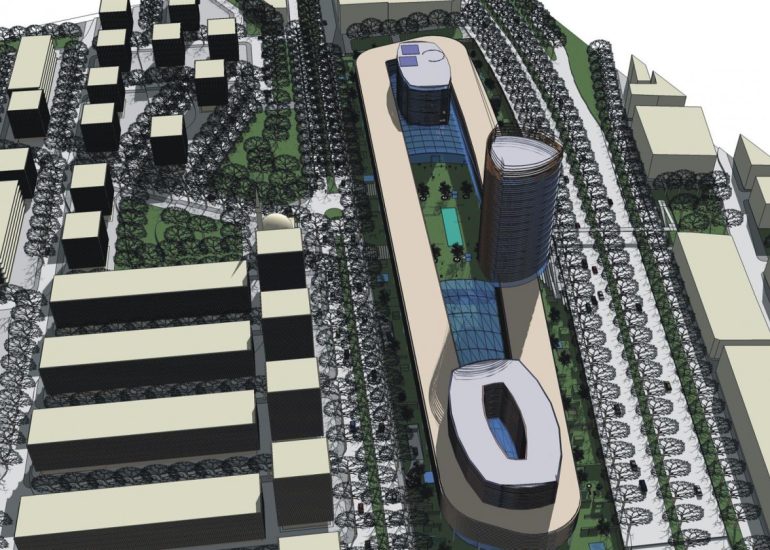
Propelled by the ambition to redefine the cityscape and address the high-density living demands of Seoul’s inhabitants, this architectural marvel envisions a landscape that seamlessly merges water, greenery, and innovative urban planning.
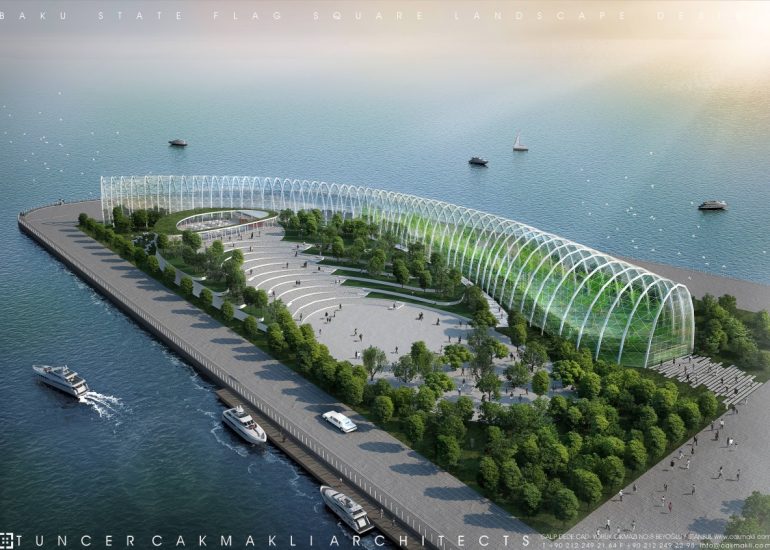
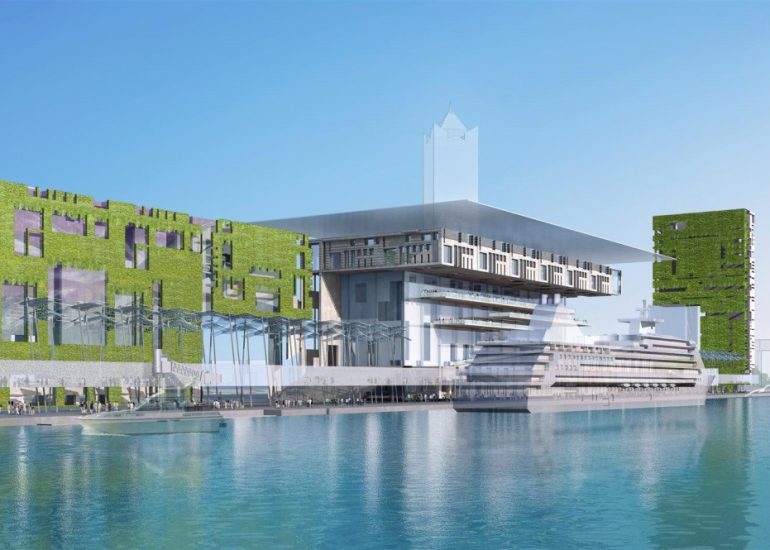
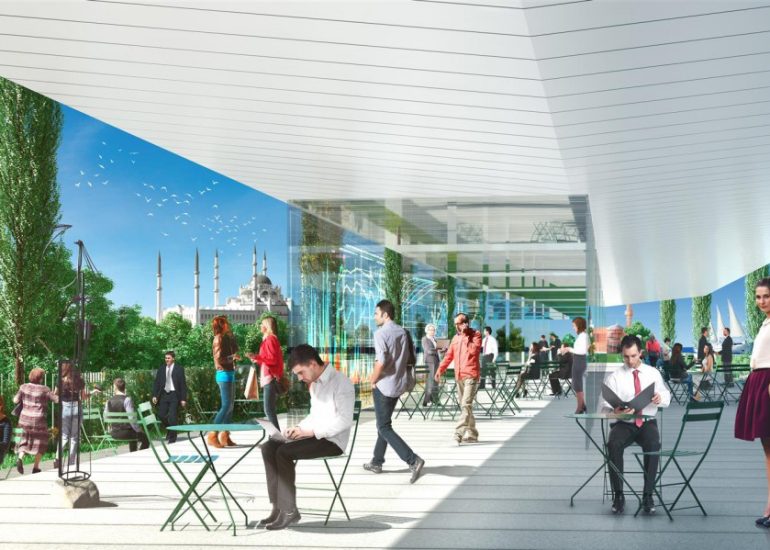
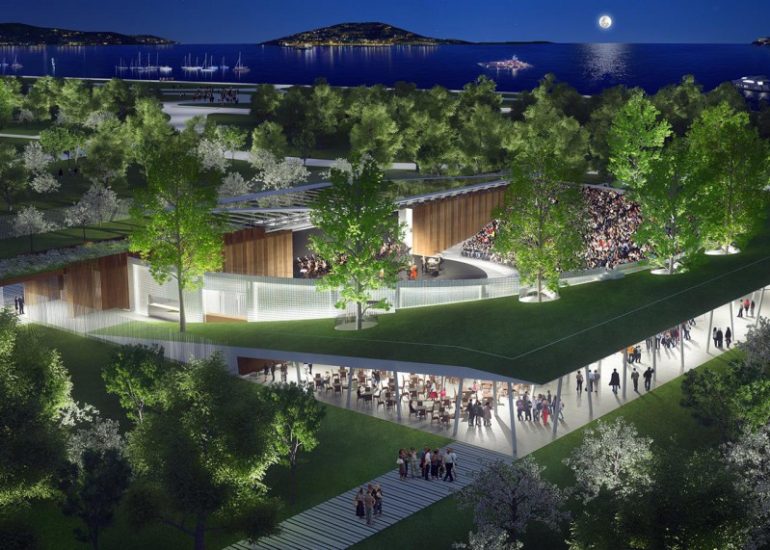
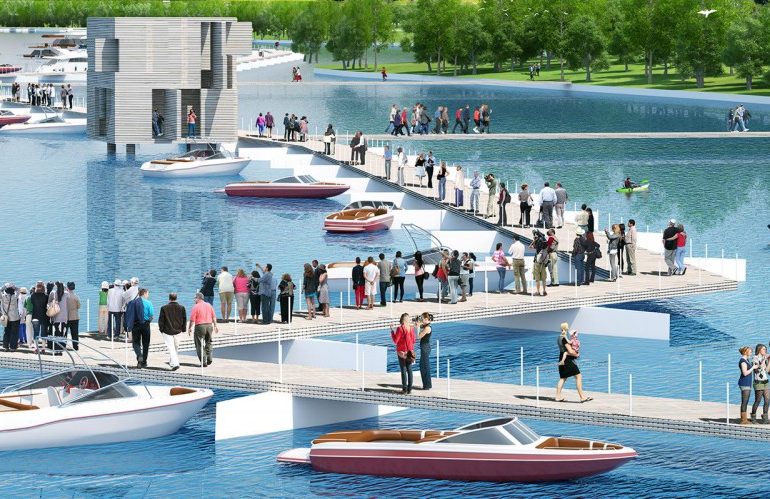
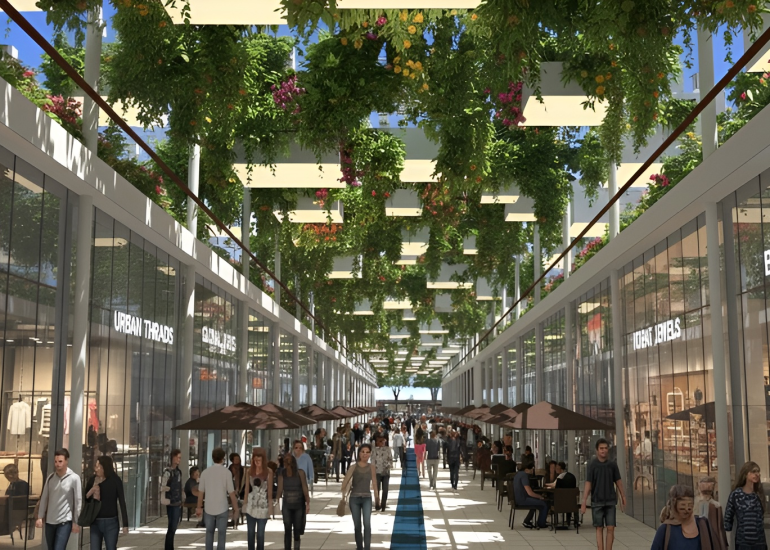
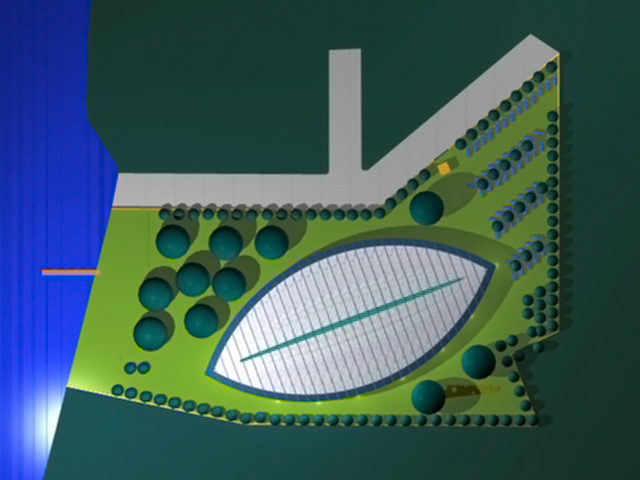
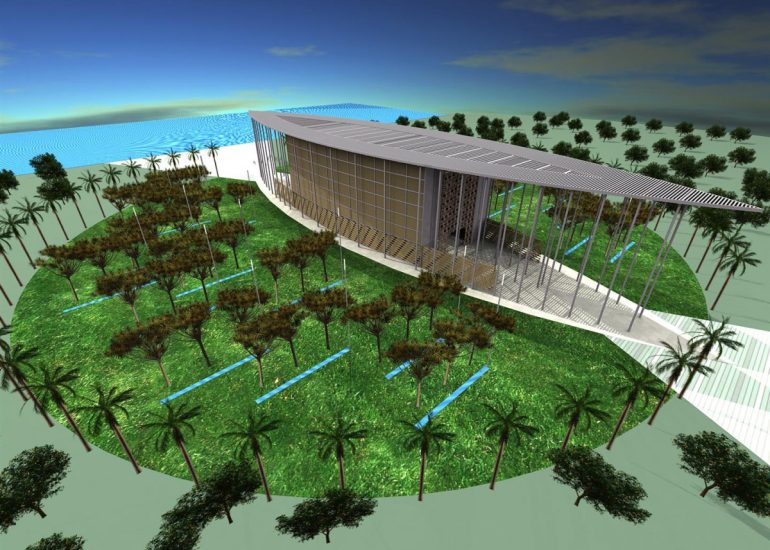
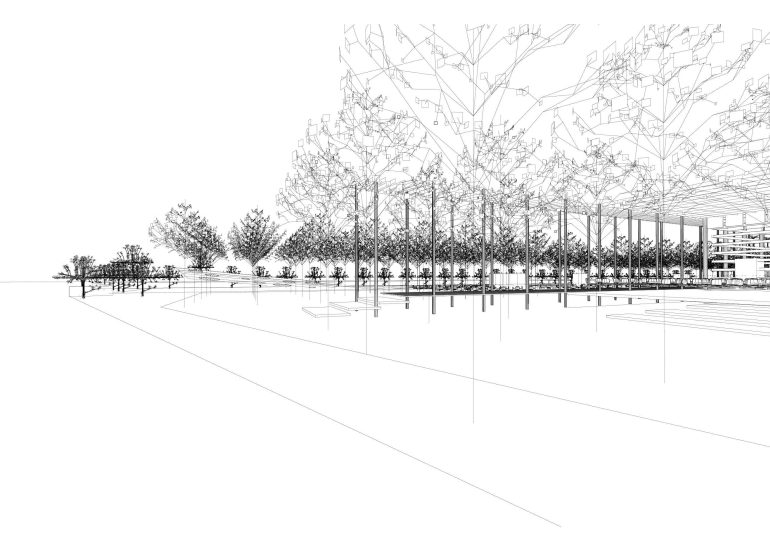
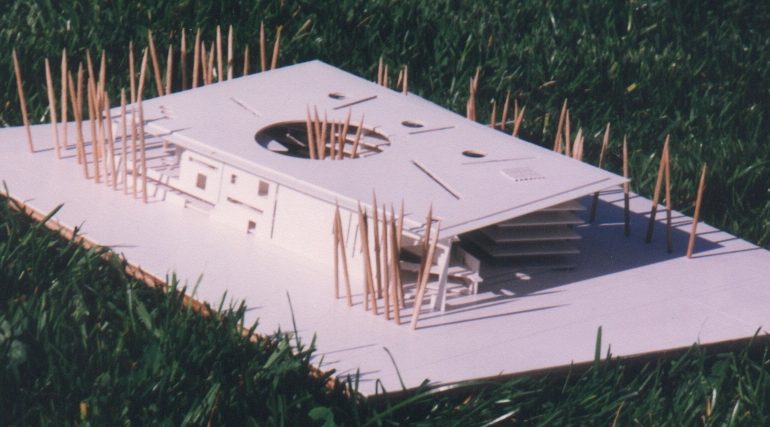
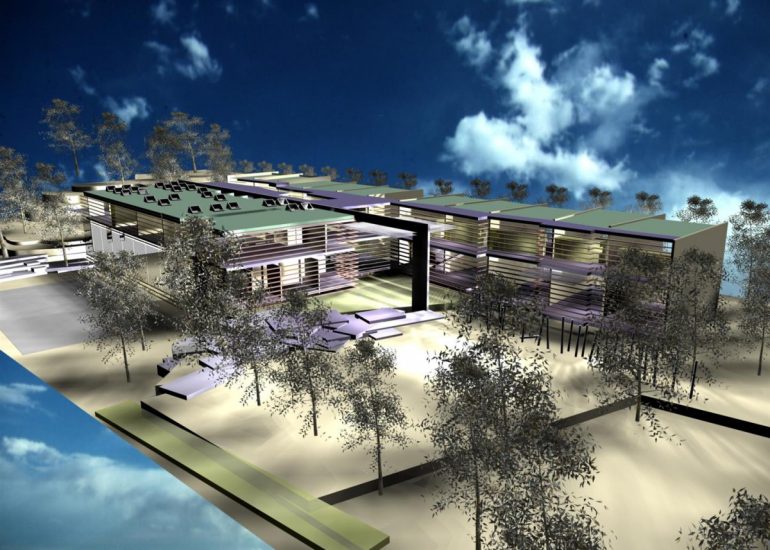
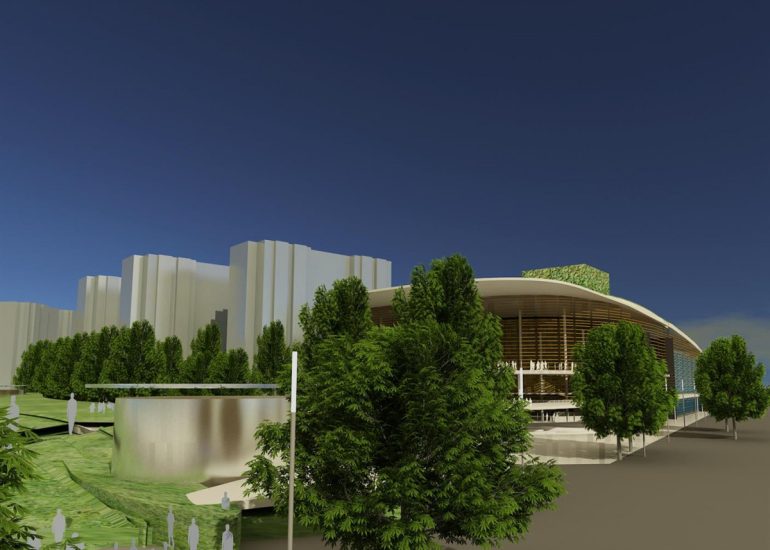
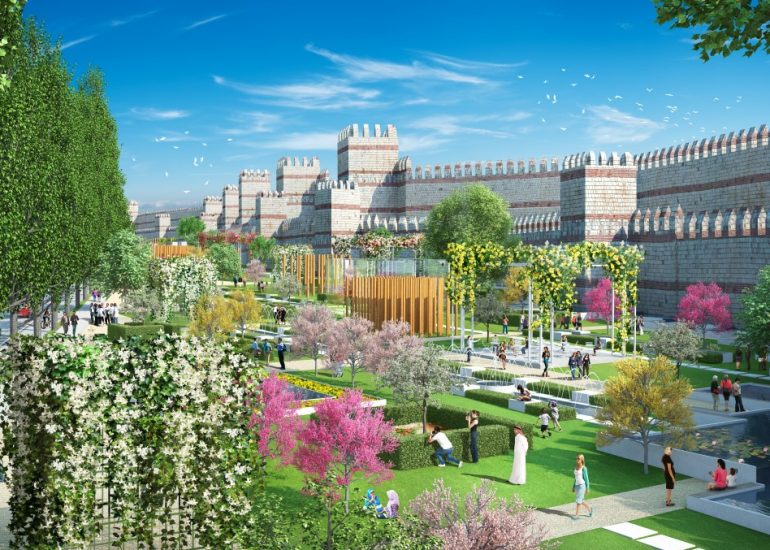
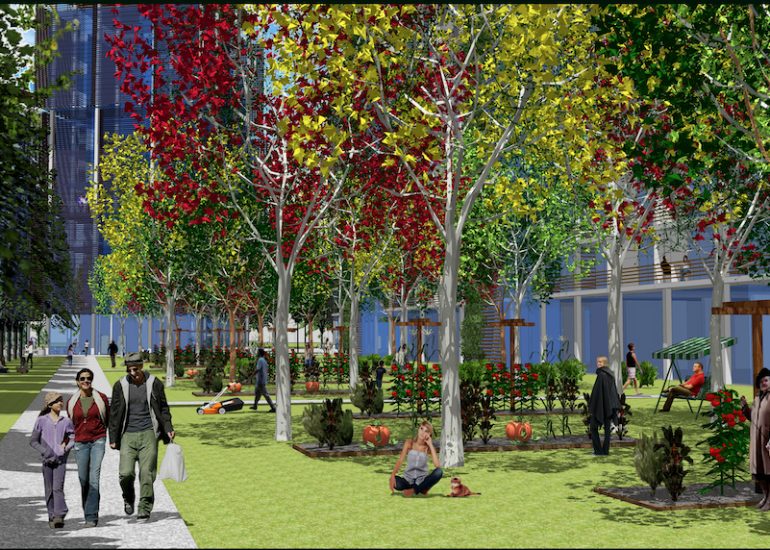
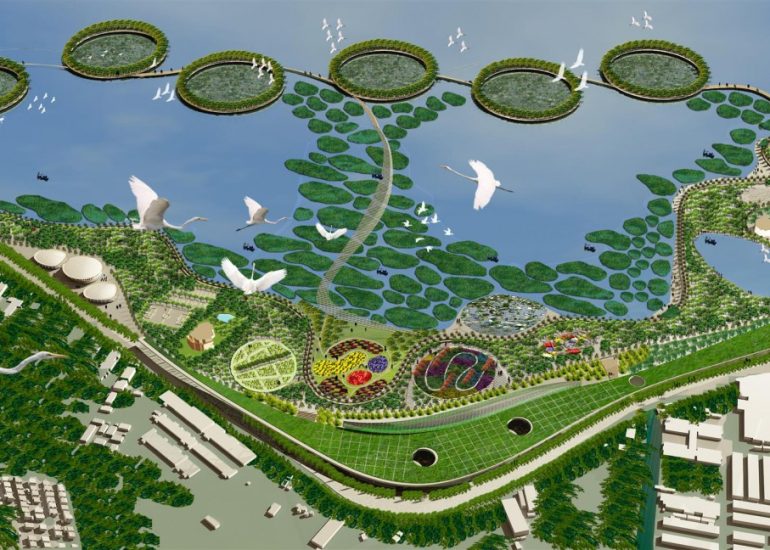
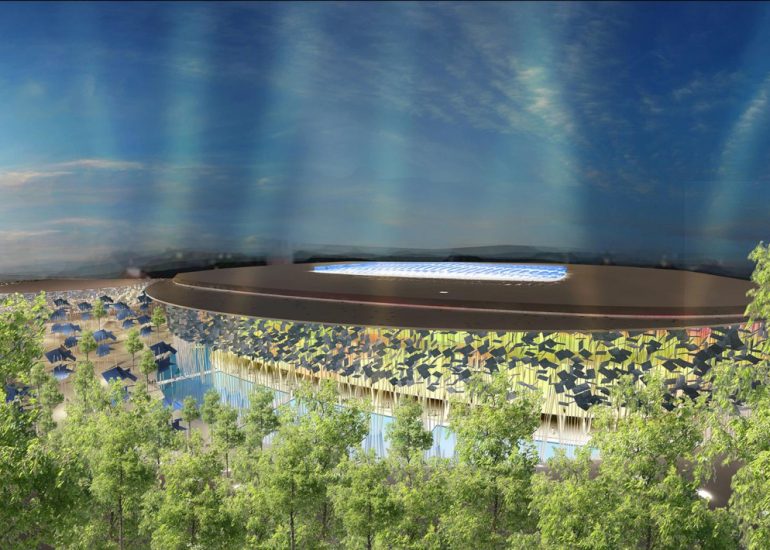
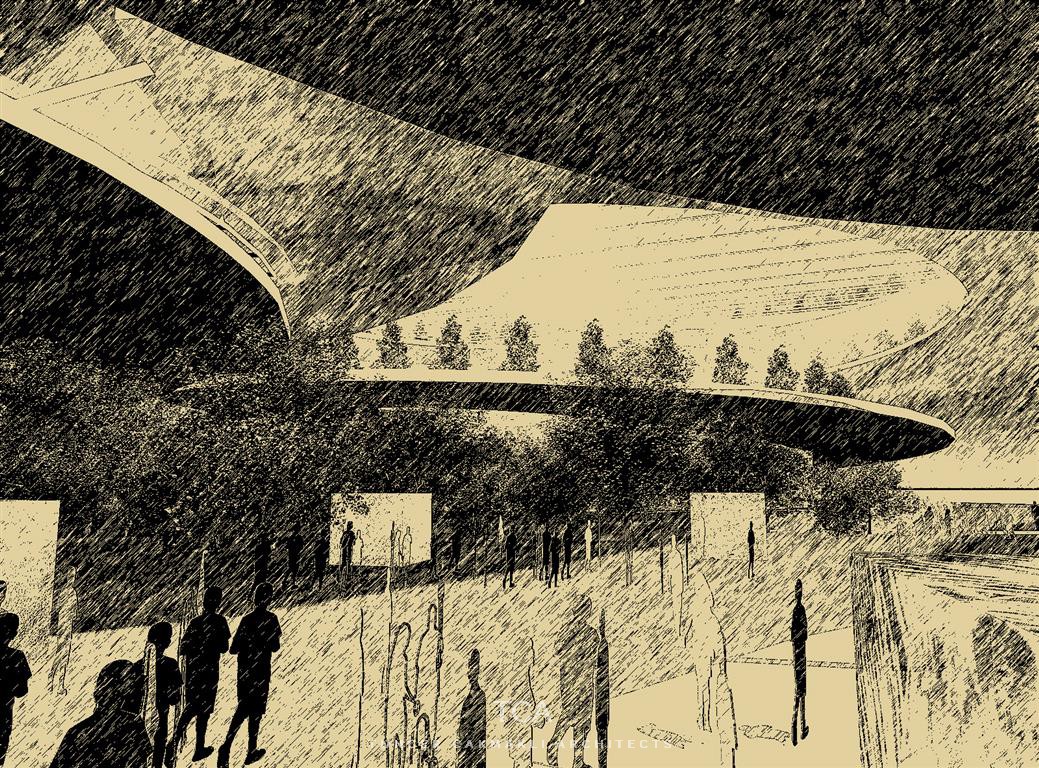
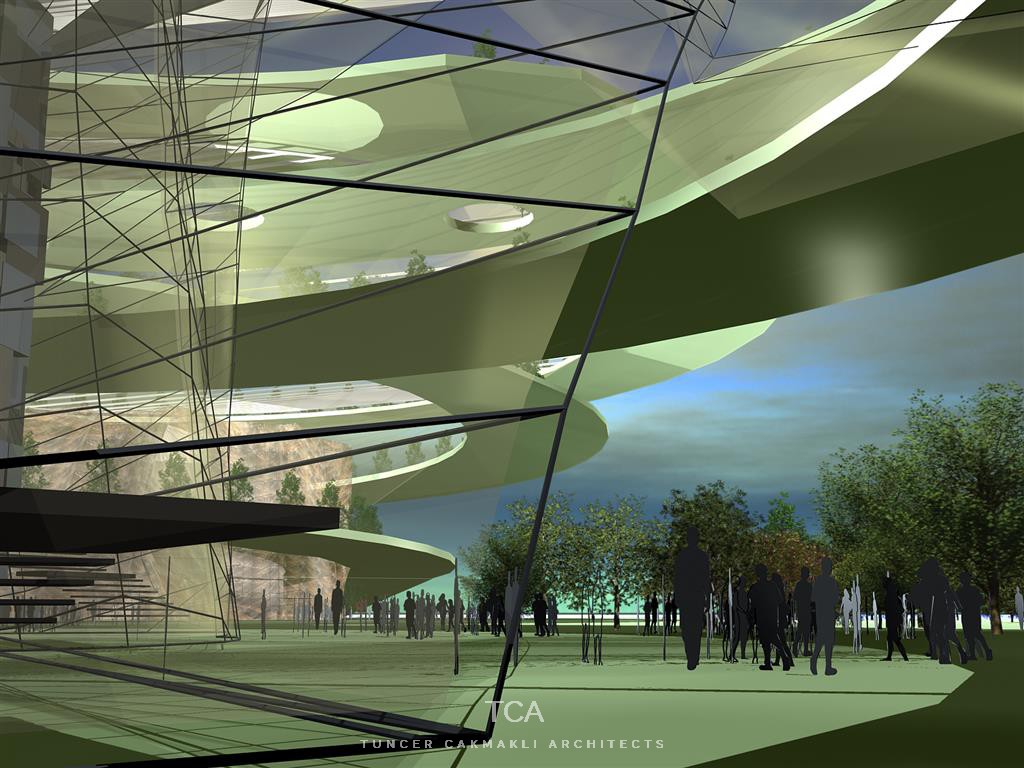
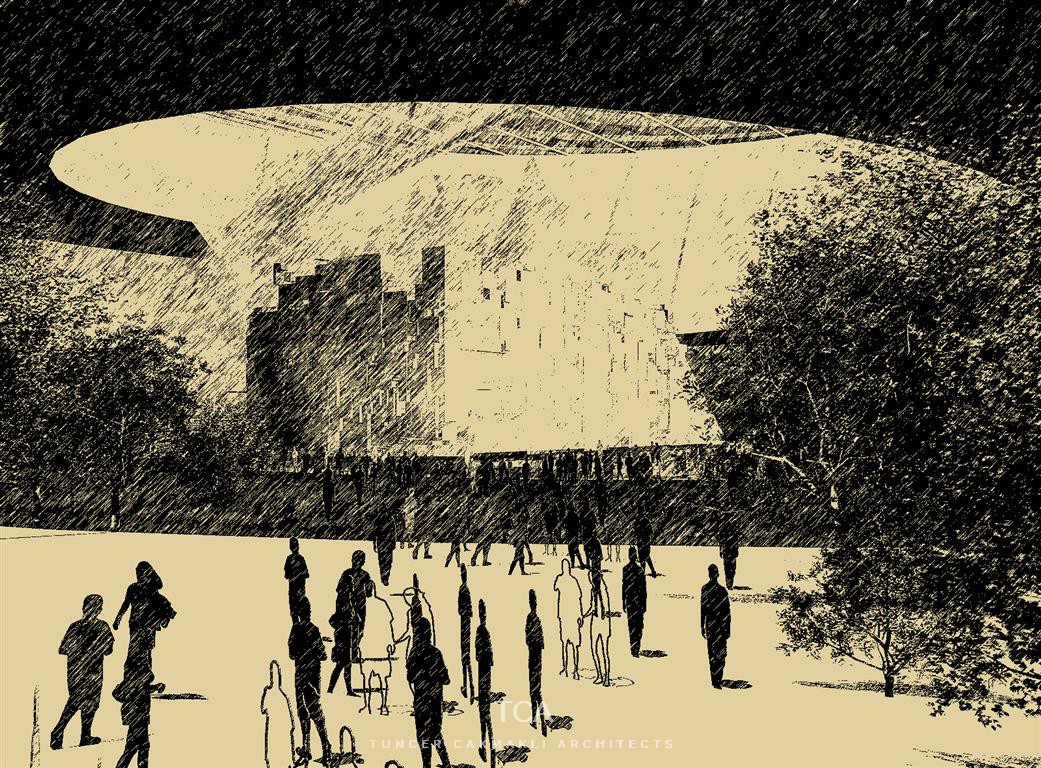
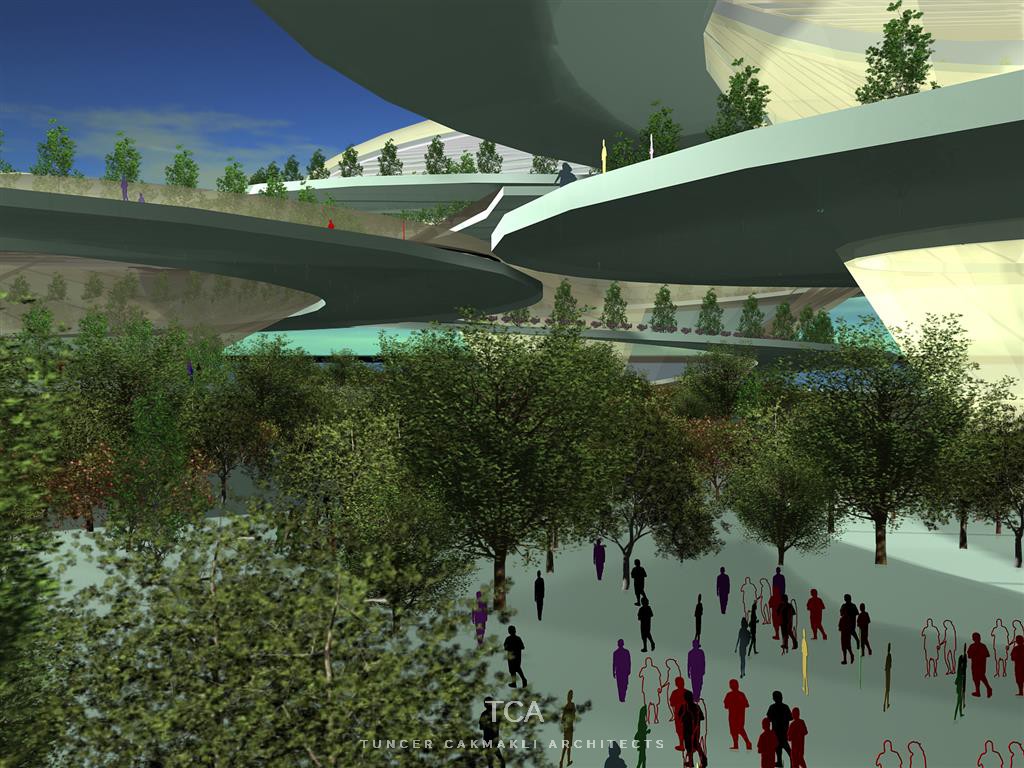
The Magok Waterfront aims to be an unprecedented oasis in the bustling metropolis, introducing an expansive network of water features, green parks, and vertical gardens to create a harmonious balance between urban living and nature on an unparalleled scale.
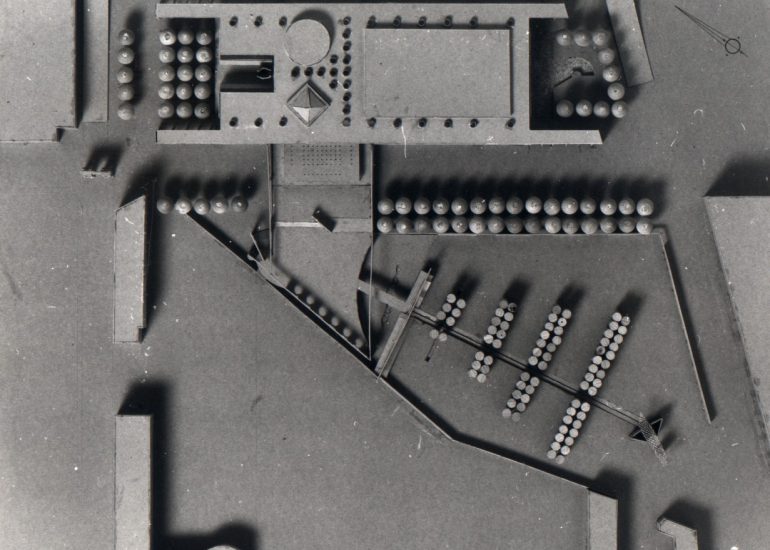
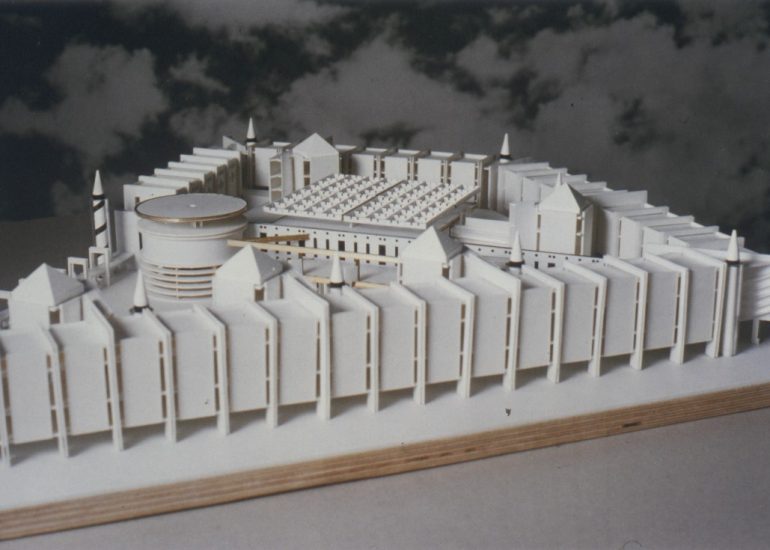
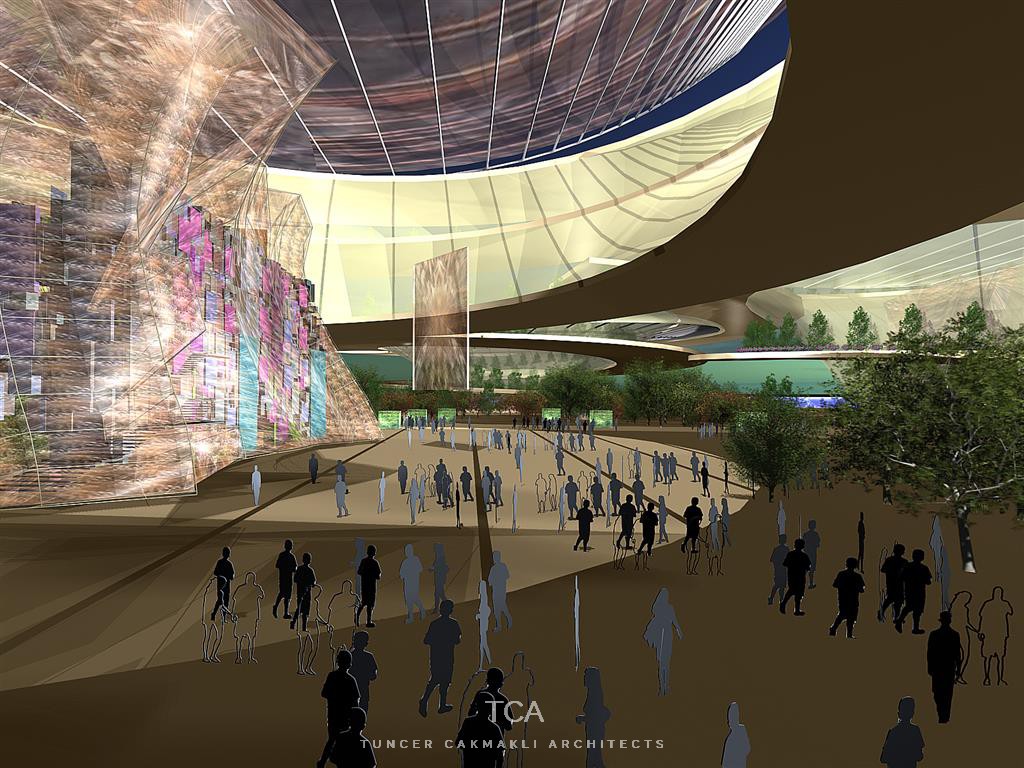
The driving force behind the Magok Waterfront project is to address the need for accessible and abundant green spaces within the high-density fabric of Seoul. The concept unfolds as an expansive urban landscape, where water and greenery converge to form a symbiotic relationship. Unlike anything seen before in the world, this revolutionary design boasts an equivalent area of water and green spaces, offering Seoul’s inhabitants an unprecedented blend of tranquility, recreation, and natural respite.
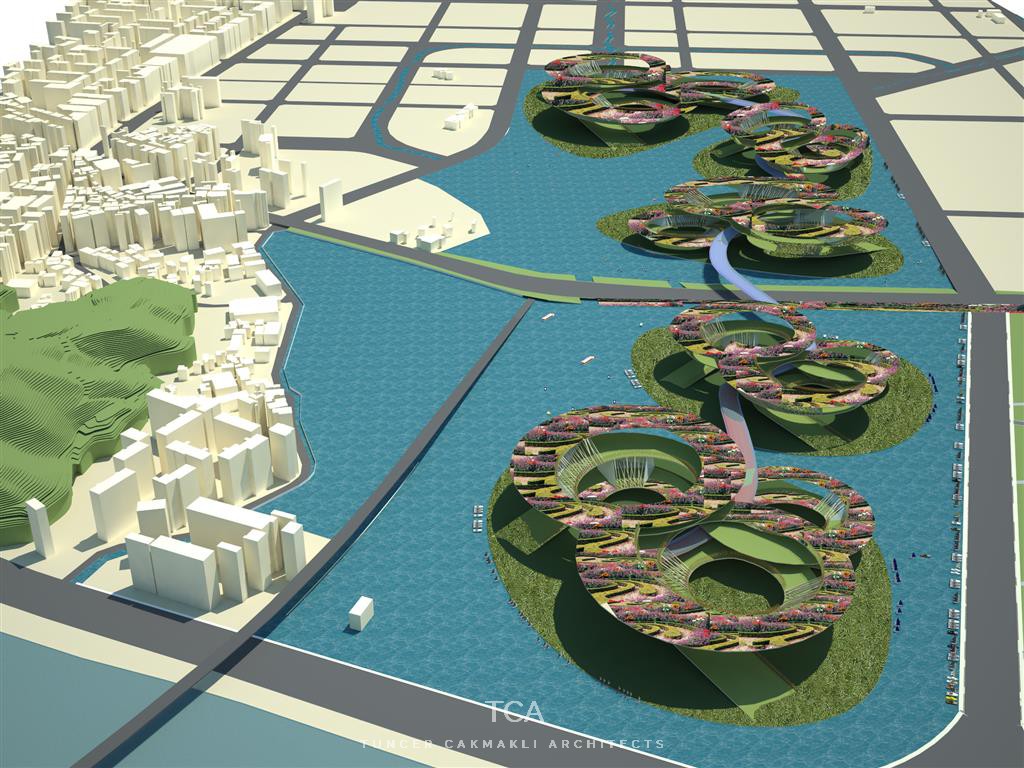
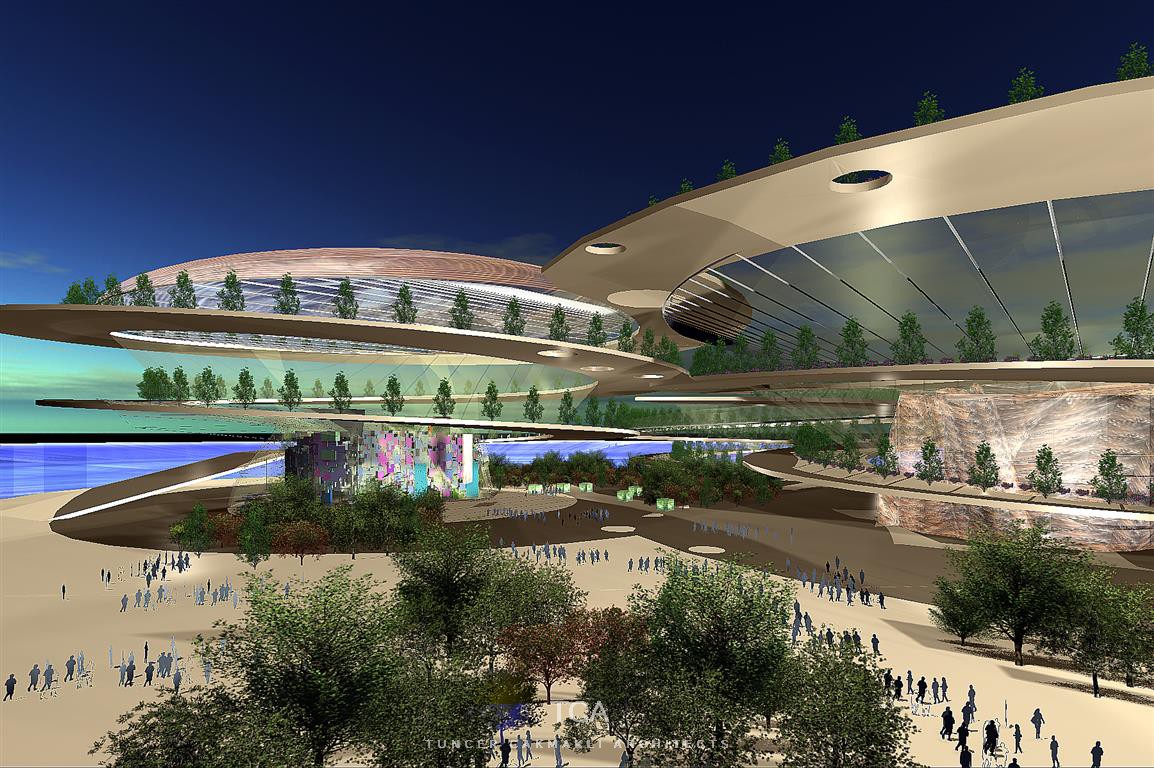
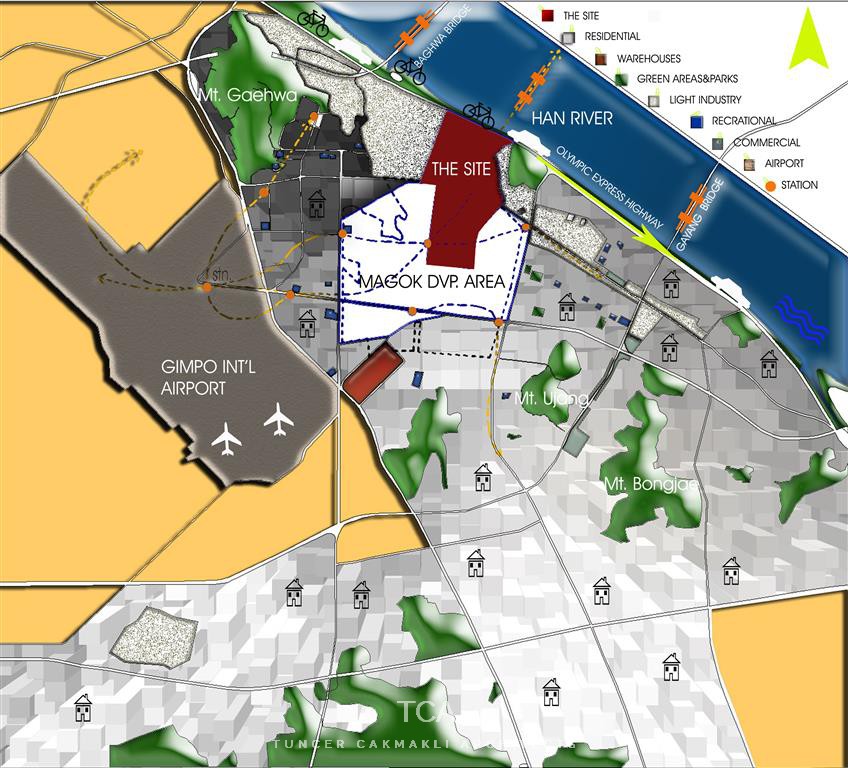
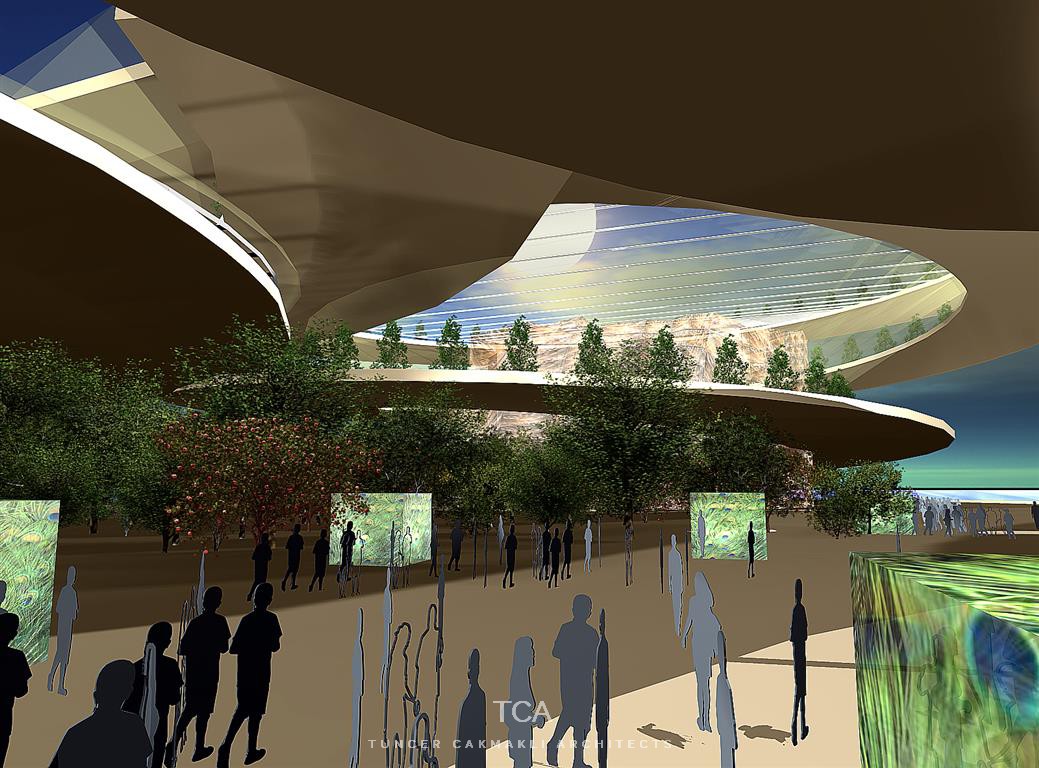
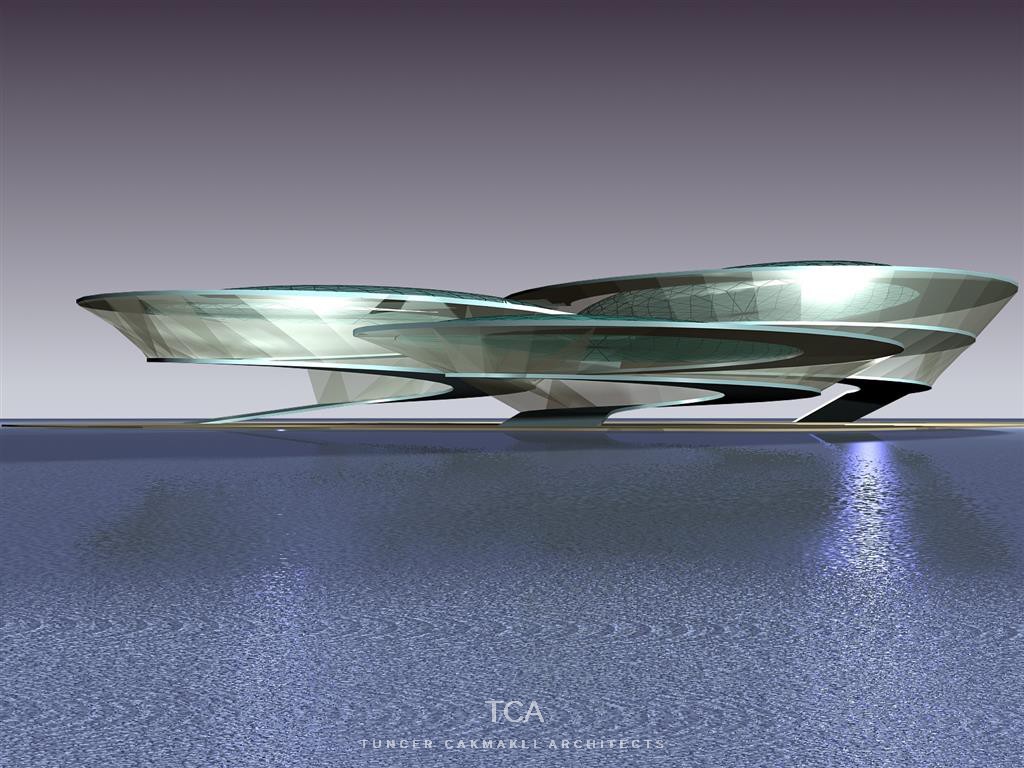
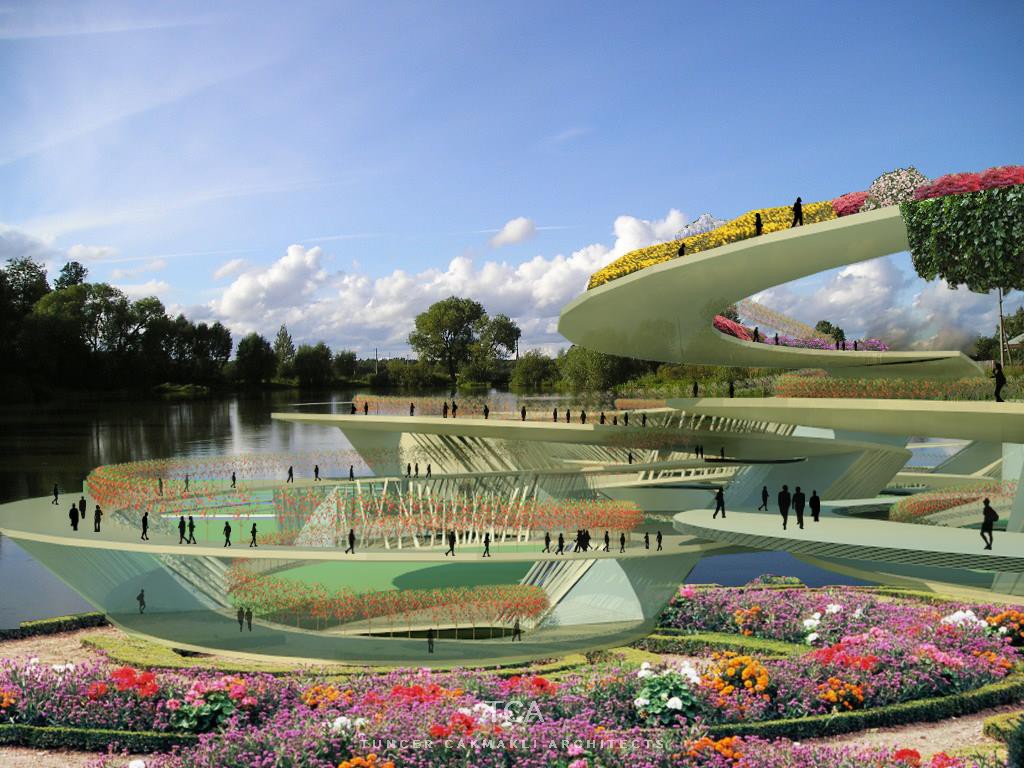
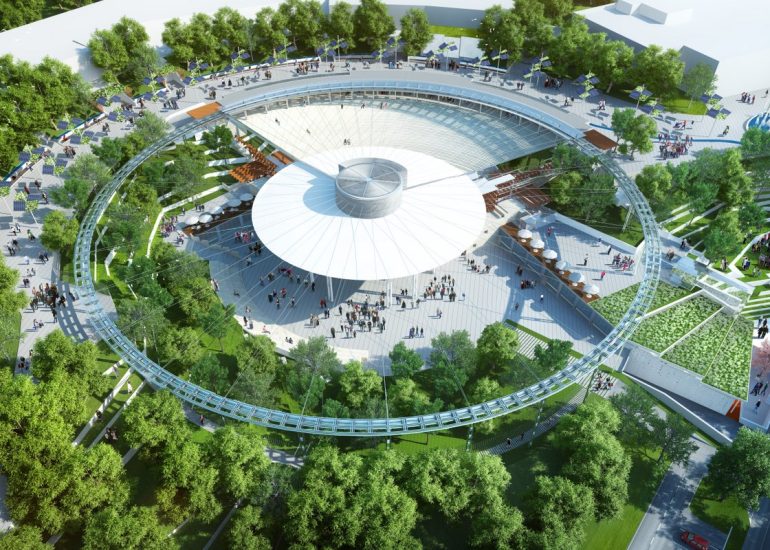
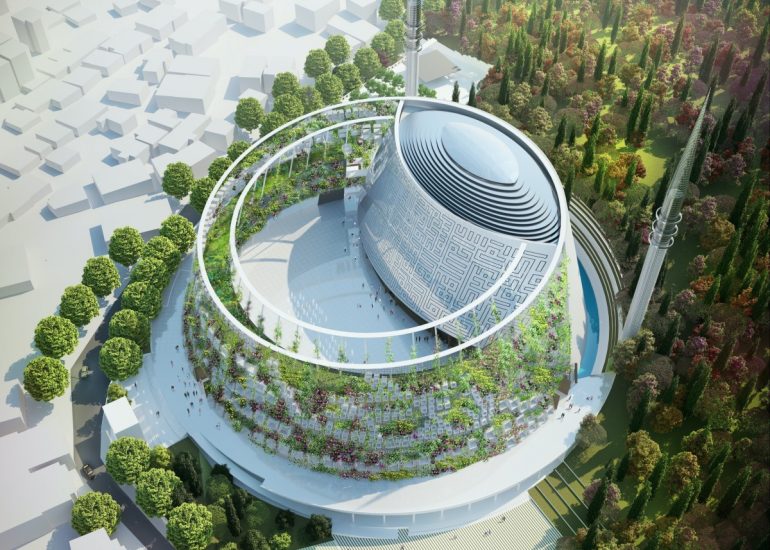
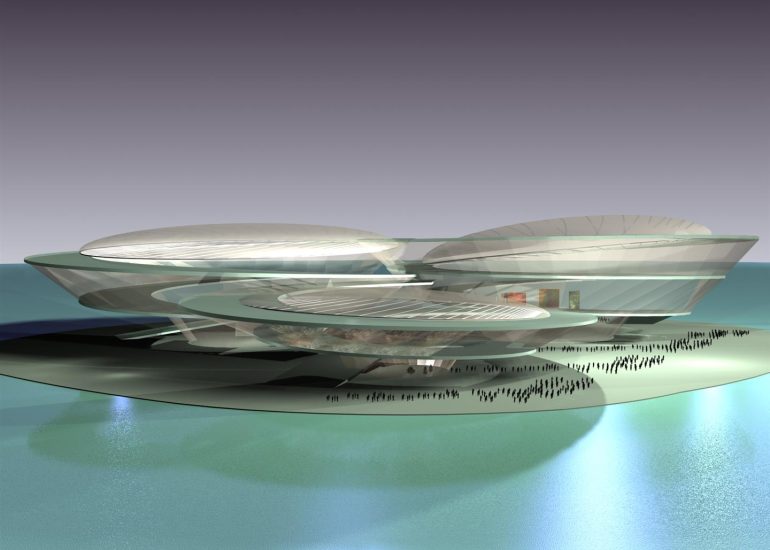
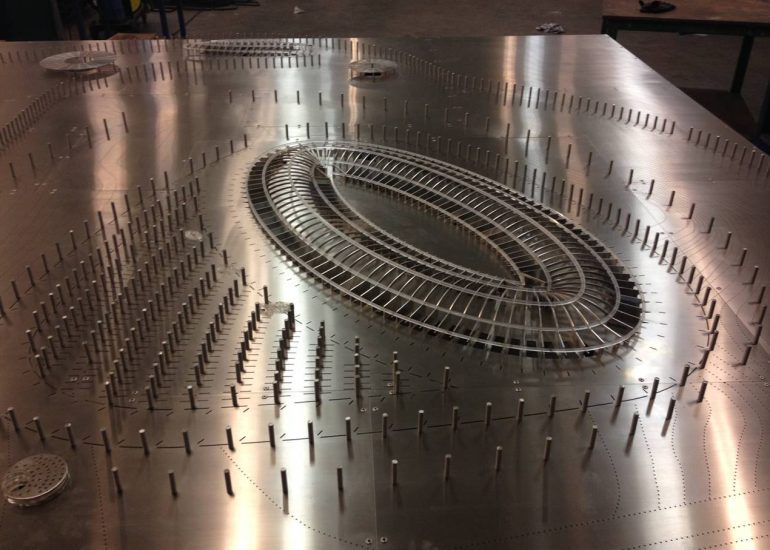
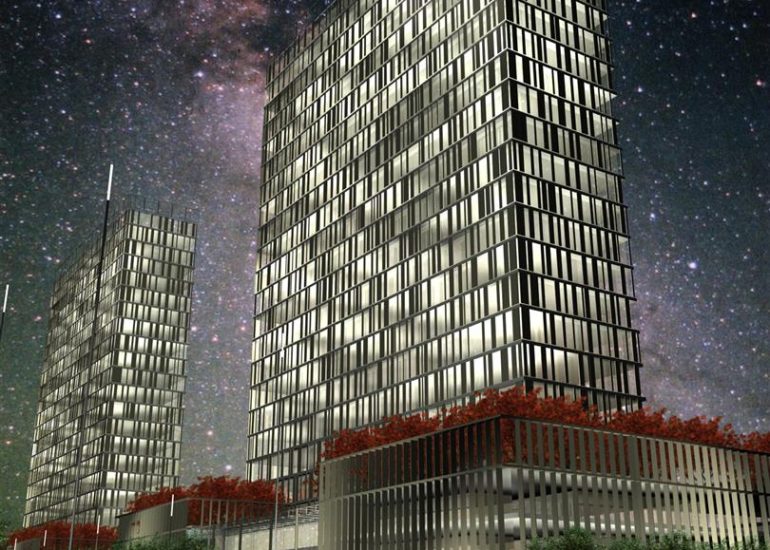
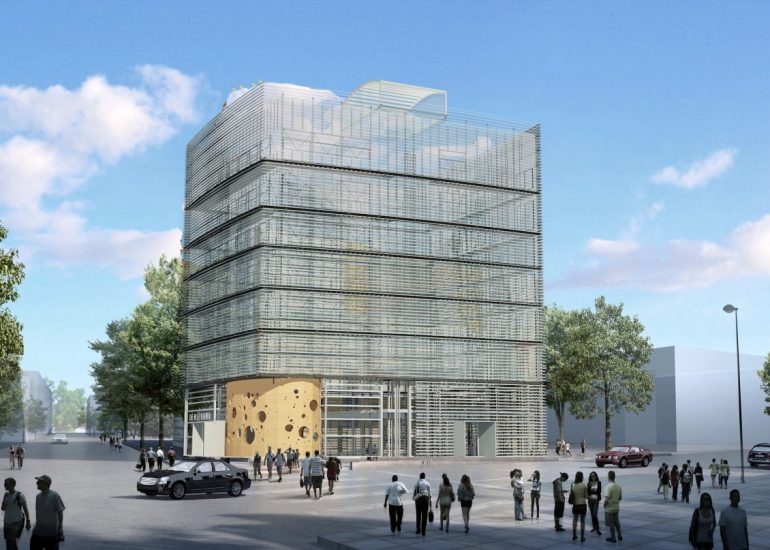
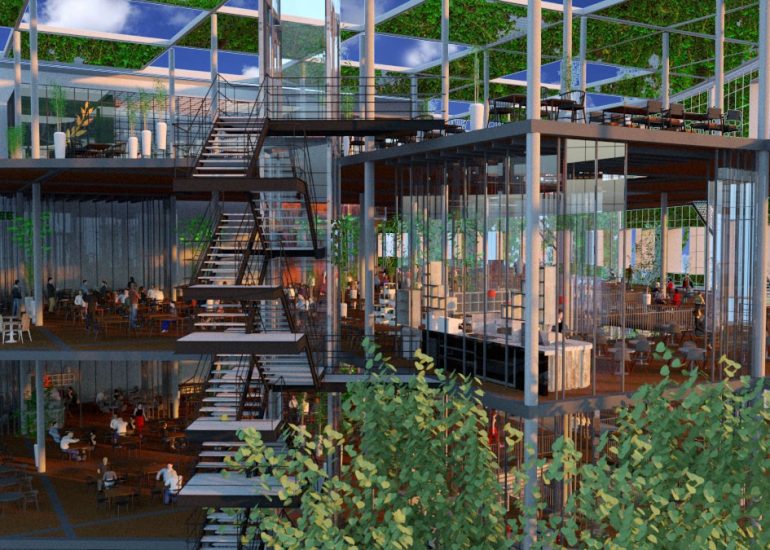
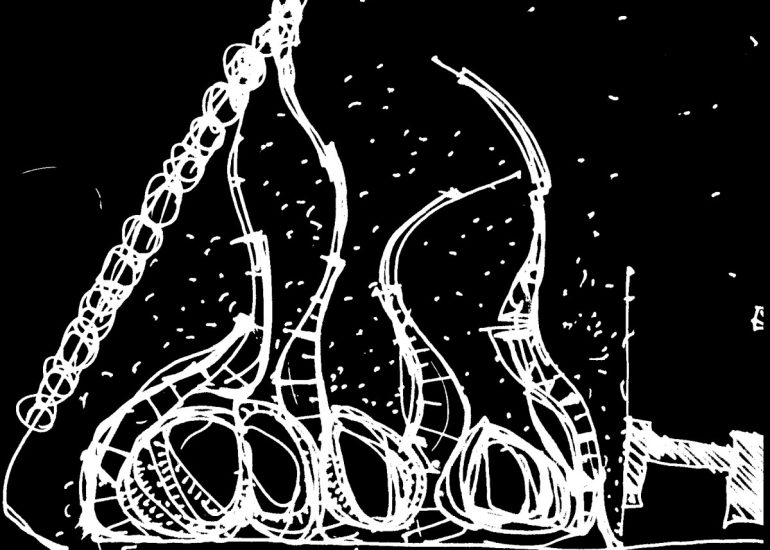
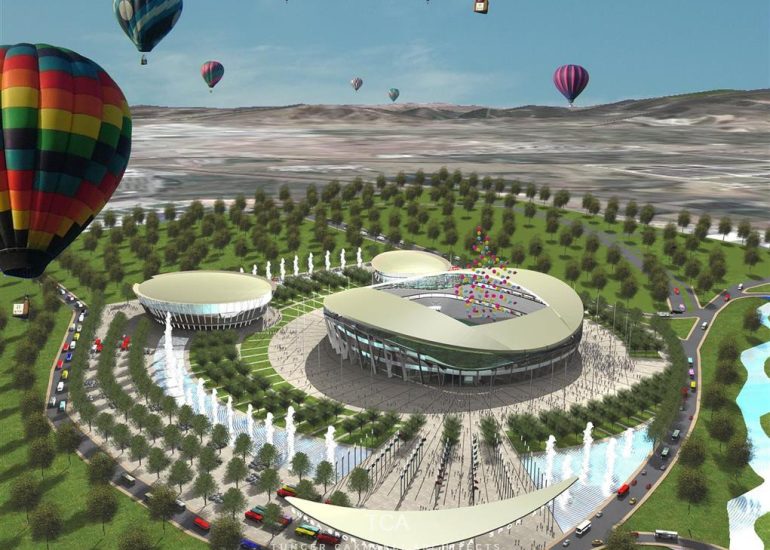
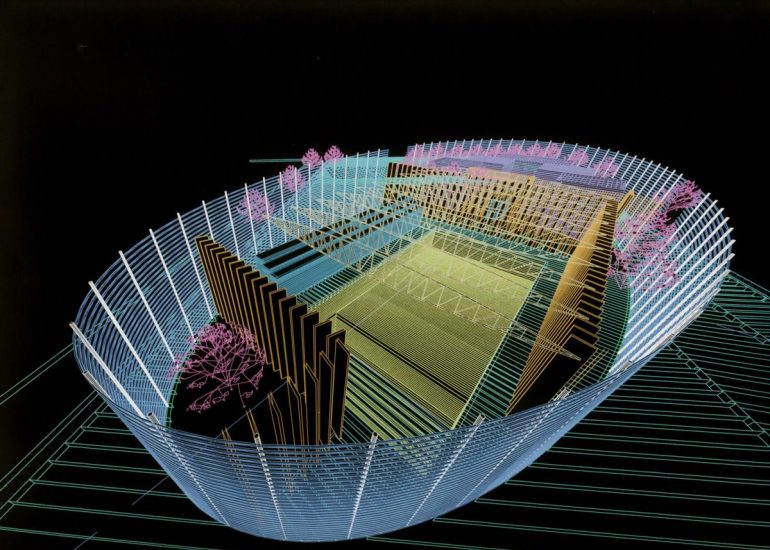
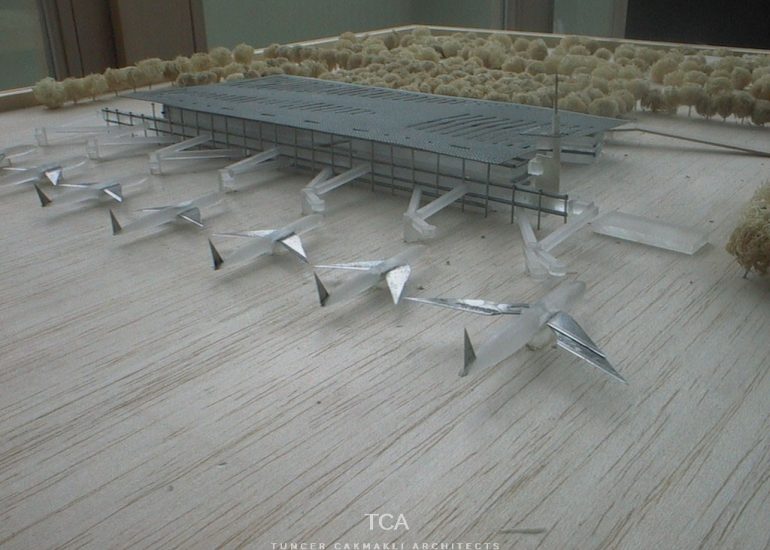
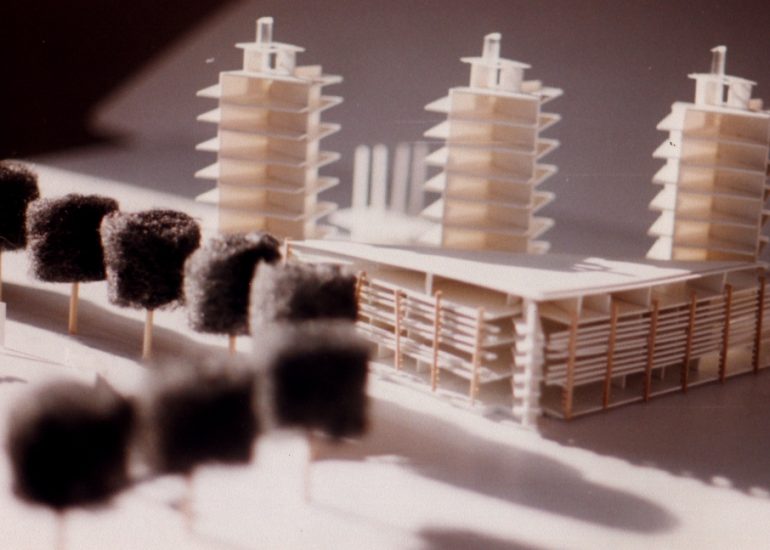
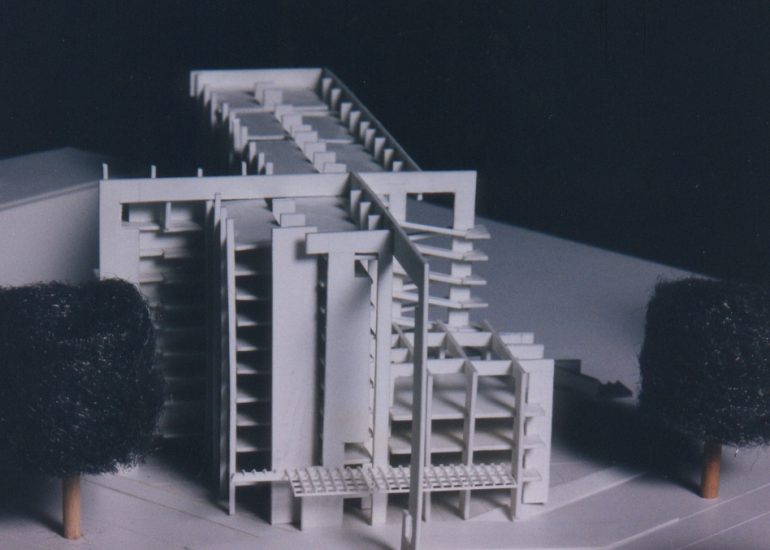
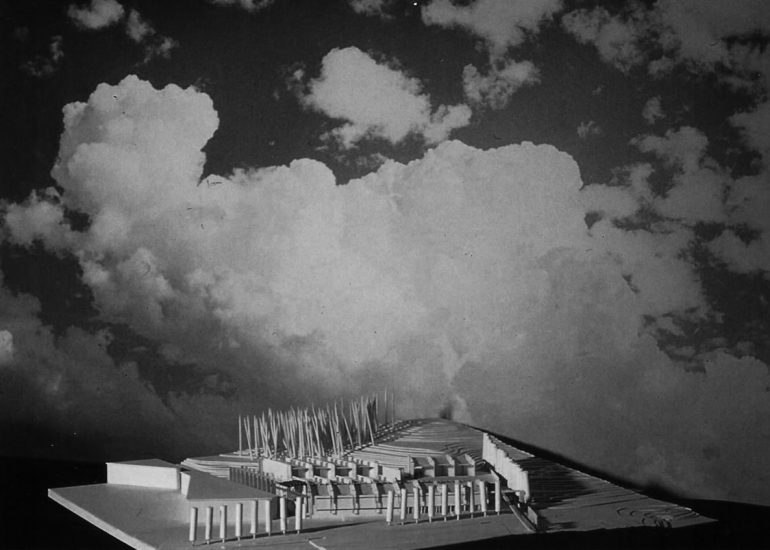
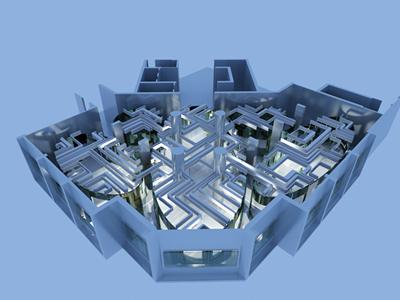
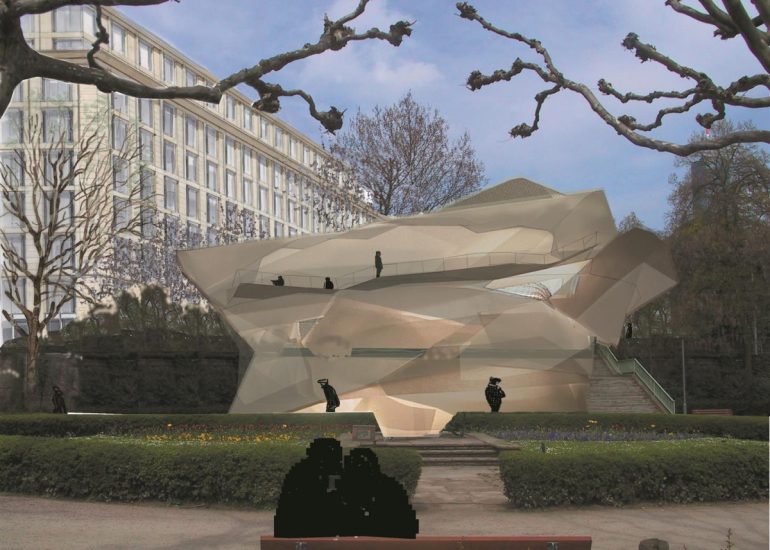
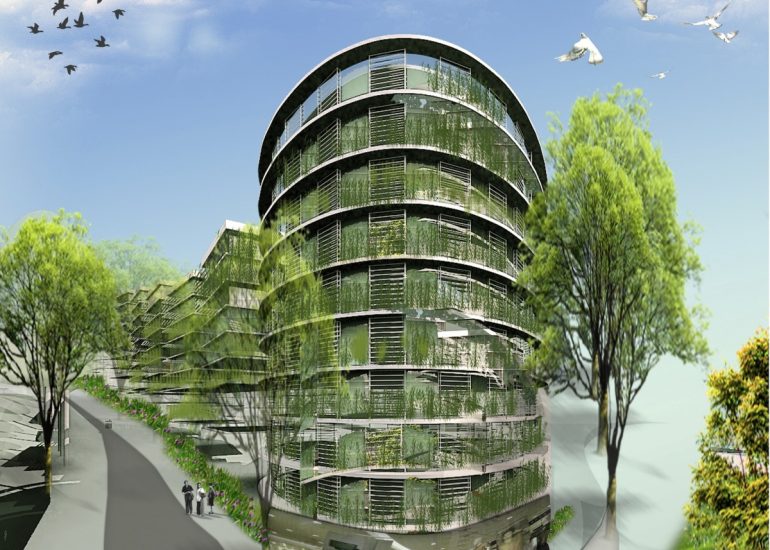
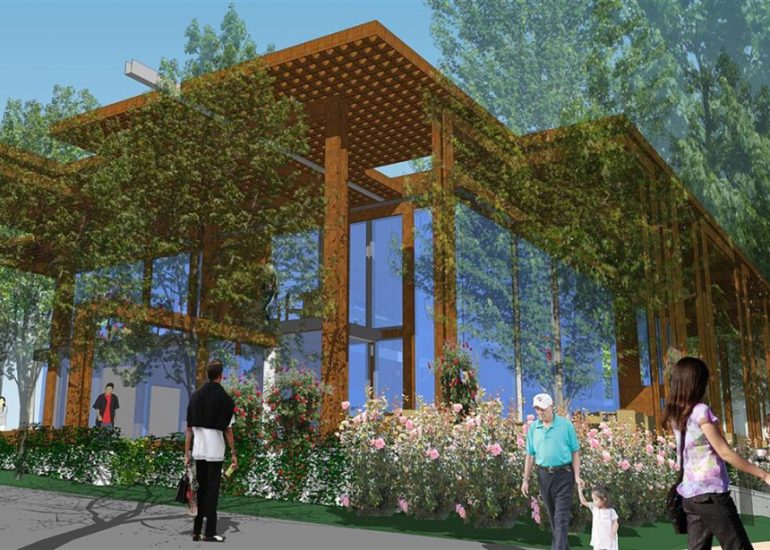
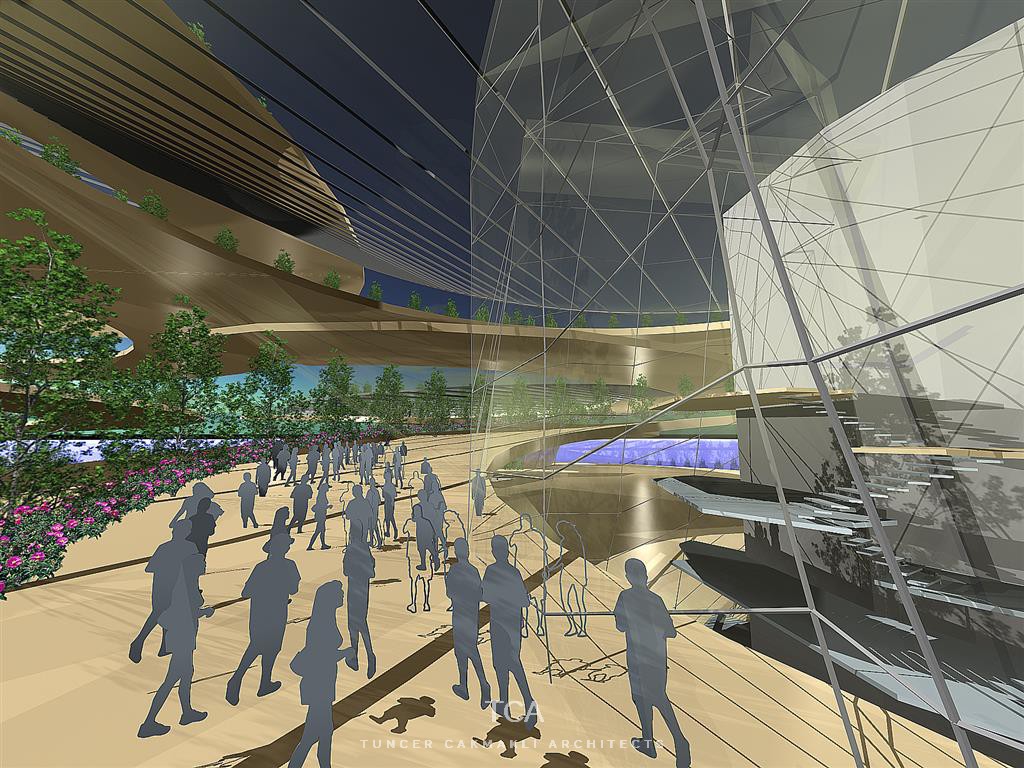
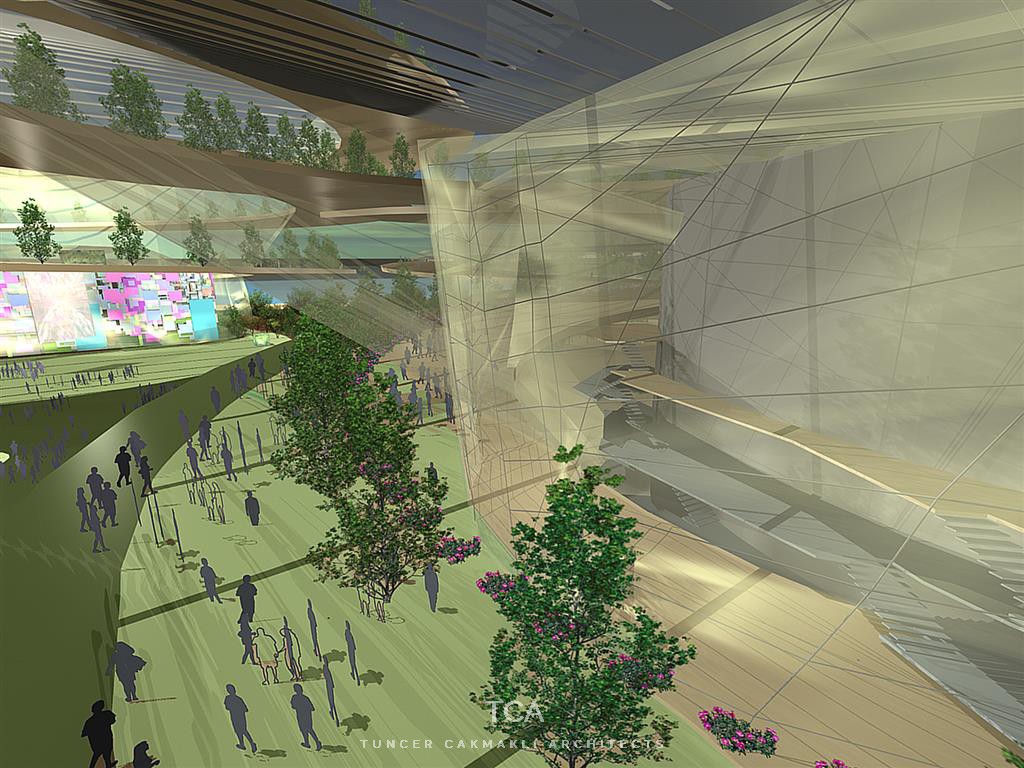
At the heart of the Magok Waterfront lies the ingenious integration of vertical gardens as islands within the water network. These elevated green spaces provide a captivating juxtaposition to the urban skyline, transforming the city into a vibrant tapestry of nature and architecture. Each island is a microcosm of biodiversity, creating a dynamic ecosystem that not only contributes to the city’s aesthetics but also fosters environmental sustainability.
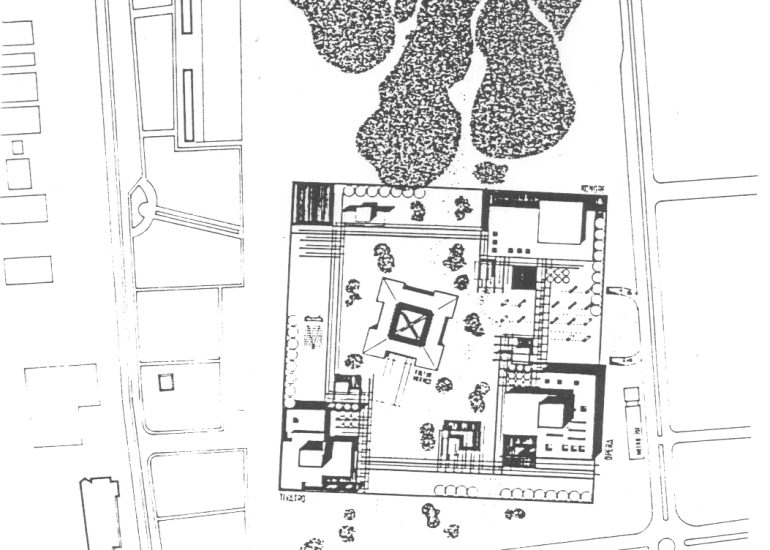
The Magok Waterfront is more than a mere landscape design; it is a testament to the innovation and creativity of urban planning. The inclusion of sports and entertainment facilities within this vast urban oasis adds a layer of dynamism to the project. Residents and visitors alike can seamlessly transition from the serenity of green parks to the excitement of sports and entertainment, all within the embrace of nature.
This groundbreaking project stands as a beacon of sustainable urban living, redefining the very essence of what a cityscape can be. Seoul’s Magok Waterfront not only addresses the immediate need for green spaces but sets a global standard for the integration of nature within urban environments. It demonstrates that even in the most densely populated cities, a harmonious coexistence between concrete jungles and lush green landscapes is not only possible but transformative.
In conclusion, the Magok Waterfront in Seoul emerges as a visionary urban design, a testament to South Korea’s commitment to sustainable living and innovative urban planning. As waterways weave through green parks and vertical gardens rise against the skyline, Seoul’s inhabitants are offered a transformative experience—a city where nature and urban life converge in a harmonious dance, setting a new benchmark for the global urban landscape.
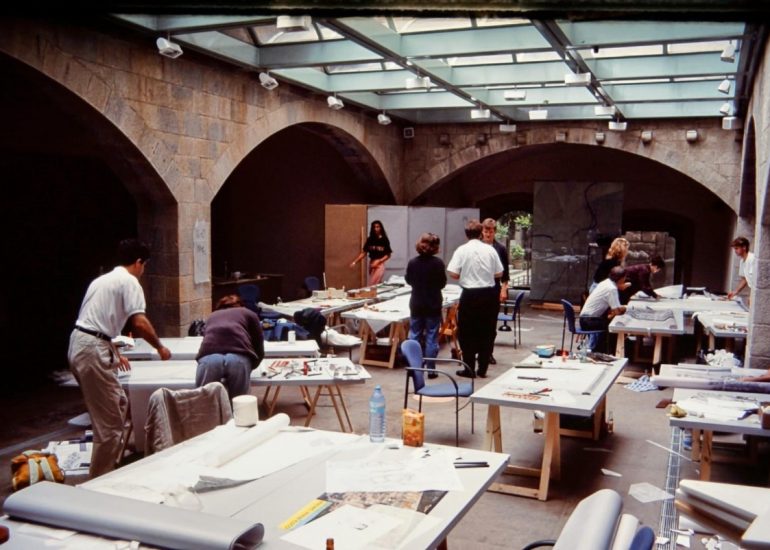
A competition to serve Seul citizens for resting, walking and entertainment by faciliating from the natural richness of Seoul city.
Budget:970.000.000
Location:Seoul,Korea
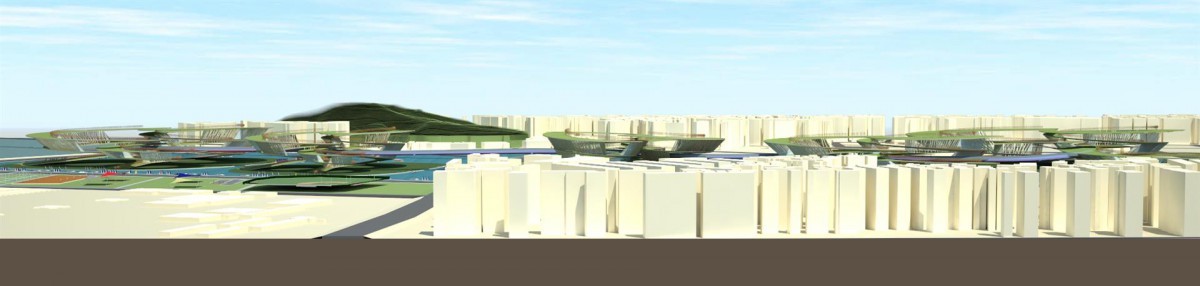
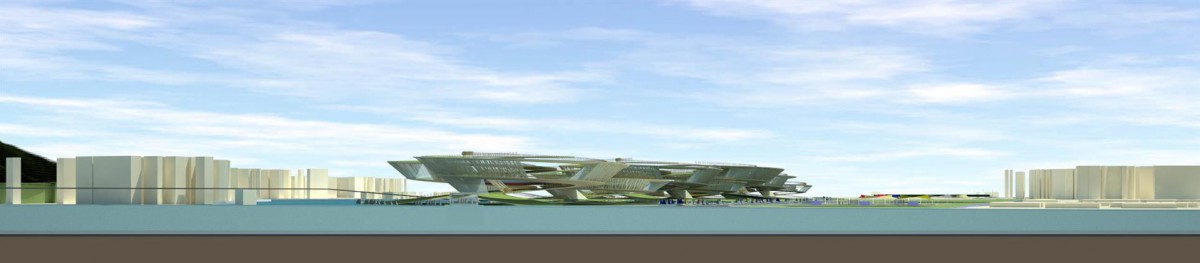
A Narrative on the Magok Waterfront Project
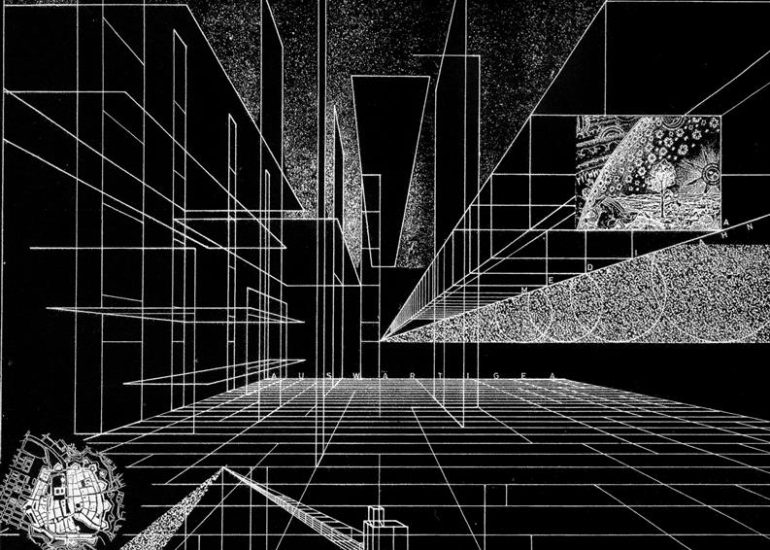
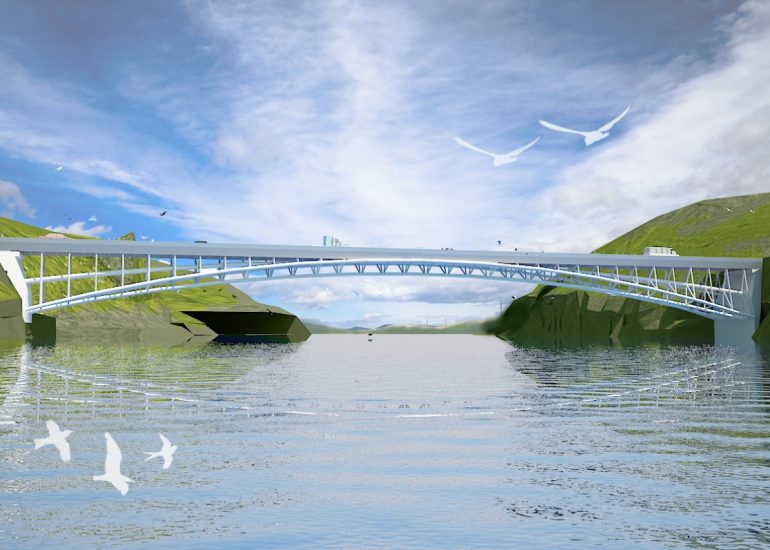
In an era where cities must not only be built but interpreted, TCA’s design for Seoul is not merely an architectural proposal—it is a palimpsest, a spatial narrative composed of layered meanings. The Magok Waterfront Project transcends material composition; it is a lexical system where every architectural gesture becomes a sign, and the urban realm becomes a legible text.
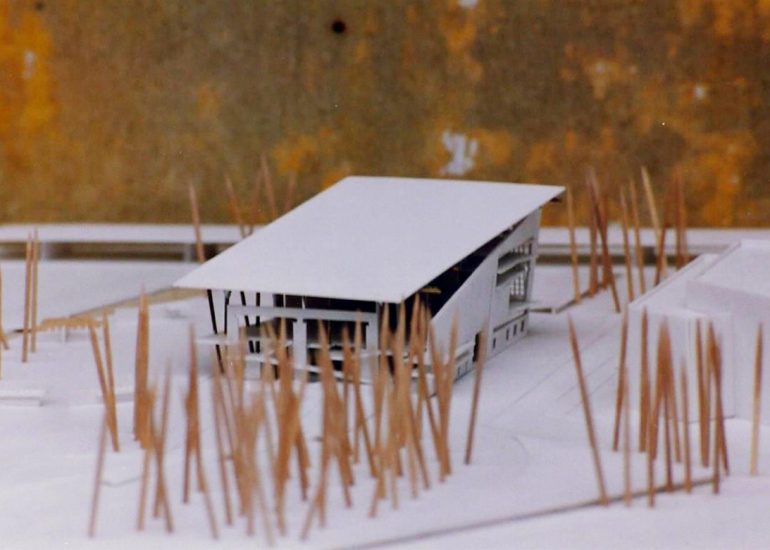
The artificial lake—fed by the symbolic echo of the Han River—is more than a water feature. It is a semantic mirror reflecting the sky, the city, and its inhabitants all at once. Within it, islands rise—vertical gardens shaped in spiraling ascension—evoking intertextual allusions: the Hanging Gardens of Babylon, the Edenic ideal, the Arcadian dream embedded in the urban condition.
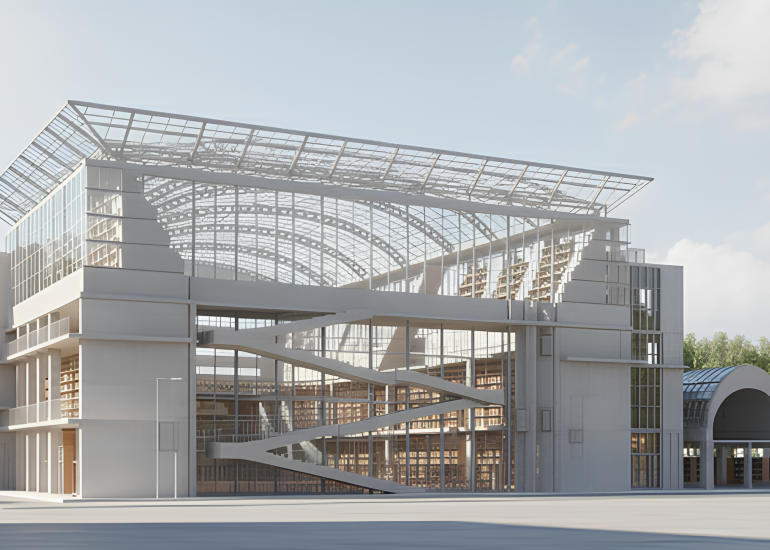
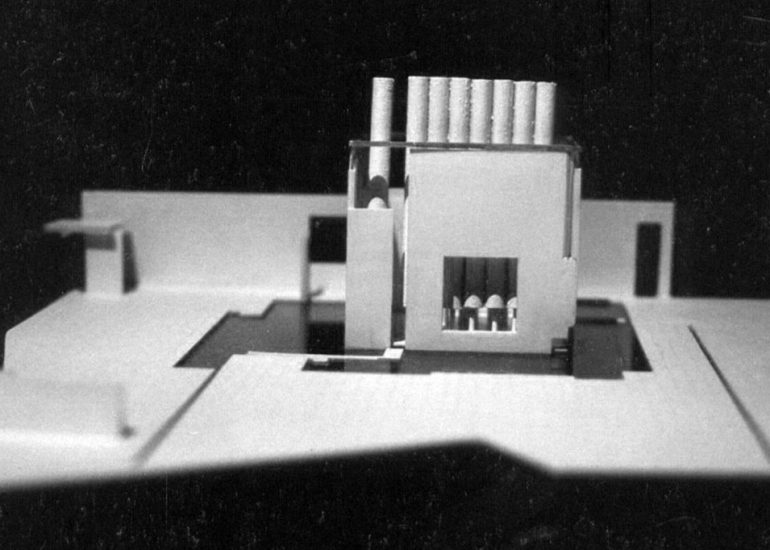
These gardens, with their language of foliage and bloom, speak in signs of renewal, tranquility, and continuity. Their inner spaces—designed as greenhouses, theatres, or concert halls—respond to the semiotic question: What does the individual seek in the density of the metropolis? The answer: a space where meaning does not remain silent, but flourishes, resounds, and breathes.
With this project, TCA has not merely constructed. It has authored a semiotic manifesto—a city that does not remain mute, but speaks. A city whose syntax is composed of bridges, paths, and spirals, and whose semantics are drawn from water, light, and vegetation. Ultimately, a city where leisure is not consumption, but poetic experience.
———————————————————————————————————————
Magok Waterfront Projesi Üzerine Bir Anlatı
Kentlerin artık yalnızca inşa edilmediği, aynı zamanda yorumlandığı bir çağda, TCA’nın Seul için geliştirdiği tasarım sadece bir mimari öneri değil; katmanlı anlamlardan oluşan bir palimpsesttir – mekâna çevrilmiş bir anlatıdır. Magok Waterfront Projesi, sadece beton, cam ve bitkilerden ibaret değildir; her mimari jestin bir işaret olduğu ve kentsel mekânın okunabilir bir metne dönüştüğü sözel bir sistemdir.
Yapay göl – Han Nehri’nin simgesel yankısıyla beslenen bir yüzey – yalnızca bir su öğesi değildir. Aynı anda gökyüzünü, şehri ve insanı yansıtan anlamsal bir aynadır. Bu suyun içinde yükselen adalar, spiral formda göğe uzanan dikey bahçeler, Babil’in Asma Bahçeleri’ne, cennet metaforuna, kent içindeki arkadya hayaline göndermeler yapan metinler gibidir.
Bu bahçeler – yaprak ve çiçekten oluşan dilleriyle – yenilenmenin, sükûnetin ve sürekliliğin işaretlerini taşır. İç mekânları; sera, tiyatro ya da konser salonuna dönüşebilen bu yapılar şu semantik soruya cevap verir: Metropol yoğunluğunda bireyin aradığı nedir? Yanıt şudur: Anlamın sessiz kalmadığı, büyüdüğü, yankılandığı ve soluk aldığı bir mekân.
TCA bu projeyle yalnızca bir yapı üretmedi. Sessiz kalmayan, konuşan bir kent önerdi. Köprüler, yollar ve spiral rampalardan oluşan bir sözdizimi; su, ışık ve bitkilerden örülmüş bir anlambilim inşa etti. Ve nihayetinde: boş zamanın tüketime değil, şiirsel deneyime dönüştüğü bir kent yarattı.
#MagokWaterfront #SeoulUrbanDesign #SouthKoreaArchitecture #UrbanOasis #GreenCityscape #InnovativeLandscaping #WaterfrontRevolution #SustainableUrbanLiving #VerticalGardens #CityInNature #SeoulInnovation #MagokDevelopment #UrbanPlanningMarvel #GreenSeoul #NatureInMetropolis