Ponto del Academia
ITALY
Year
1985
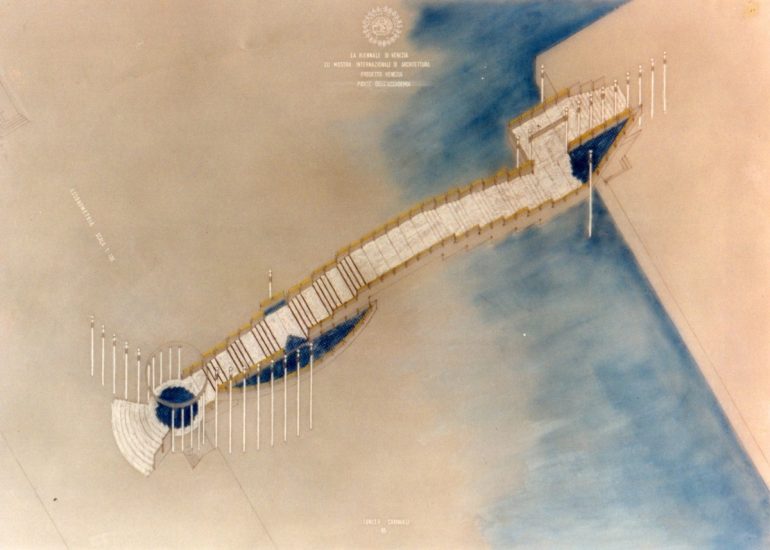
“The Passage as Sıgn: A Brıdge ın Venıce”
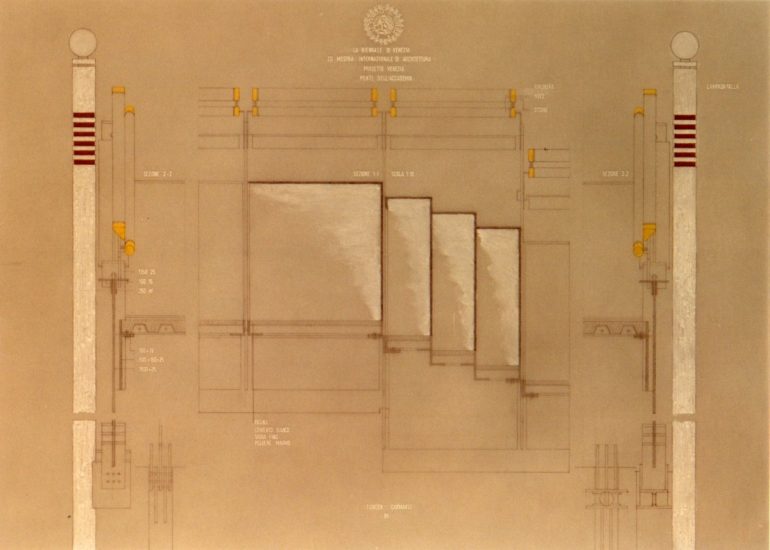
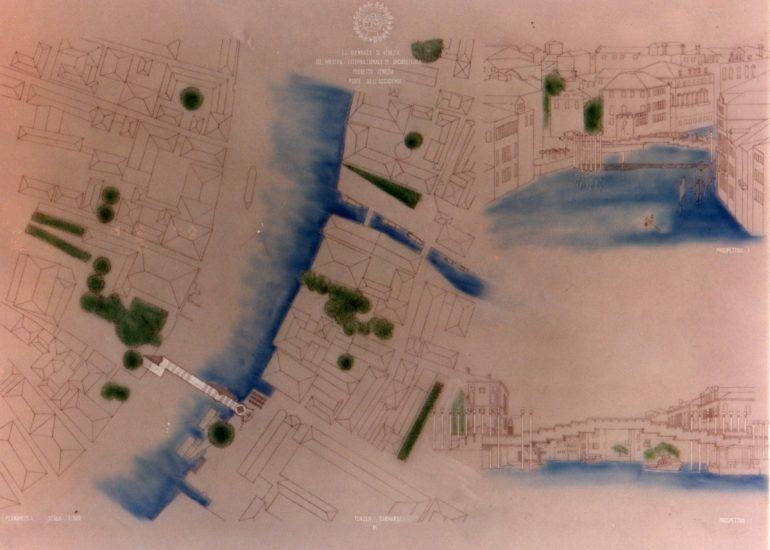
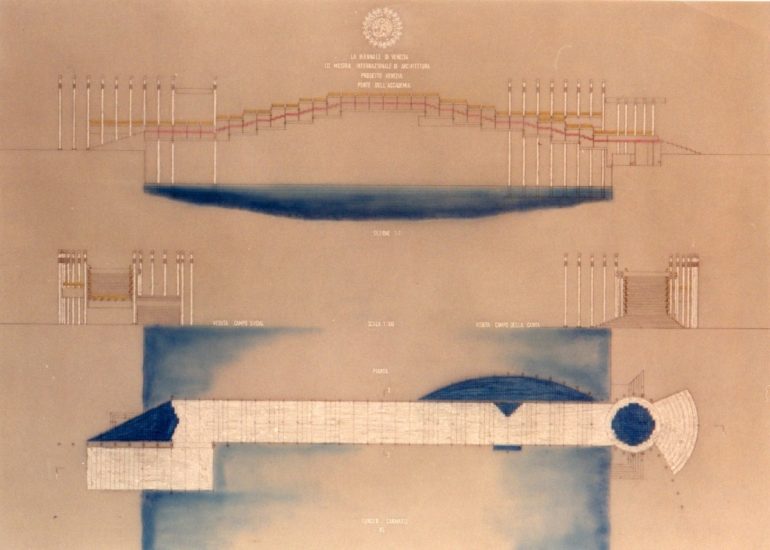
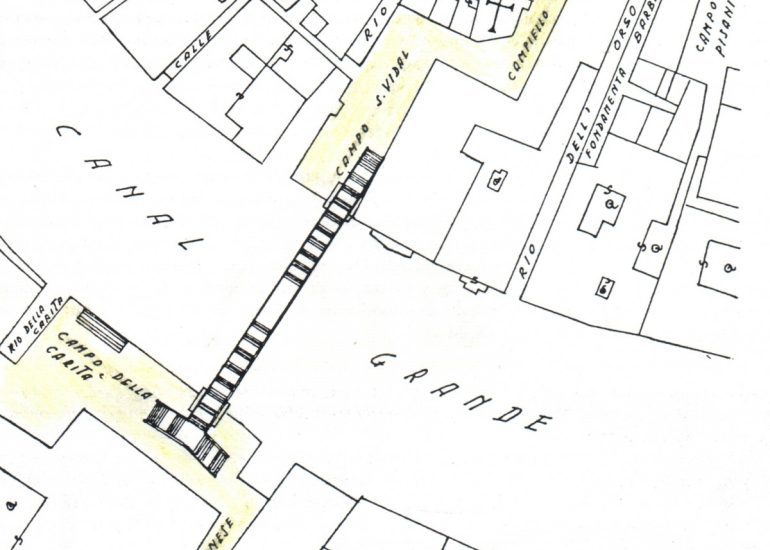
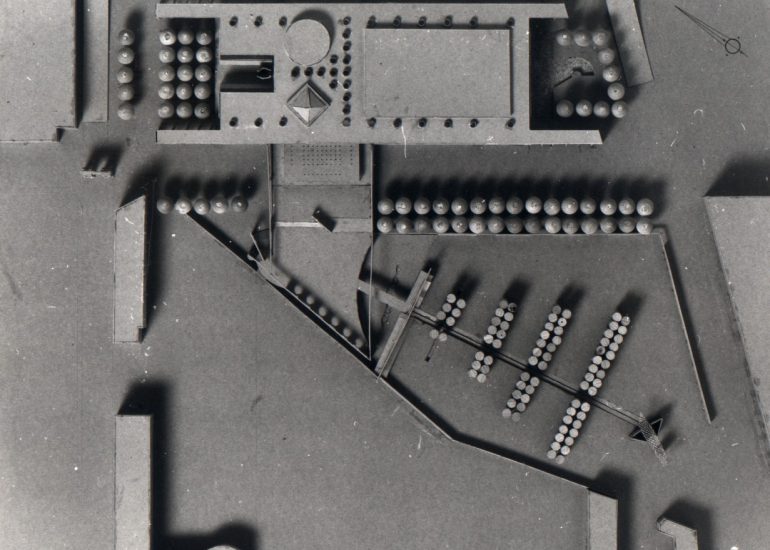
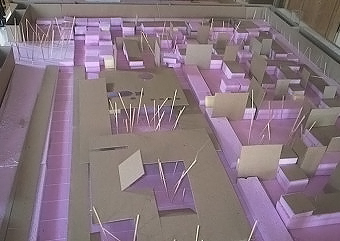
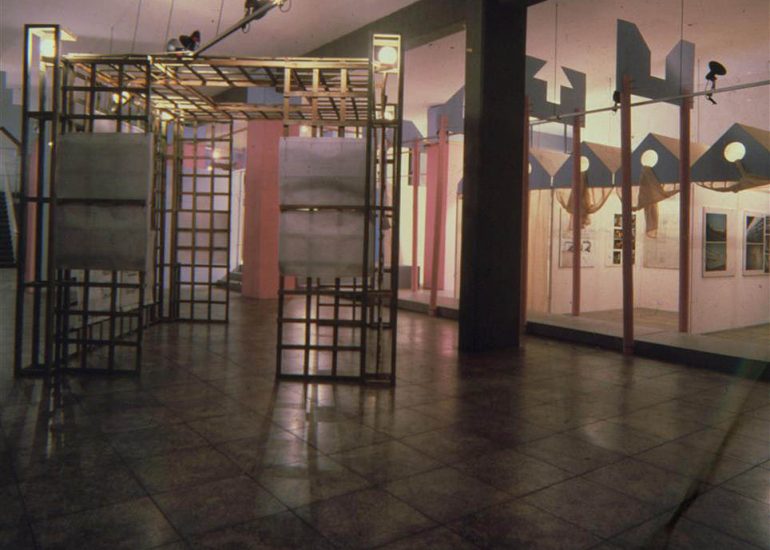
Competition for a new bridge for the Venice Biennale.
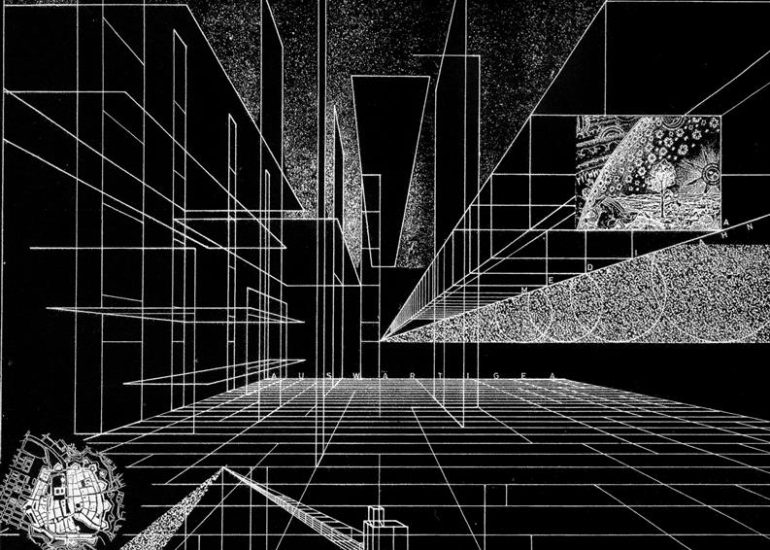
There are cities built to endure – and cities built to be seen. Venice belongs to both. A city resting on stilts, seemingly a fiction, and yet one that has persisted for centuries against forgetting. Its streets are canals, its perspectives are acts of staging, and its bridges are chapters in a novel written entirely in transitions.
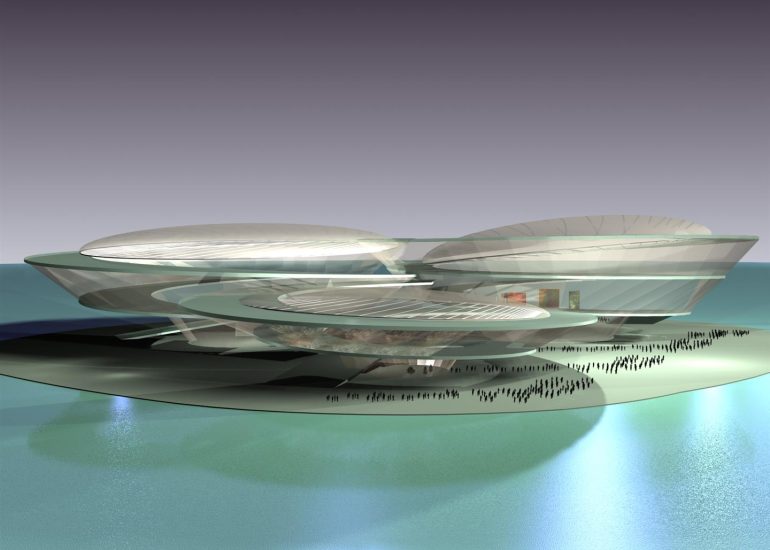
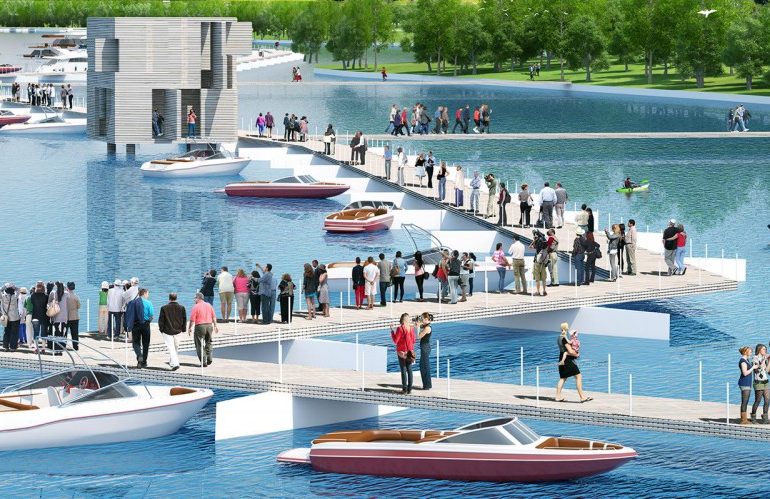
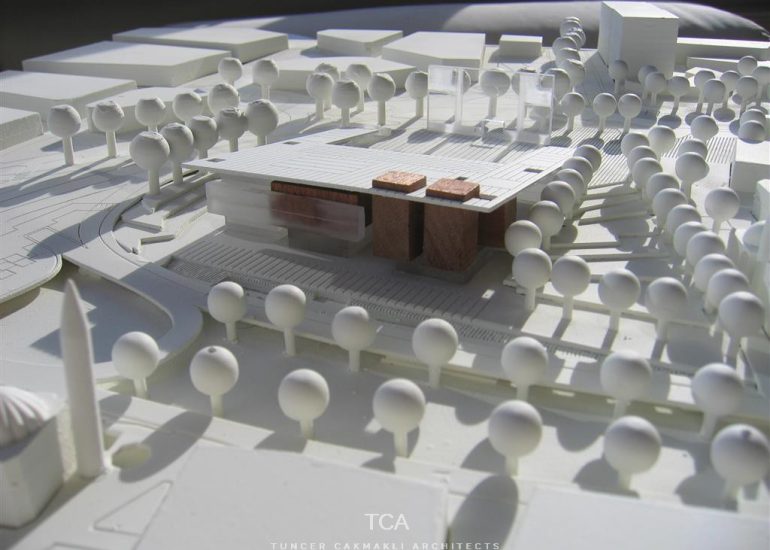
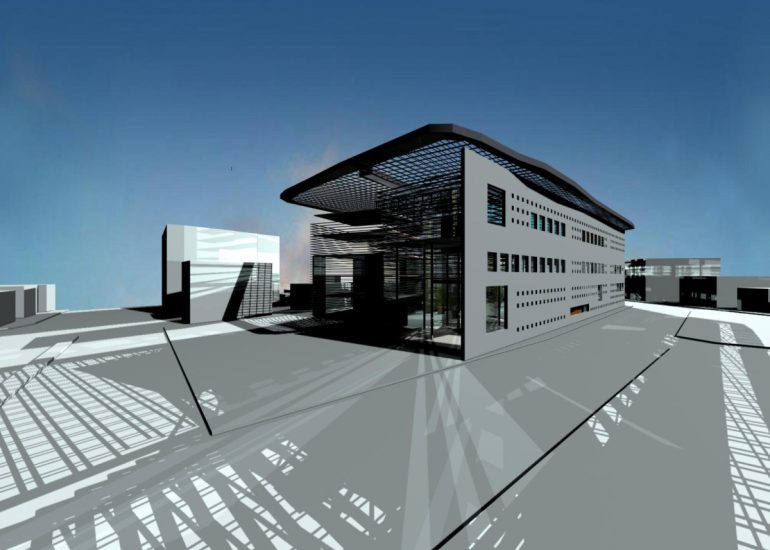
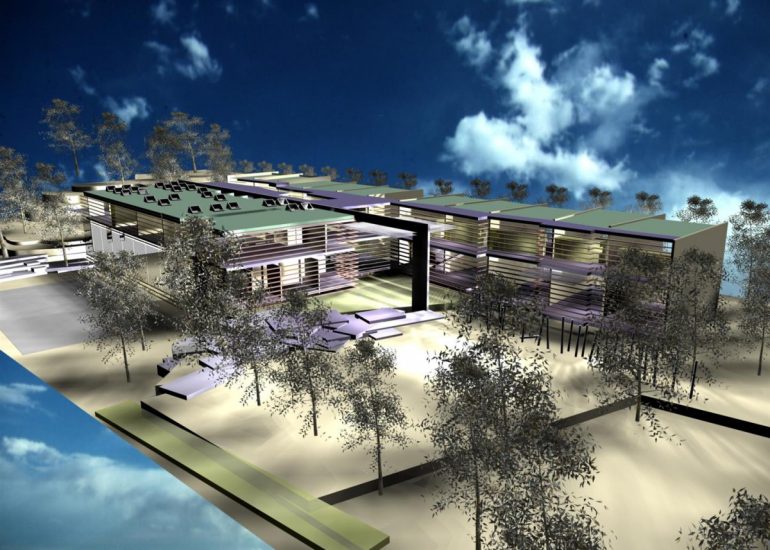
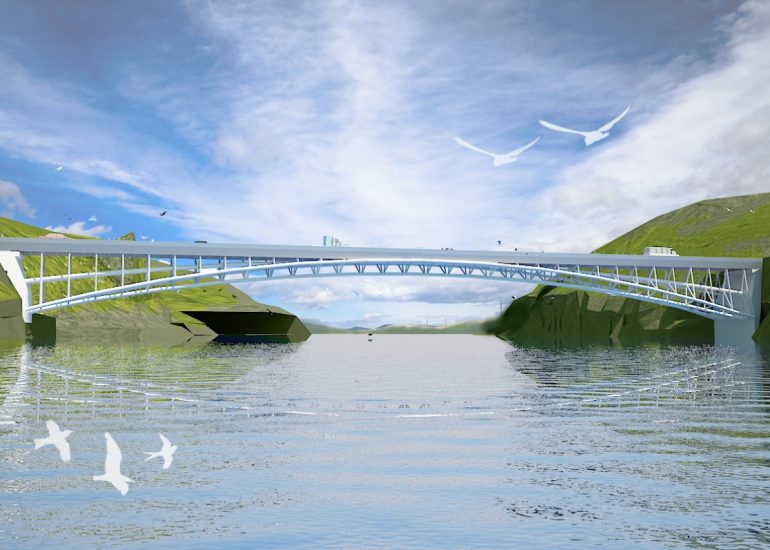
In this context, the new design by TCA for the Ponte dell’Accademia appears not simply as infrastructure, but as a gesture—or better: a punctuation mark in the city’s ongoing text. Not a full stop, nor an exclamation, but a comma, connecting two shores without collapsing them into one. A bridge that is not just crossed, but read.
TCA approaches this bridge not as an object, but as theatre. They understand Venice—with its play of light, its reflections, its sudden perspectives—as a stage, where every movement becomes a choreography. The bridge becomes a prologue: to step onto it is to enter a play of glances, shadows, and memories. From here, the Grand Canal reveals itself not merely as a waterway, but as a dramatic space—a candle grande, a stream of light in which the city’s history flickers.
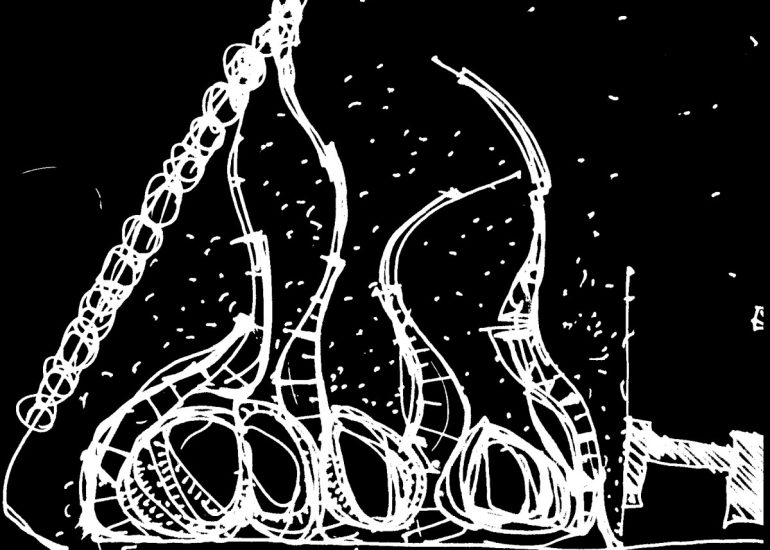
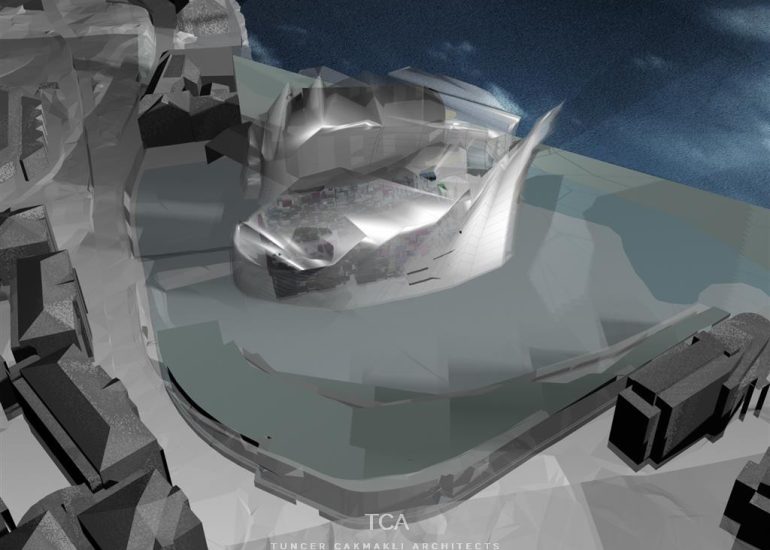
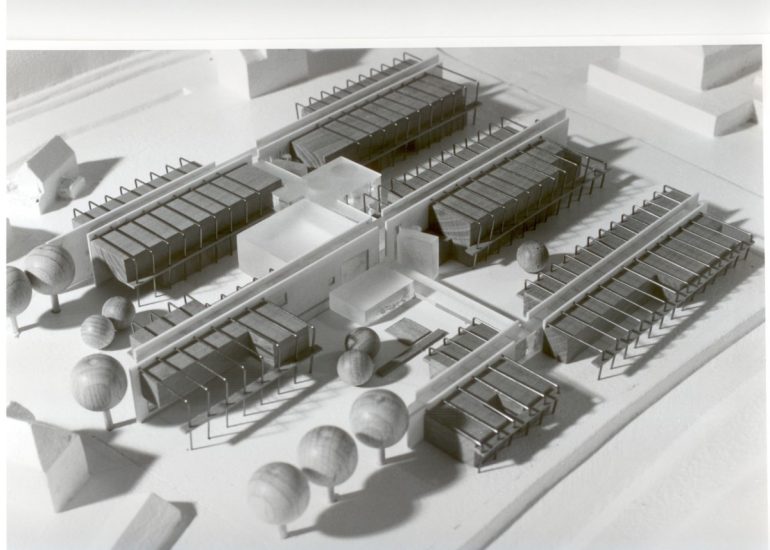
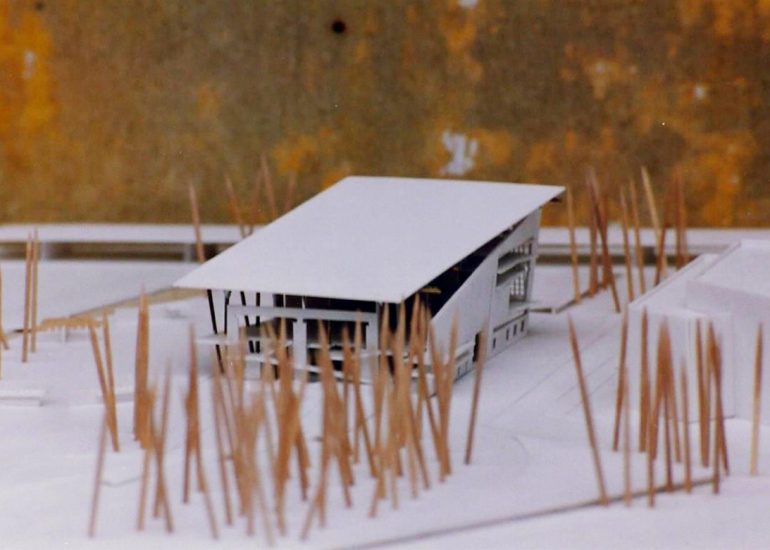
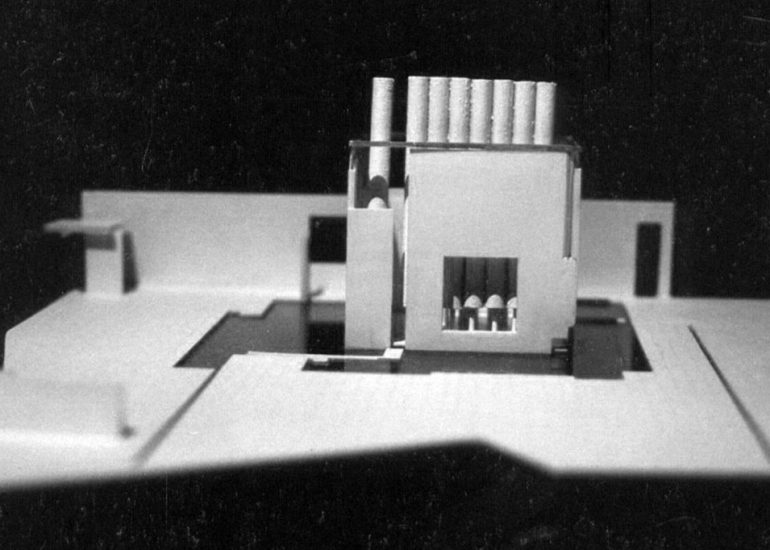
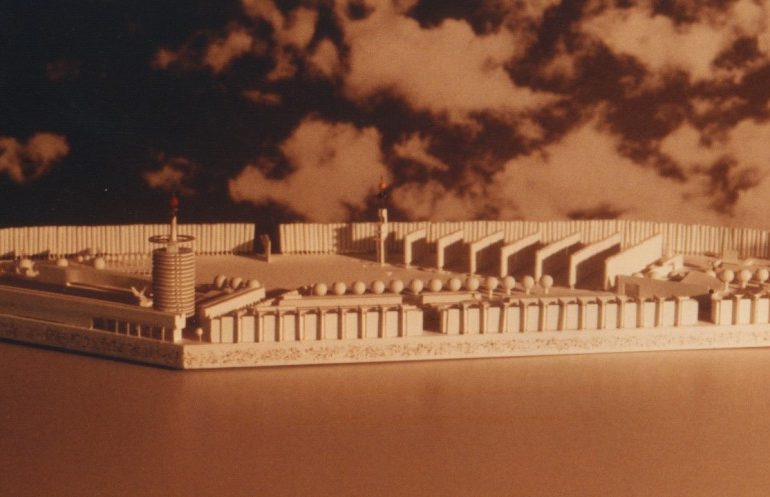
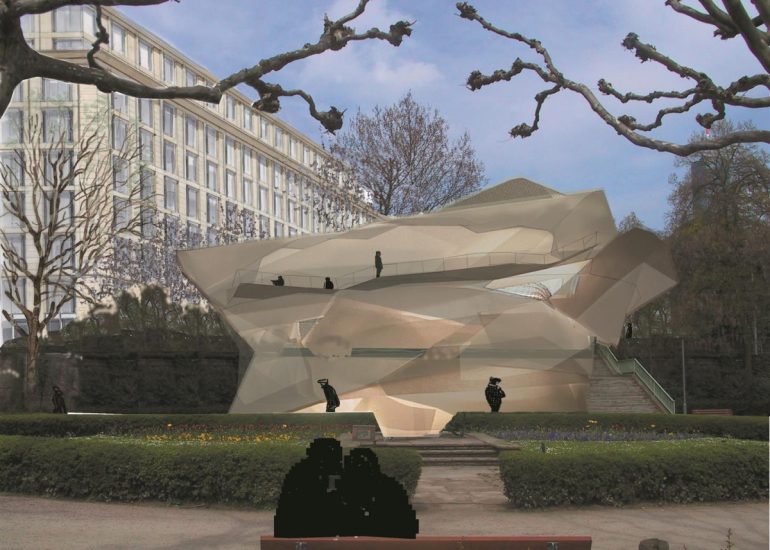
And here lies the trick: TCA inserts a new sculptural element onto the canal—not as ornament, but as sign. A gesture of architectural precision and philosophical depth—a kind of genius loci that is not carved in stone, but thought in space. This new element is not a monument, but an index, a subtle marker of what architecture today can become: not declaration, but an invitation to interpret.
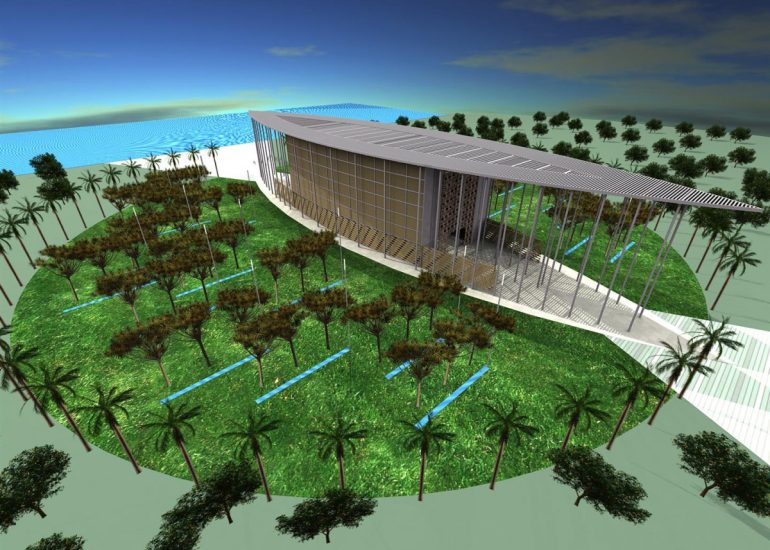
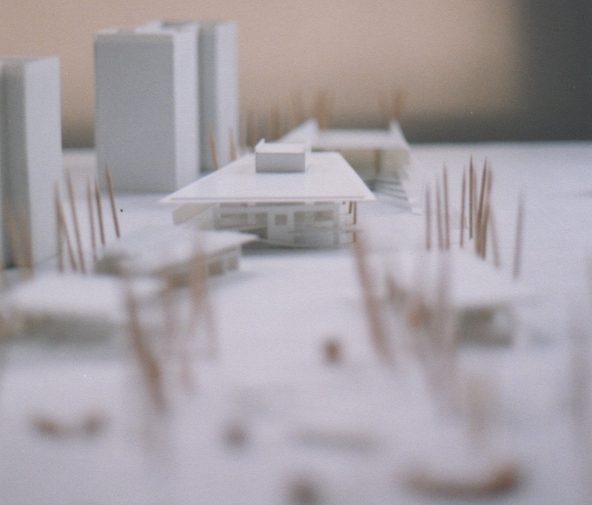
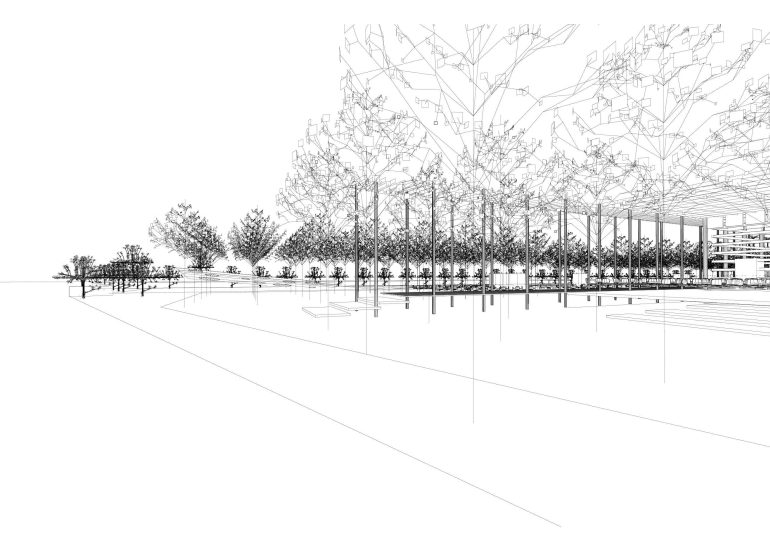
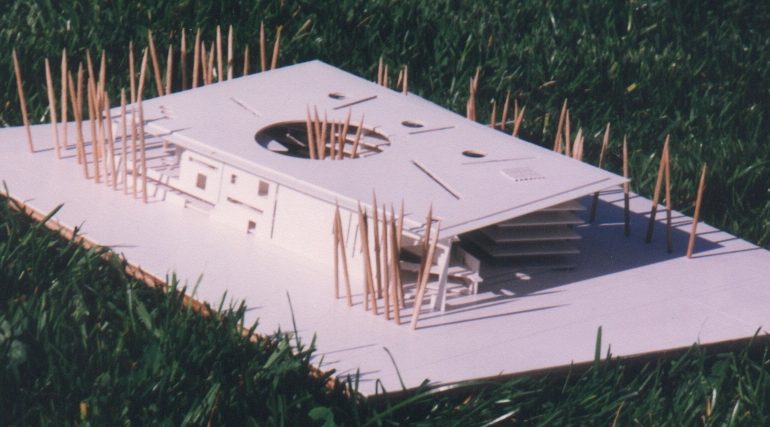
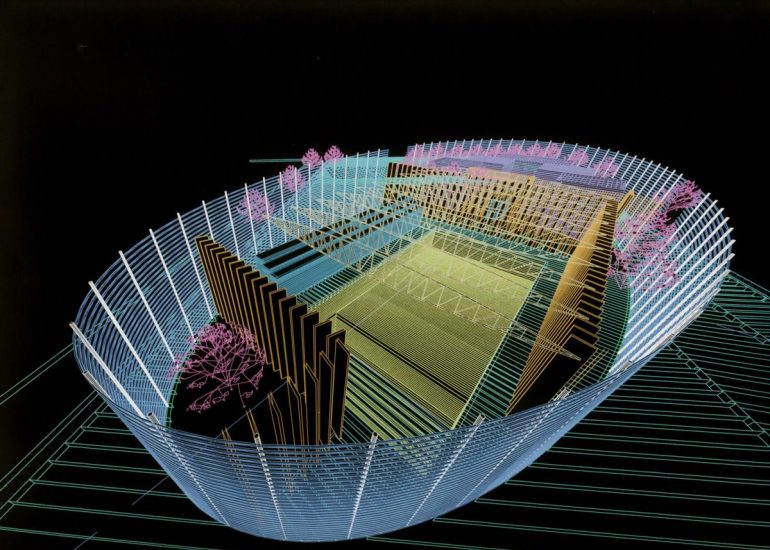
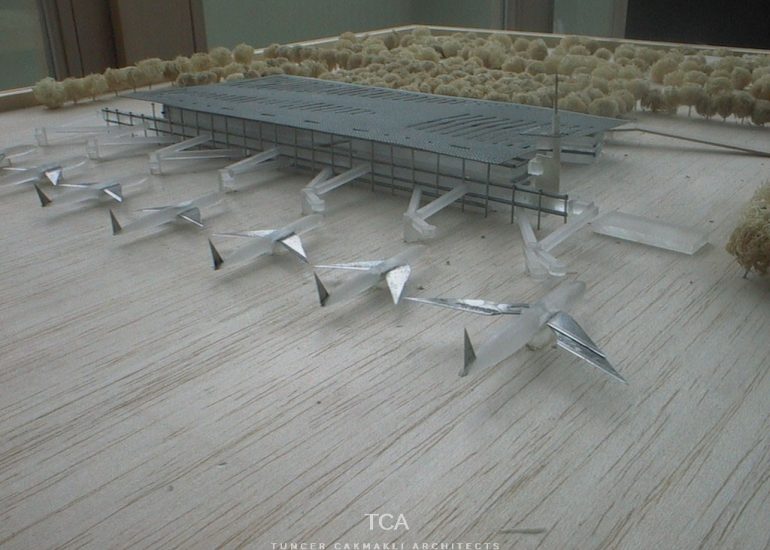
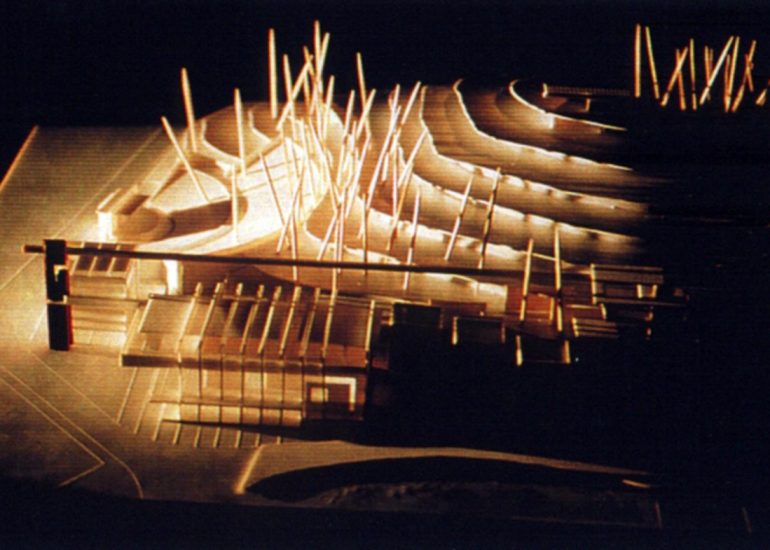
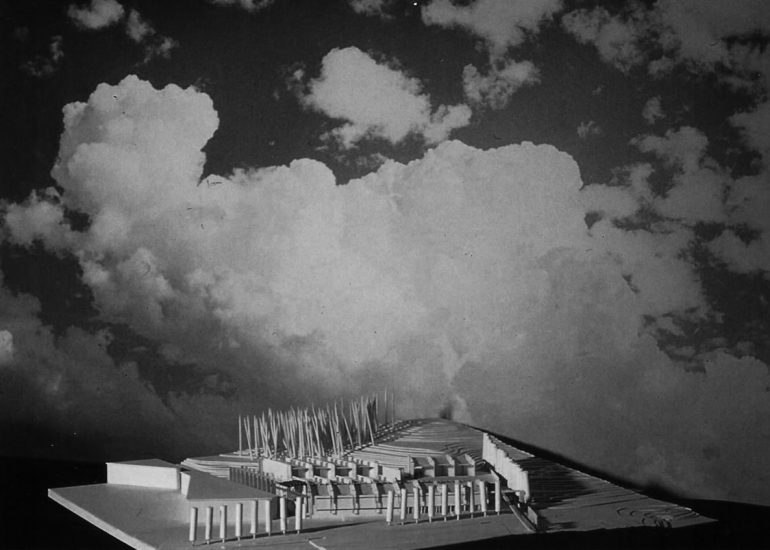
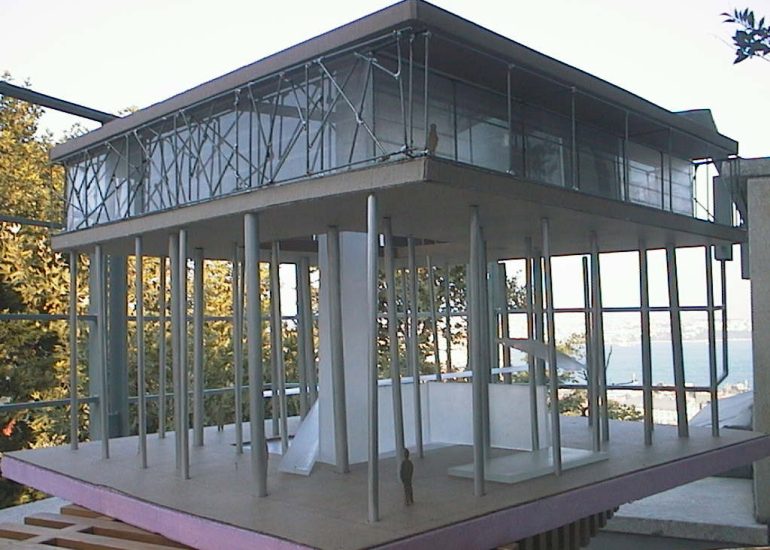
The use of timber piles—deliberately chosen—not only references Venice’s founding technique, but opens up new perspectives. Through this rhythmic structure, the eye is led and framed: toward the water, toward the city, toward the sky. The bridge becomes a lens, a visual instrument that turns walking into experience.
It is, to borrow from Barthes, not merely “readable” but “writable”: each person who crosses it writes a new interpretation of place with their steps. Here, not just a path between two banks begins, but a narrative. The bridge is both interface and threshold, a transitional zone in which Venice briefly re-reads itself.
And perhaps that is the true task of contemporary architecture: not to impress, but to signify. Not to dominate, but to differentiate. Not to explain the world, but to render it legible—at least to those who still know how to read.
————————————————————————————————————————
“Bir İşaret Olarak Geçiş: Venedik’te Bir Köprü”
Bazı şehirler dayanmak için inşa edilmiştir — bazıları ise görülmek için. Venedik her ikisine de aittir. Kazıklar üzerinde yükselen, bir kurgu gibi görünen ama yüzyıllardır unutulmaya karşı direnen bir şehir. Sokakları kanallar, perspektifleri birer sahneleme; köprüleri ise geçişlerden oluşan uzun bir romanın bölümleri gibidir.
İşte bu bağlamda, TCA’nın Ponte dell’Accademia için önerdiği yeni tasarım sadece bir altyapı değil, aynı zamanda bir jest, daha doğrusu şehrin metninde bir noktalama işareti gibidir. Ne bir nokta, ne bir ünlem… daha çok bir virgül: iki kıyıyı birbirine bağlar ama onları birleştirmez. Geçilen değil, okunan bir köprüdür bu.
TCA bu köprüyü bir nesne olarak değil, bir tiyatro olarak düşünür. Venedik’i —ışığın oyunları, yansımaları ve ani perspektifleriyle— bir sahne olarak kavrarlar; burada her hareket bir koreografidir. Köprü bir prologtur: üzerine adım atmak, bakışların, gölgelerin ve anıların oyununa katılmaktır. Bu noktadan, Canal Grande yalnızca bir su yolu olarak değil, bir dramatik alan olarak görünür — bir candle grande, şehrin tarihinin titrek ışıklarla aktığı bir sahne.
Ve tam burada asıl mesele başlar: TCA, kanal üzerine yeni bir heykelsi unsur yerleştirir — bir süs olarak değil, bir işaret olarak. Mimari bir kesinlik ve felsefi bir derinlik içeren bir jesttir bu — taşta değil, mekânda düşünülmüş bir genius loci. Bu unsur bir anıt değil, bir indekstir: bugünün mimarisinin ne olabileceğine dair ince bir öneri — açıklama değil, yorumlama daveti.
Ahşap kazıkların kullanımı —bilinçli bir seçim— sadece Venedik’in temel inşa tekniğine gönderme yapmaz, aynı zamanda yeni bakış açıları da açar. Bu ritmik yapı aracılığıyla göz yönlendirilir ve çerçevelenir: suya, şehre, gökyüzüne. Köprü bir merceğe dönüşür; yürüyüşü bir deneyime çeviren görsel bir araç haline gelir.
Bu köprü, Barthes’ın deyimiyle, sadece “okunabilir” değil, aynı zamanda “yazılabilir”dir: onu geçen her kişi adımlarıyla mekânın yeni bir yorumunu yazar. Burada sadece iki yakayı birbirine bağlayan bir yol değil, bir anlatı başlar. Köprü hem bir arayüz, hem de bir eşiktir — Venedik’in kendini yeniden düşündüğü geçici bir alandır.
Belki de çağdaş mimarinin esas görevi budur: etkilemek değil, anlam üretmek. Hakim olmak değil, ayrım yaratmak. Dünyayı açıklamak değil, onu okunur kılmak — en azından hâlâ okumayı bilenler için.
Location:Venice,Italy