ADMINISTRATION BUILDING
BURSA
It is one of the quiet paradoxes of our age that the human being—who understands himself as a free creature—spends the largest part of his life in spaces he did not choose. Workspaces, those silent stages of our daily routines, claim one third of our hours, sometimes more. And yet we rarely grant them the attention we readily offer to other realms of existence: to art, to literature, even to the fleeting pleasures of consumption.
But when one looks at these spaces with the eye of an architect—or more precisely, with the patient gaze of a cultural historian—it becomes clear that the design of the workplace holds an anthropological significance as deep as the construction of a temple or the arrangement of a marketplace. For here, a daily liturgy unfolds: a renewed binding of the human being to his own productivity, to his intellectual and physical creative force.
It is therefore no coincidence that modern administrative buildings, when approached seriously, must fulfill a double task: They must not only function, but inspire. While they organize the chaos of data, decisions, and human movements, they must also offer those who work within them a horizon that extends beyond mere functionality.
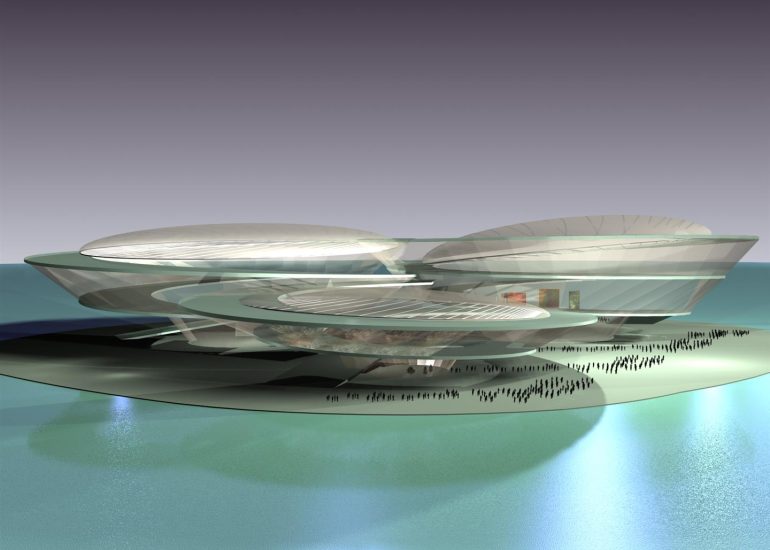
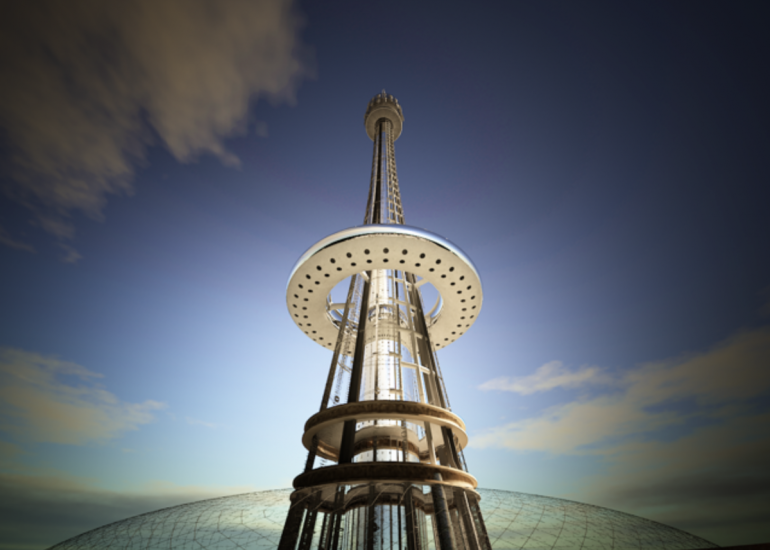
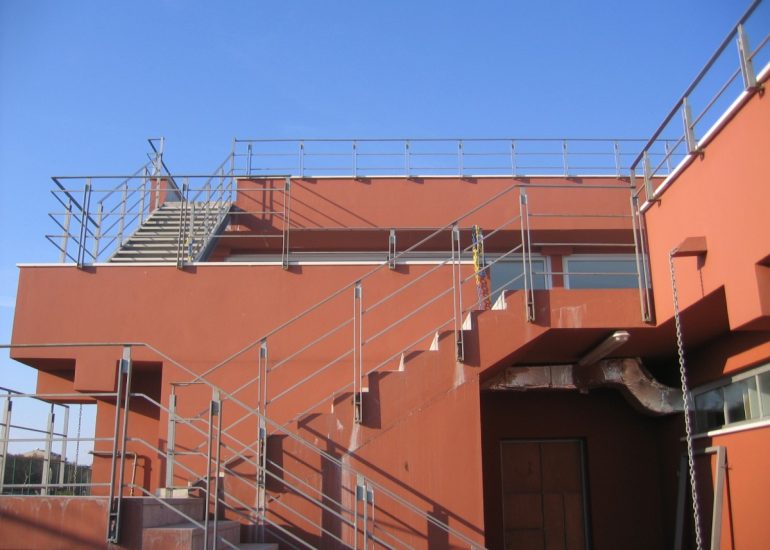
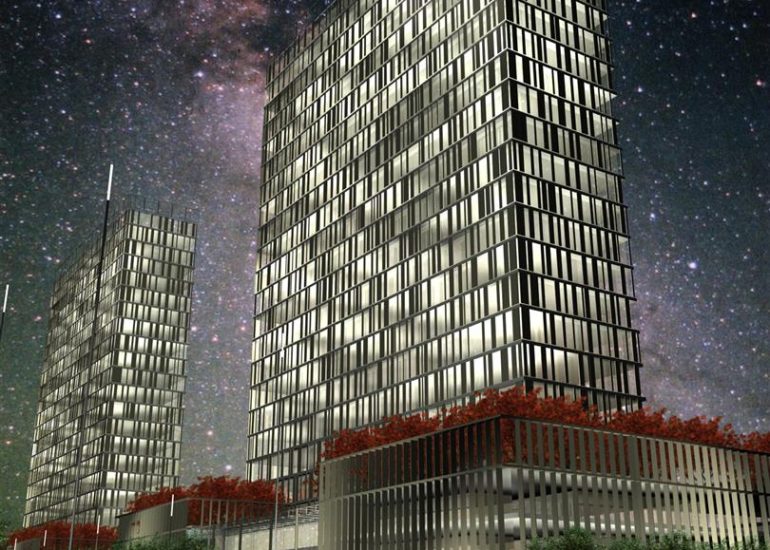
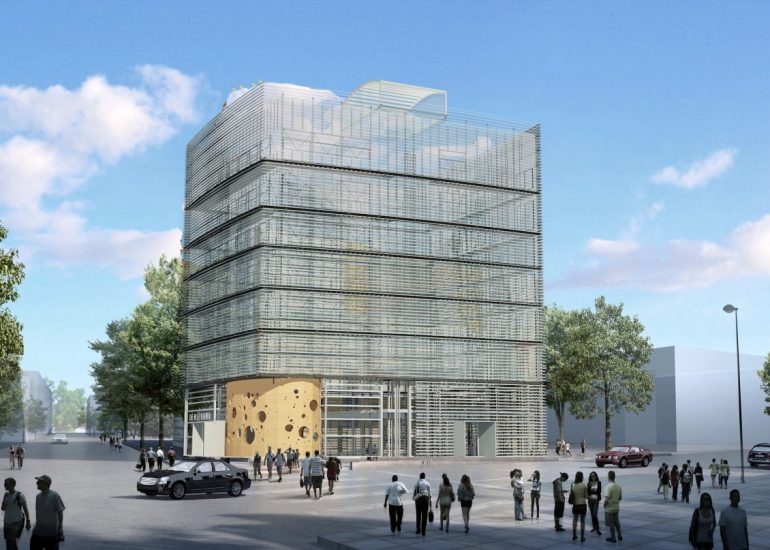
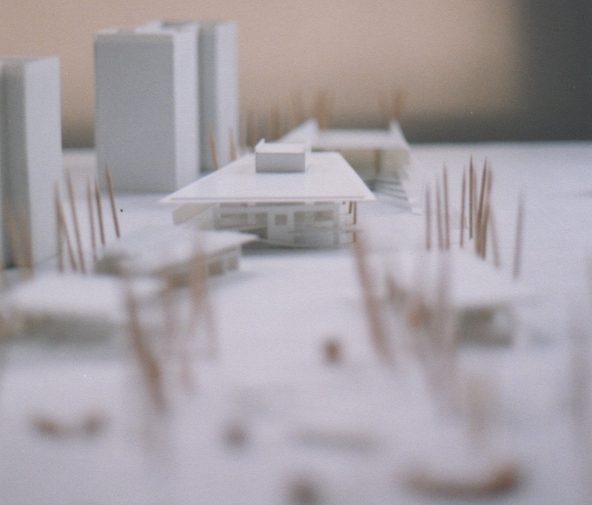
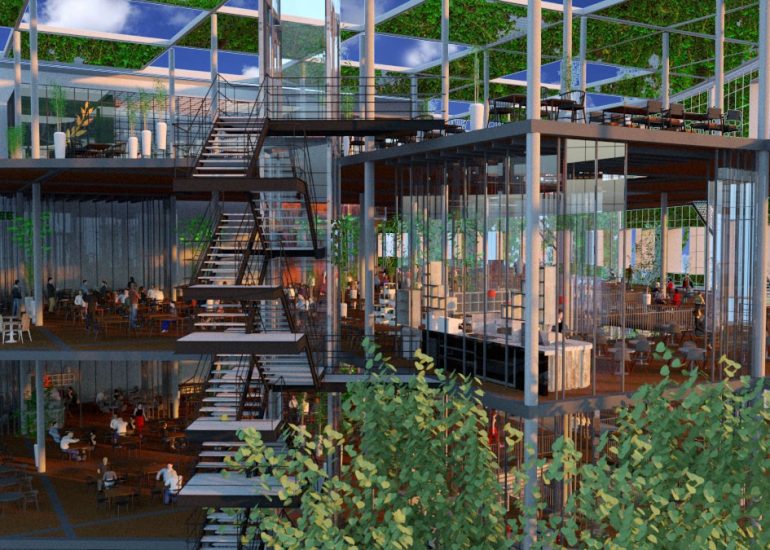
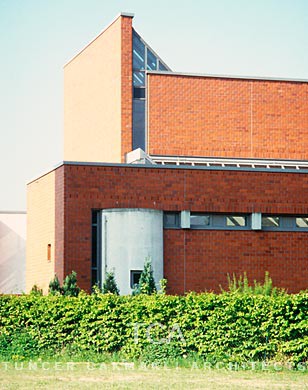
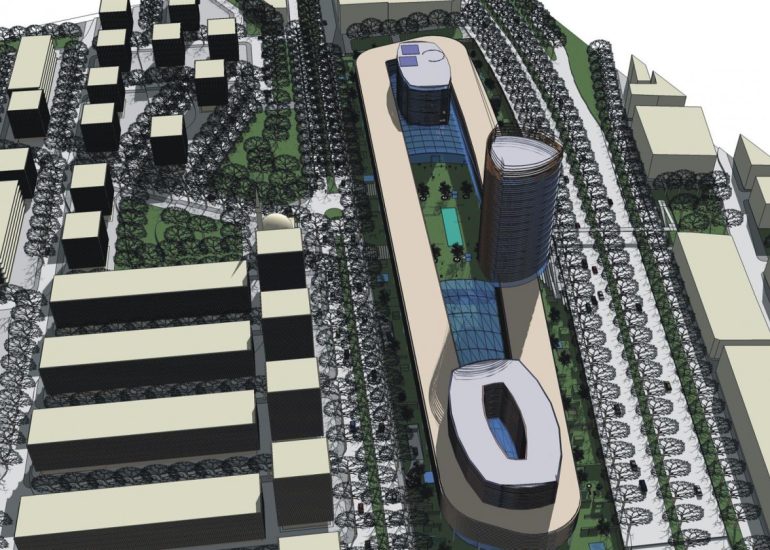
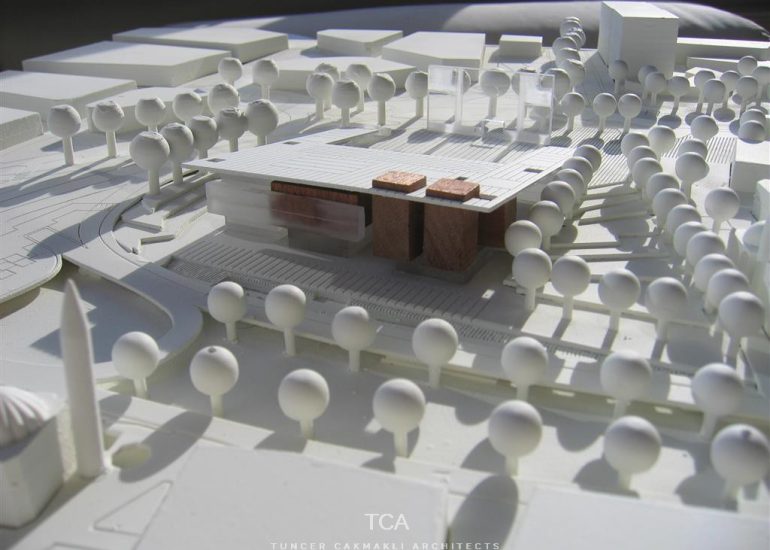
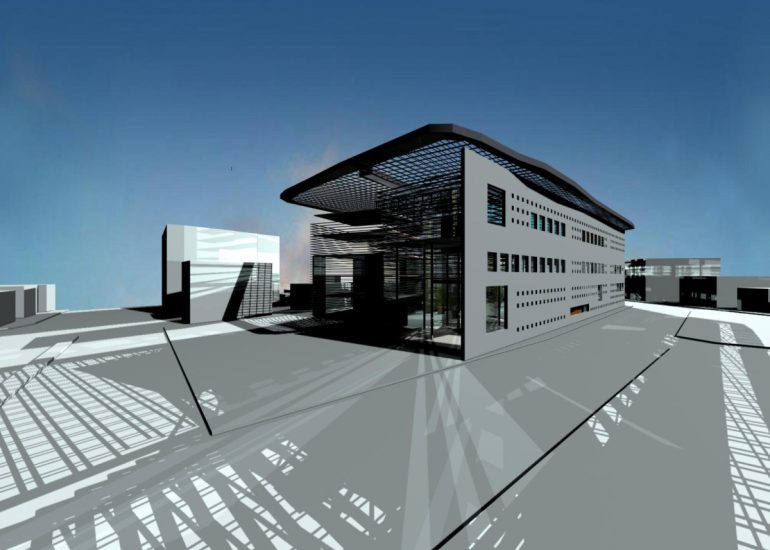
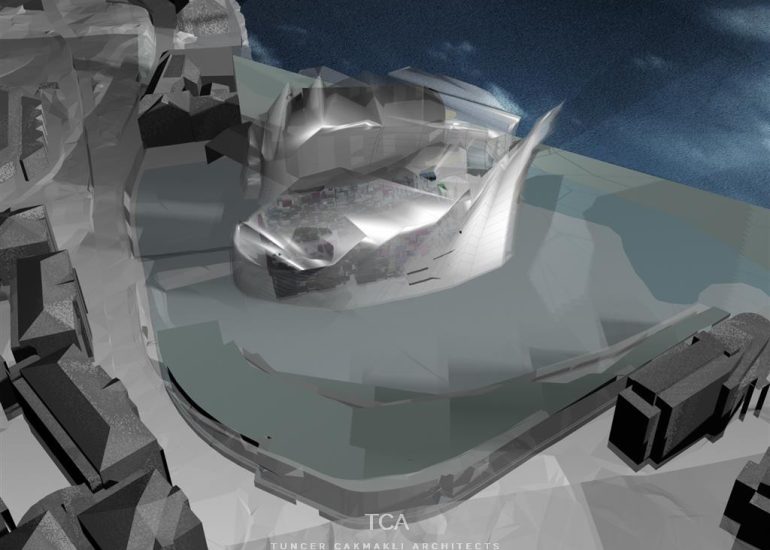
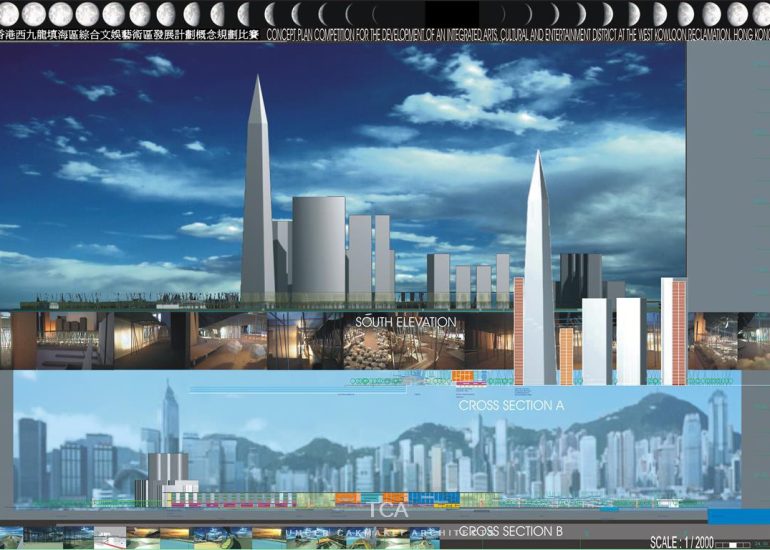
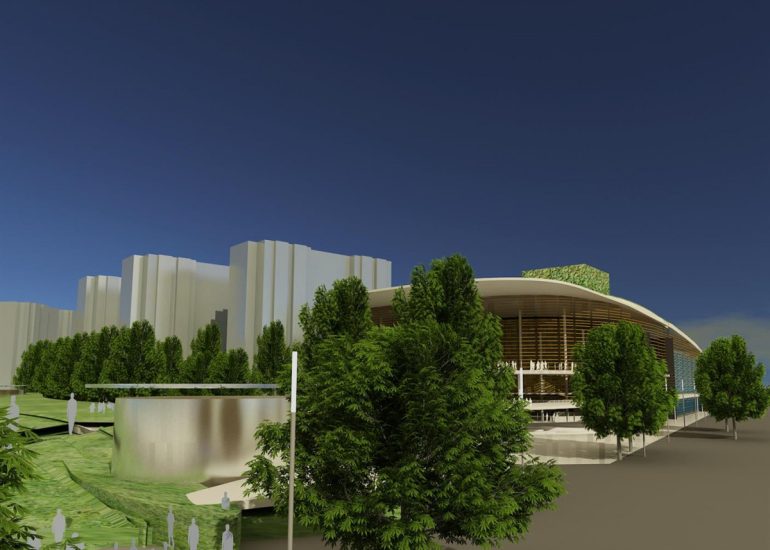
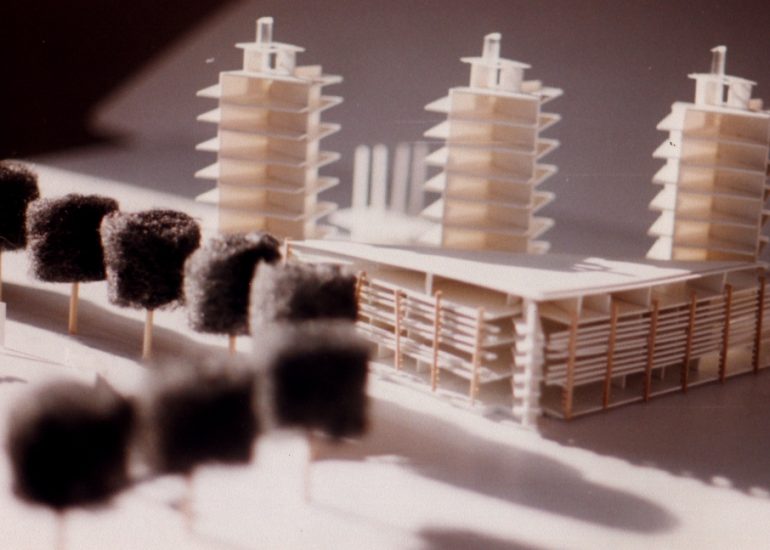
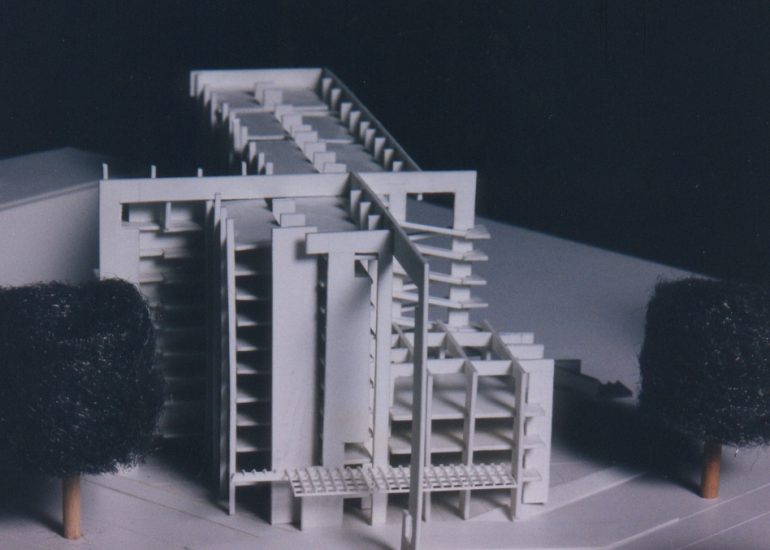
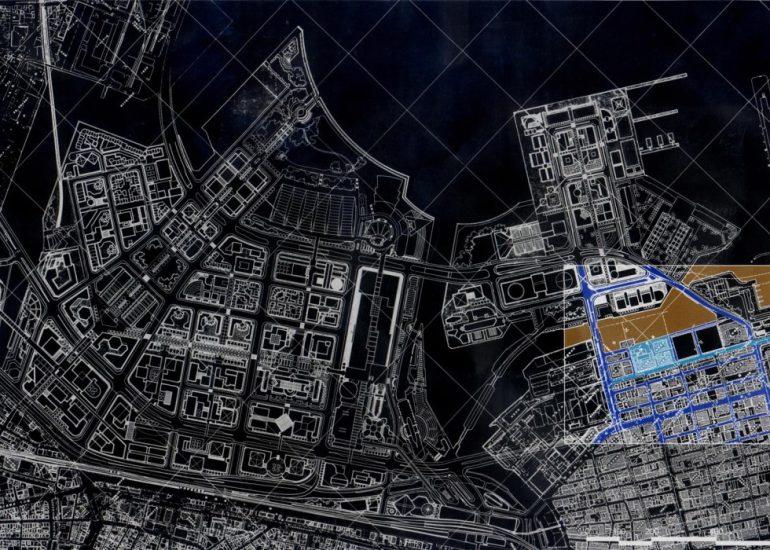
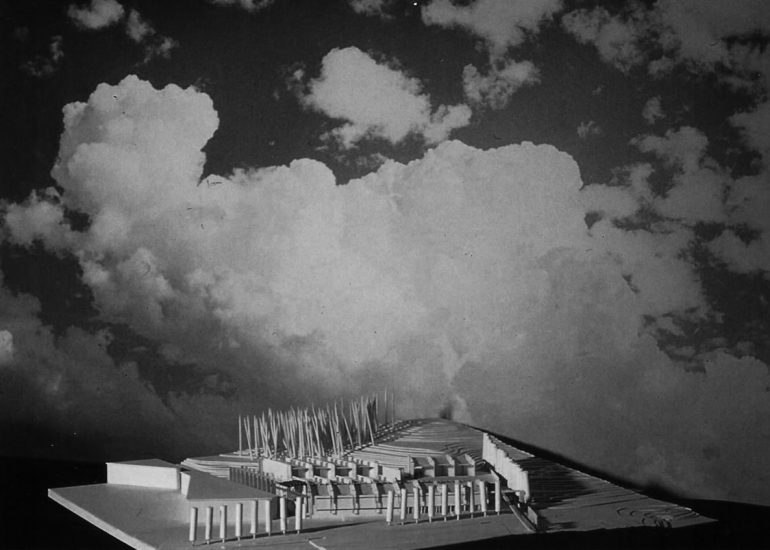
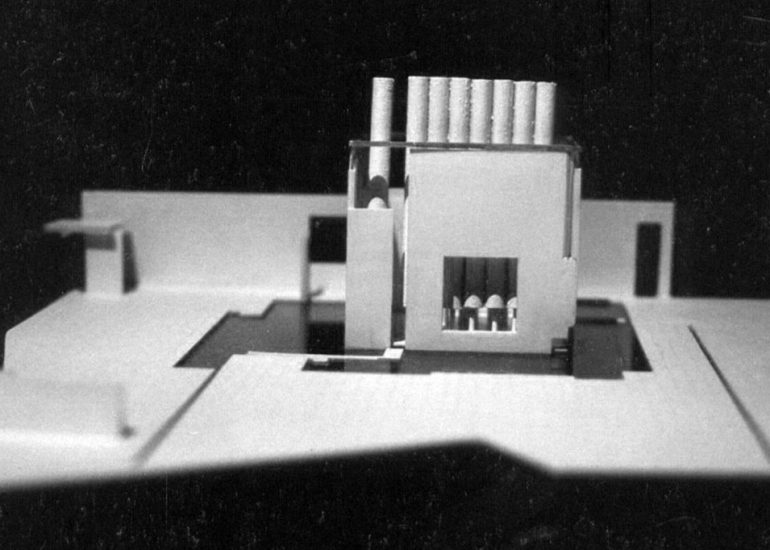
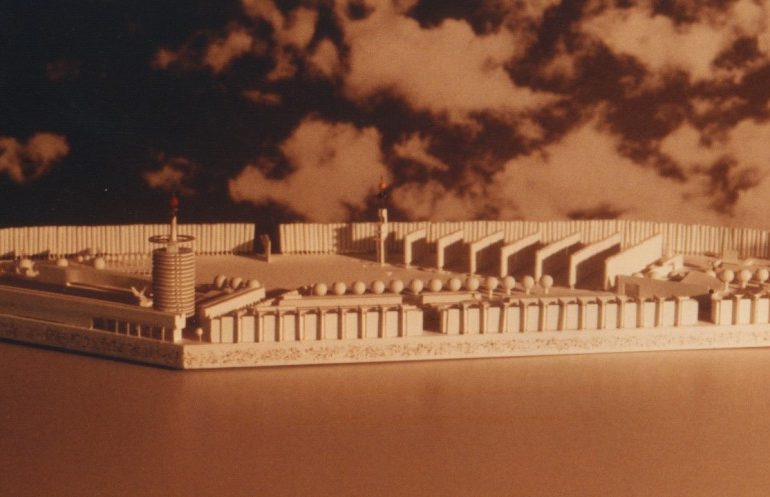
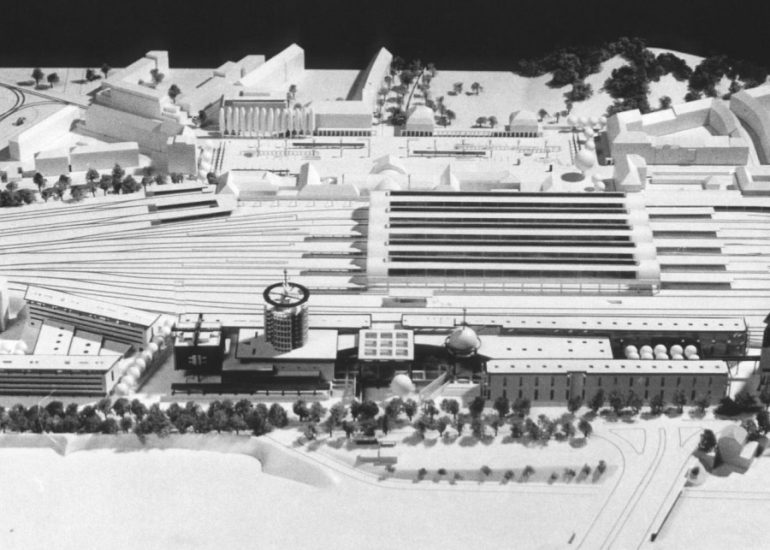
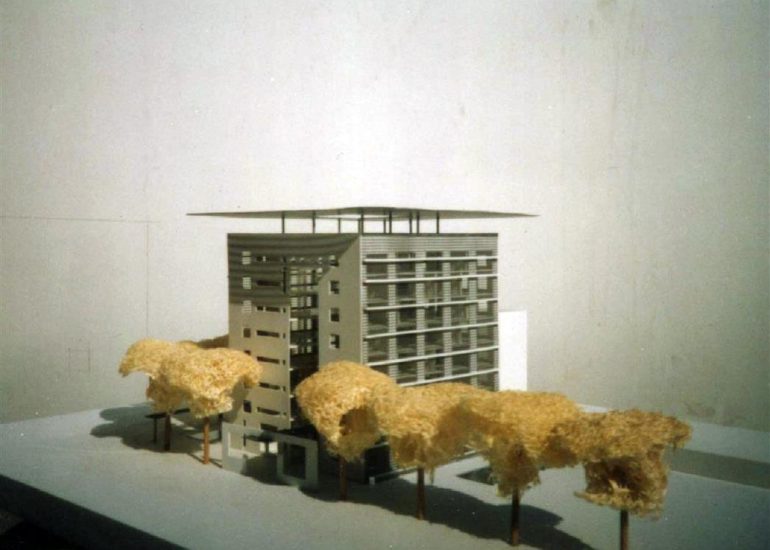
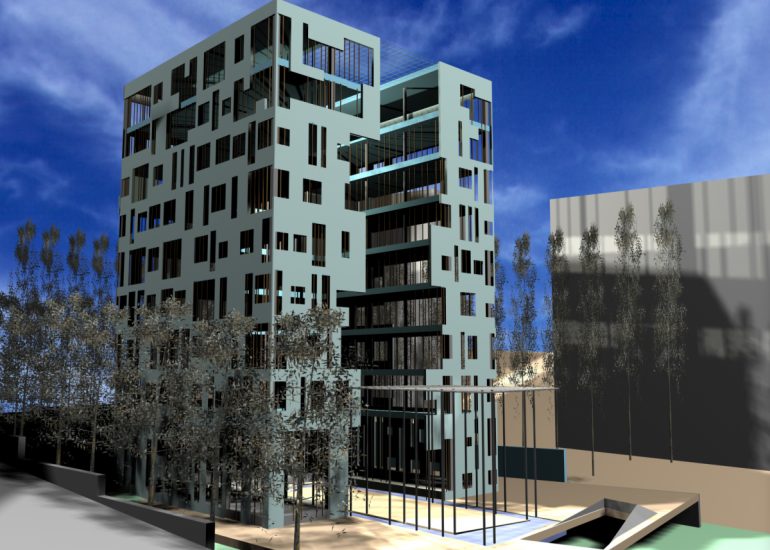
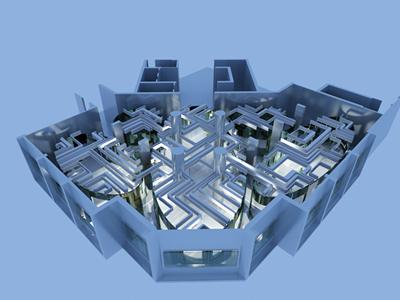
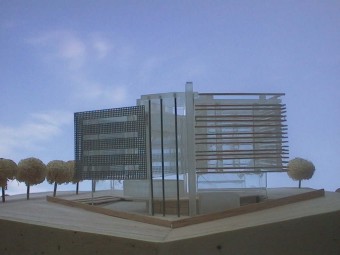
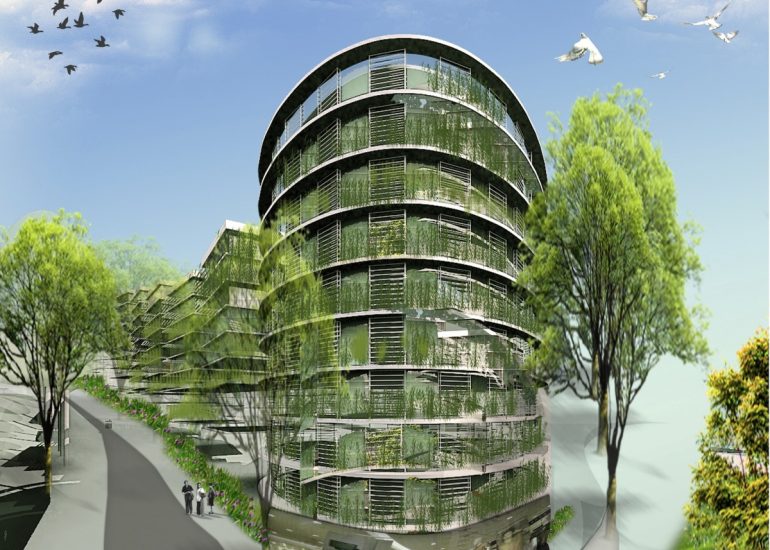
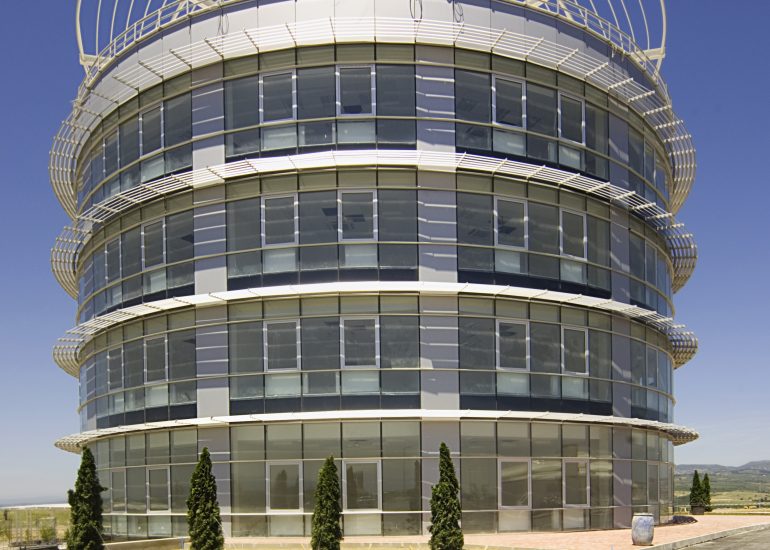
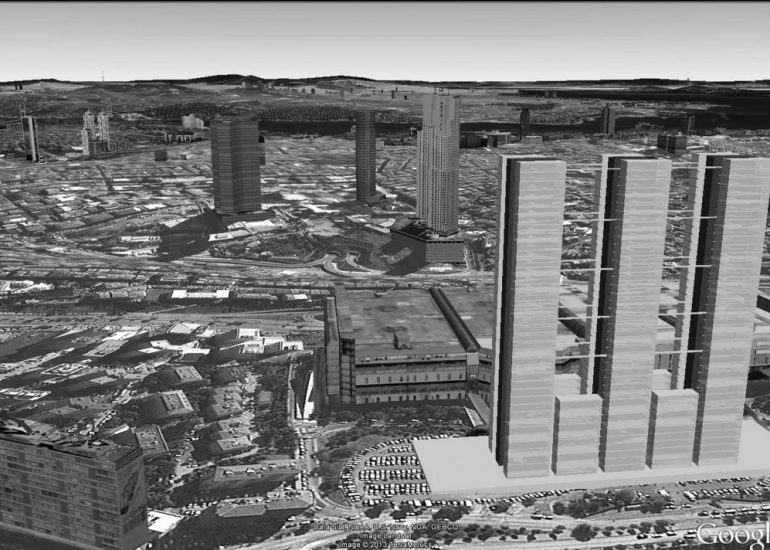
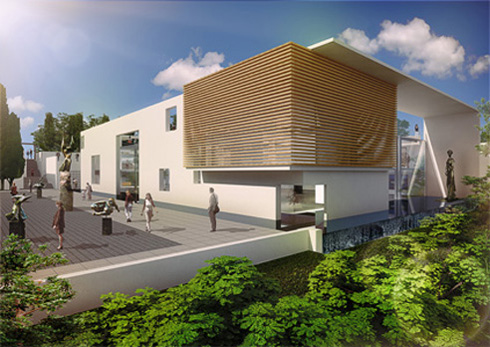
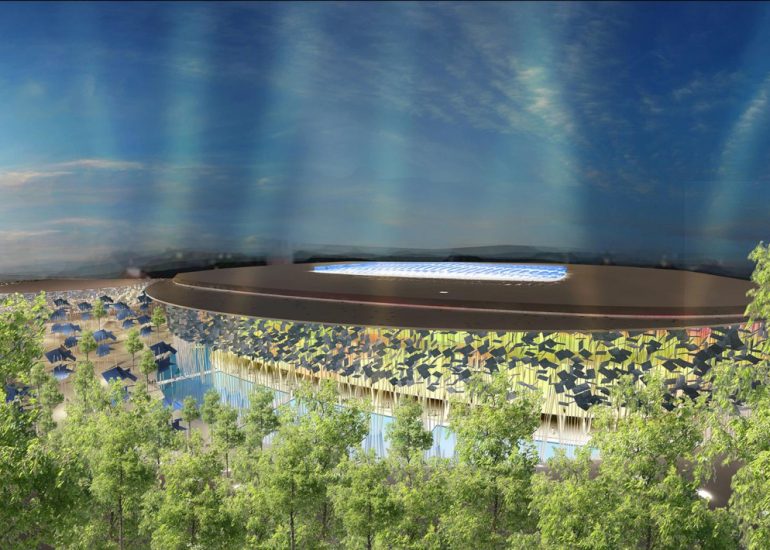
In this sense, the administrative tower designed by the TCA team is not only an urban signal, but an architectural narrative. The tower—long a symbol of orientation, watchfulness, and intellectual ascent—becomes here a manifesto of a new work ethic. It inscribes itself into the city like a chapter inviting the reader to rediscover the vertical dimension of thought.
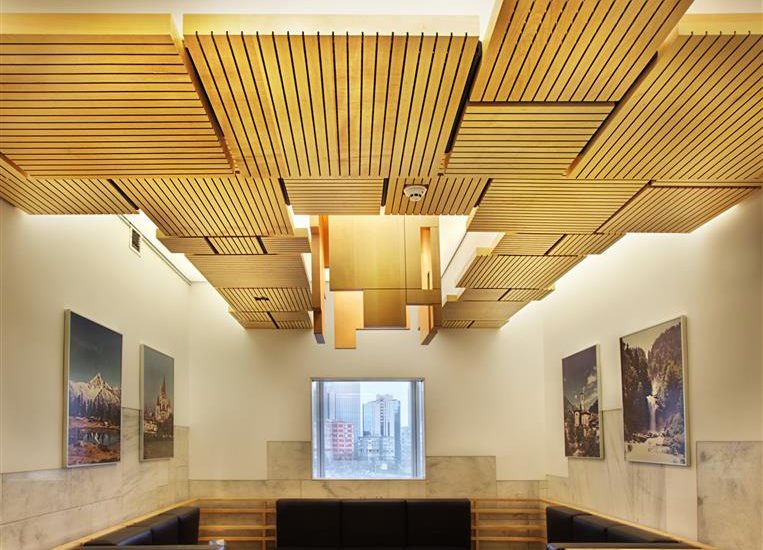
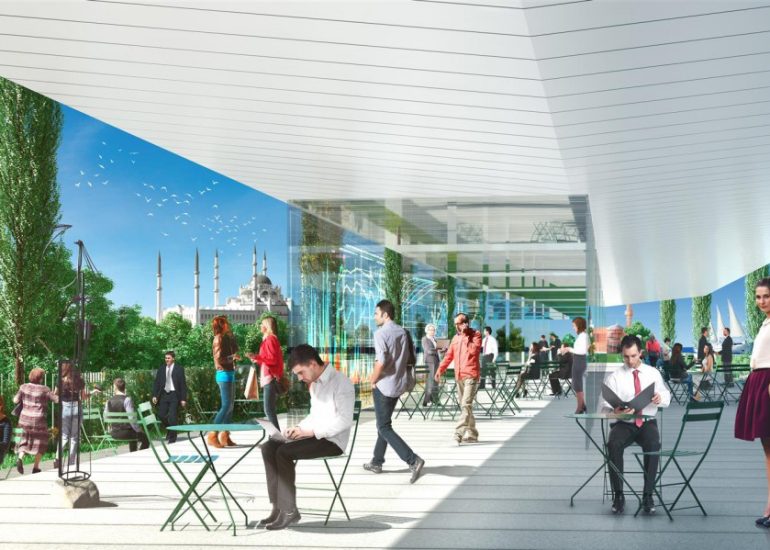
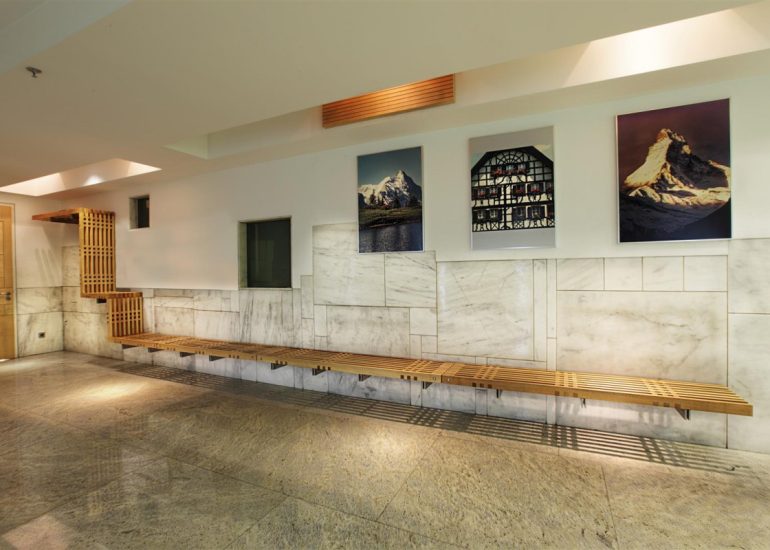
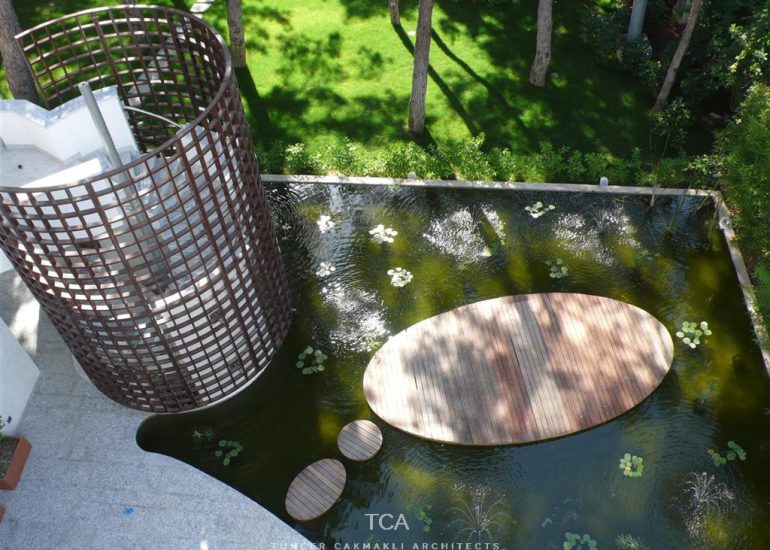
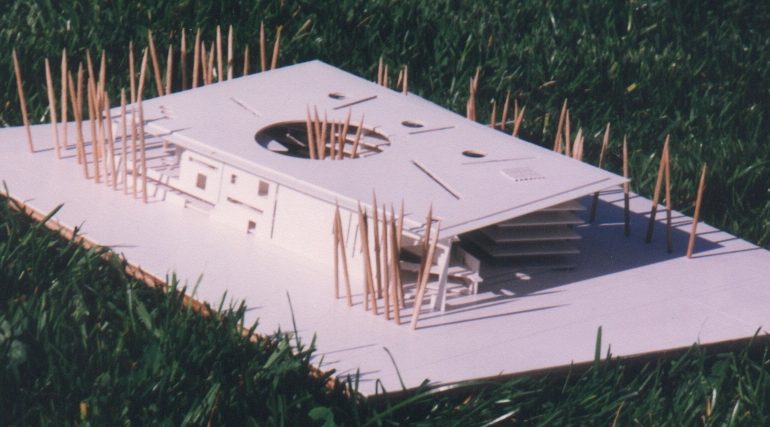
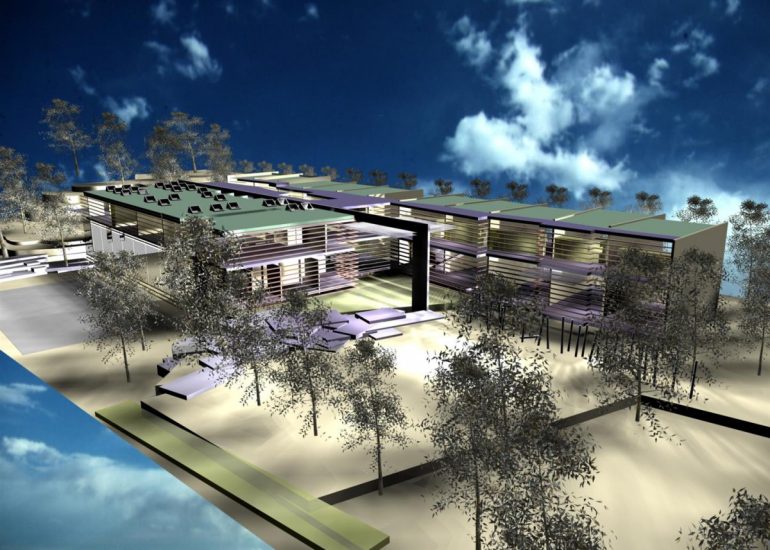
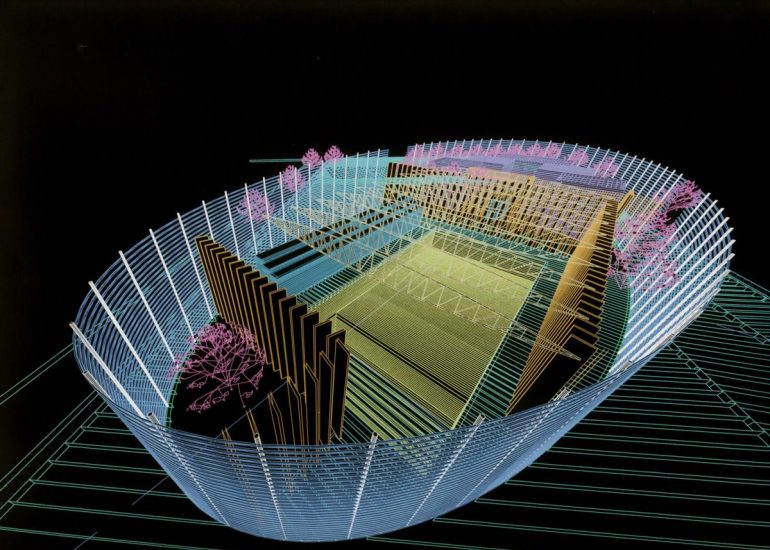
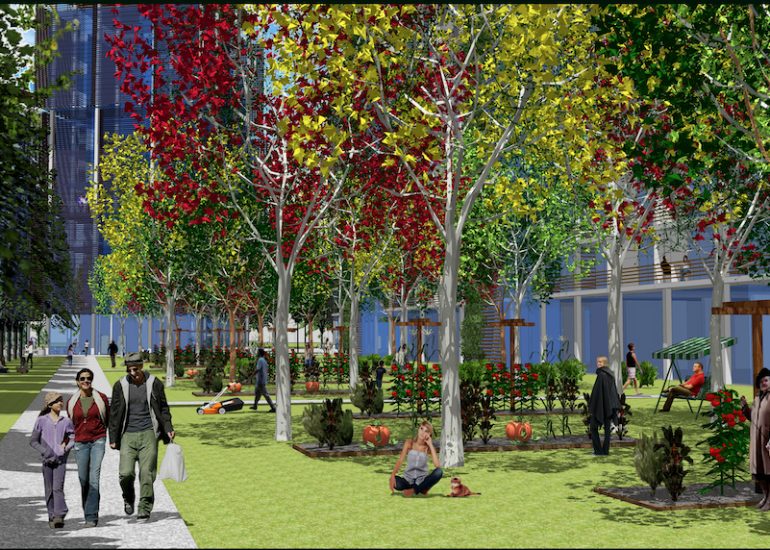
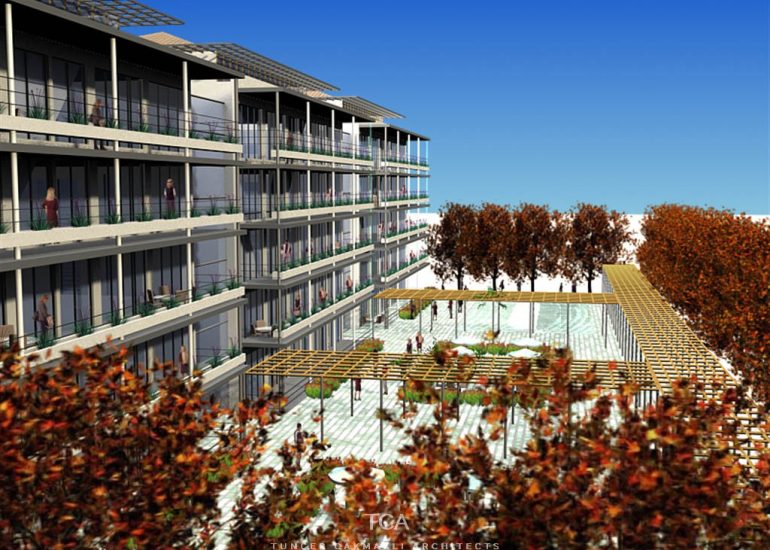
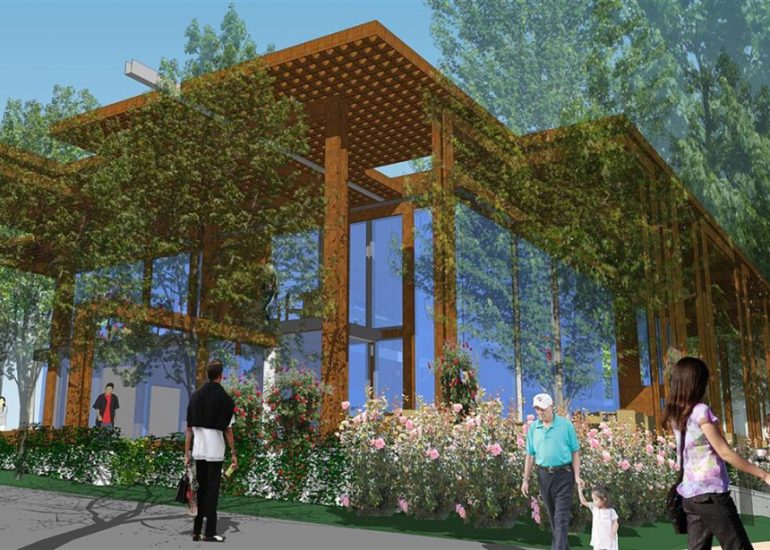
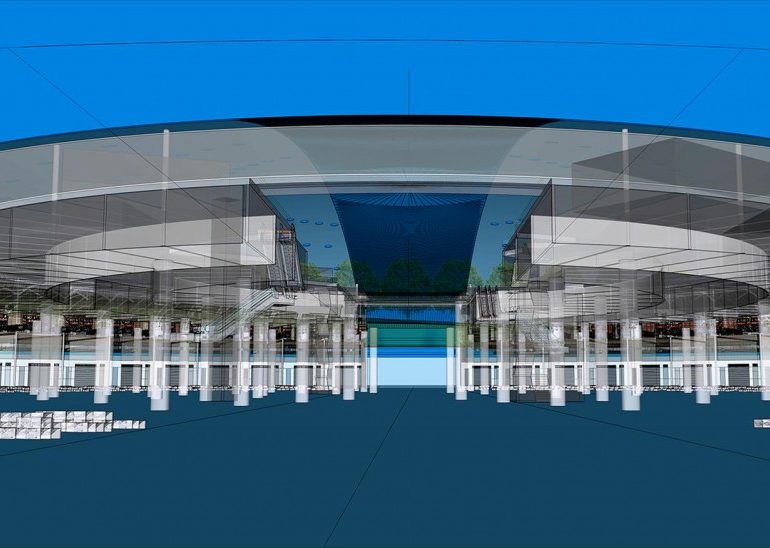
Both inside and out, the building is formed to recast work not as a burden but as a possibility. The spaces open rather than confine; they shape light rather than swallow it. And as one moves among daily tasks, one encounters that quiet yet persistent support that only well-conceived architecture can provide: an architecture that does not dominate but accompanies.
Thus the everyday—the vast, often underestimated novel of our lives—is reframed by the shape of the building. Work unfolds not in a state of alienation, but in an atmosphere that prepares joy: not as a loud promise, but as a fine and steady presence.
Perhaps this is the true task of the architecture of our time: to give human beings a space where they not only work, but where, amid the machinery of the day, they may find their way back to themselves.