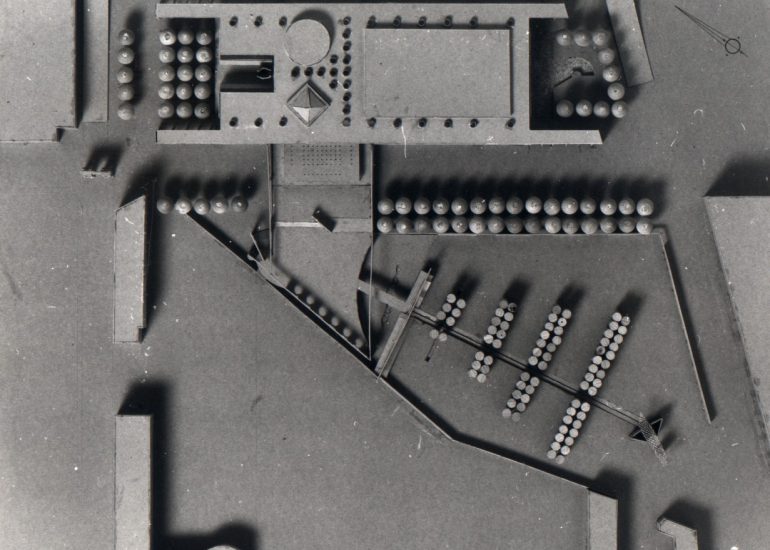
Fire Station
BURSA
A House Like an Armor, a Haven Like a Womb — Reflections on a Design for Safety
From the outside, it might appear paradoxical at first: a building that must serve both as a place of refuge and a bearer of meaning cannot merely erect walls — it must tell stories. As I have written before, our buildings are never merely stone, concrete, or steel — they are signs. And signs that carry no meaning crumble into mere debris.
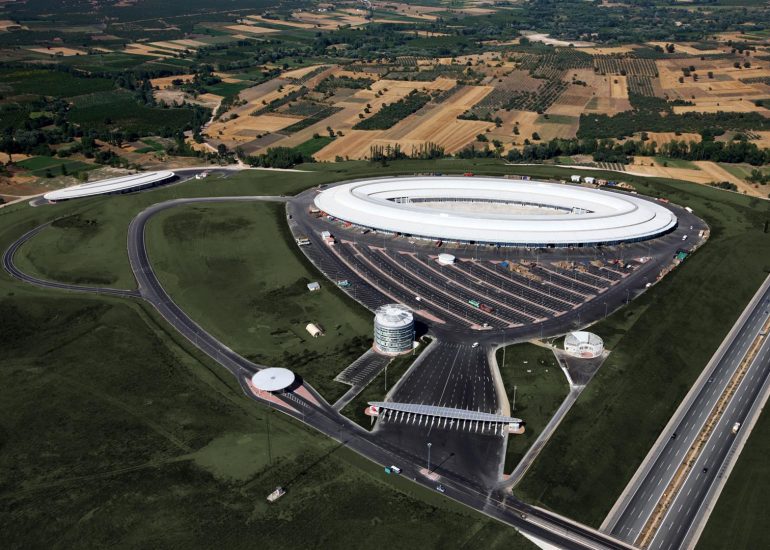
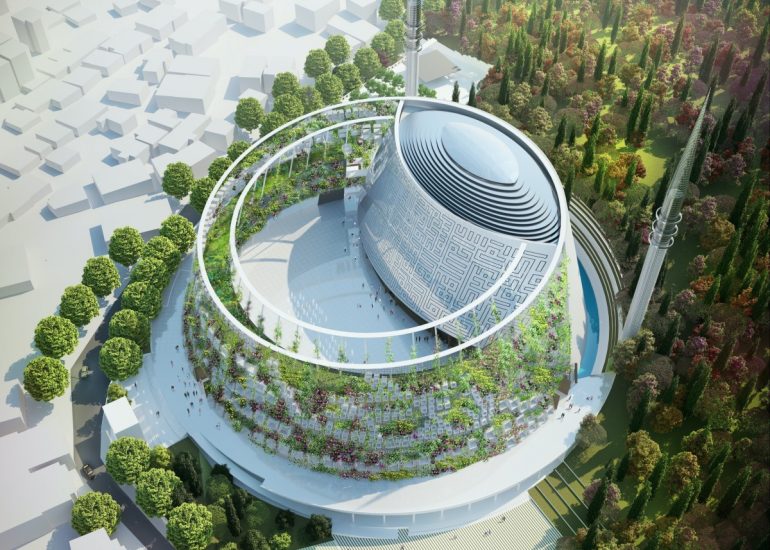
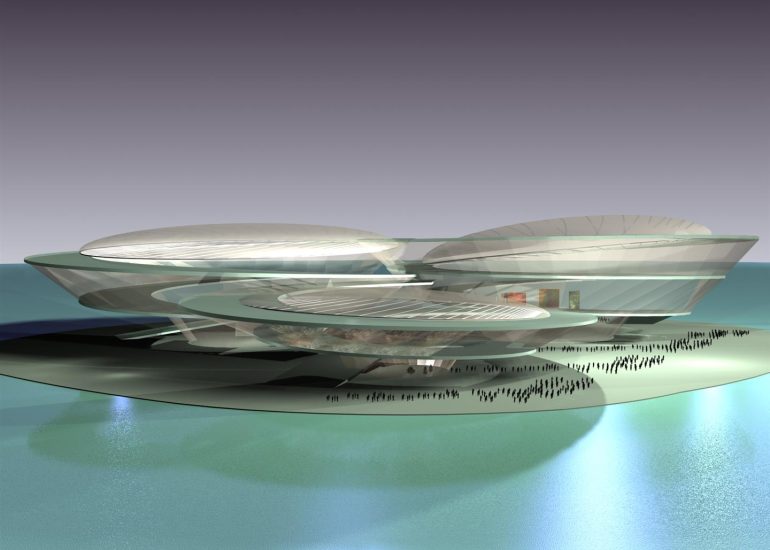
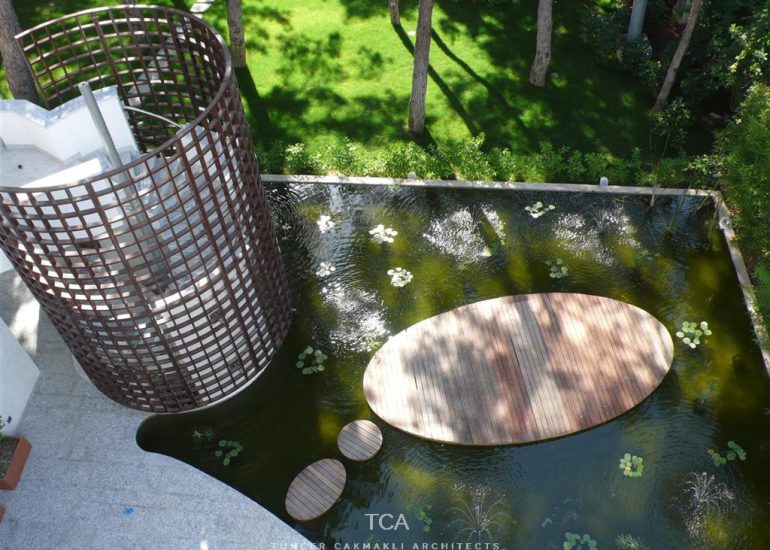
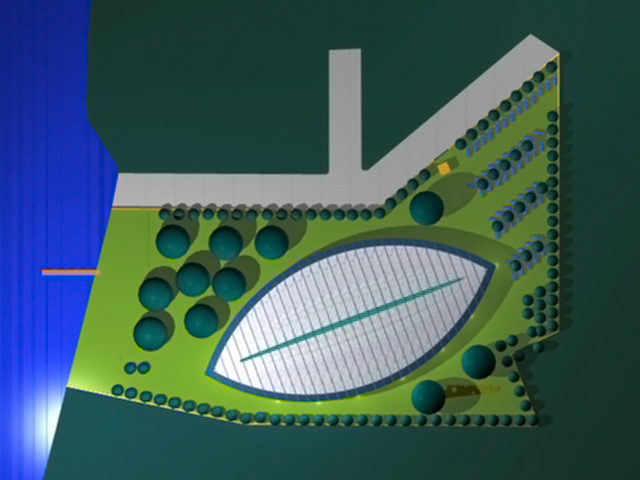
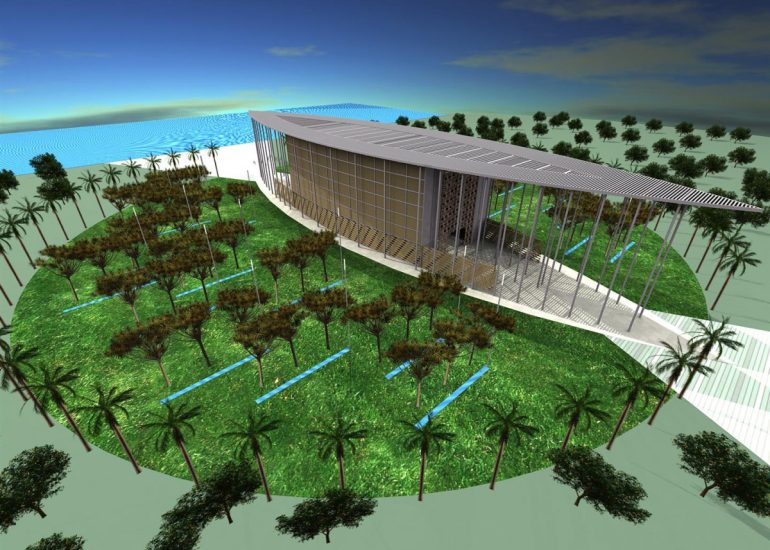
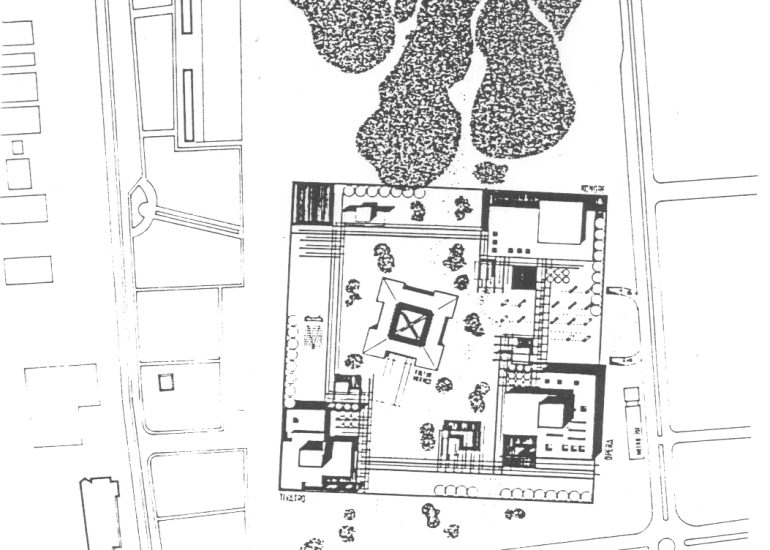
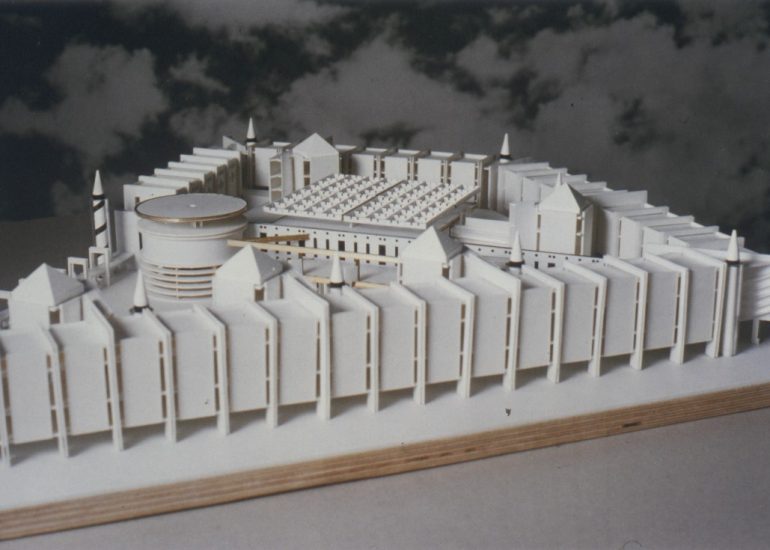
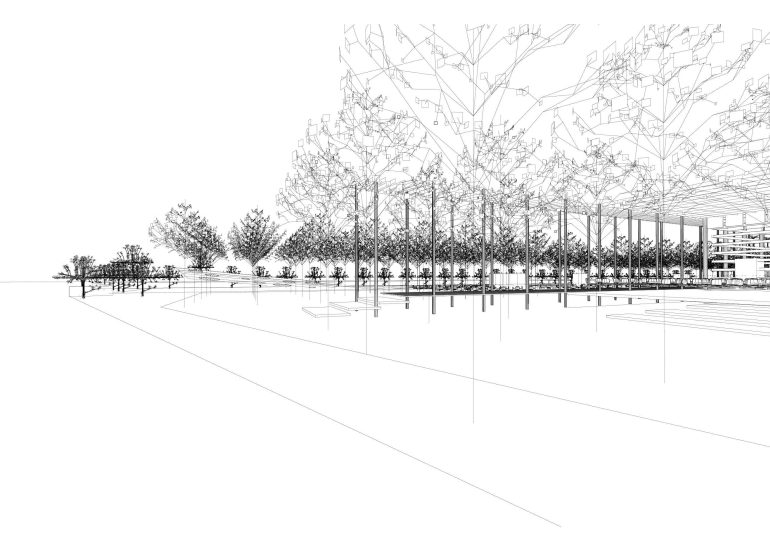
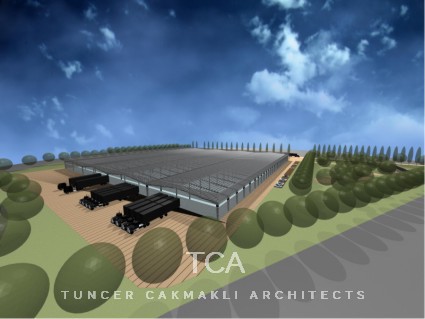
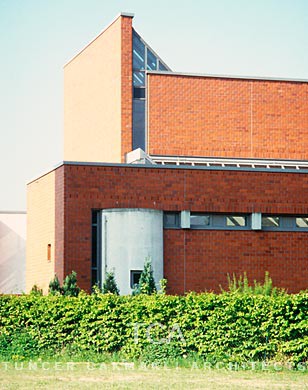
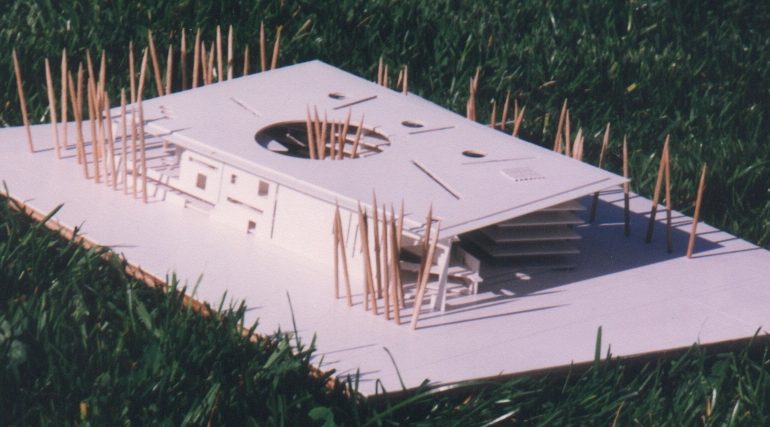
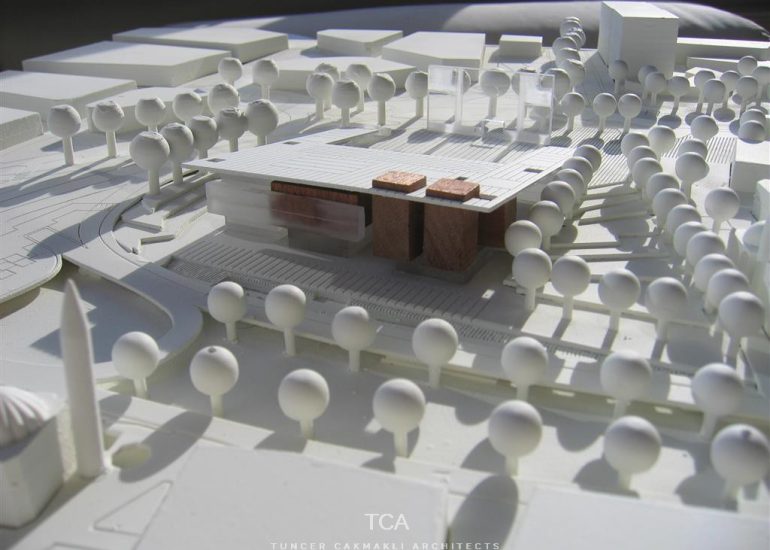
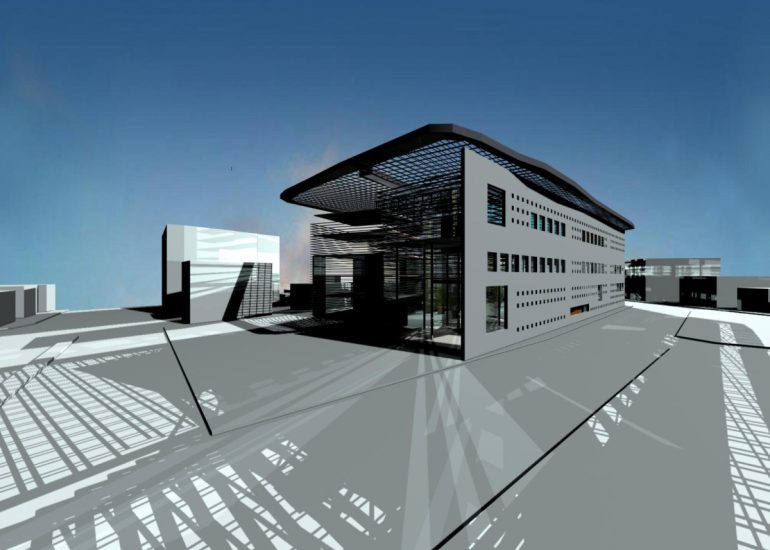
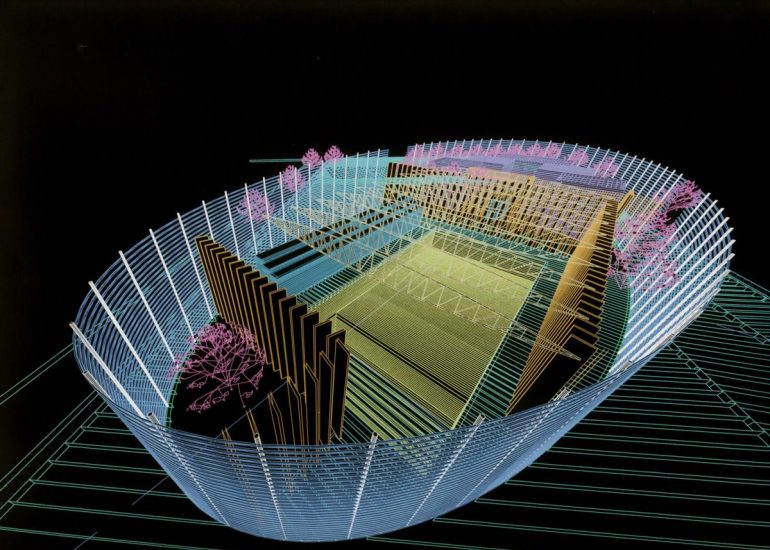
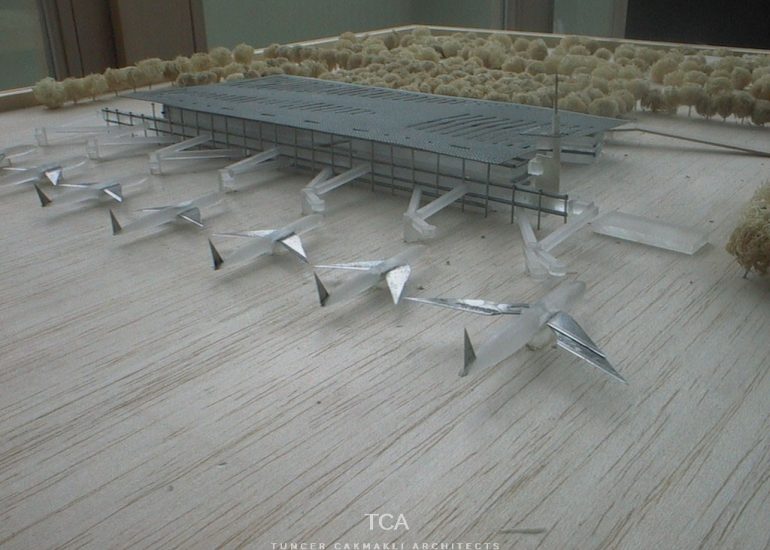
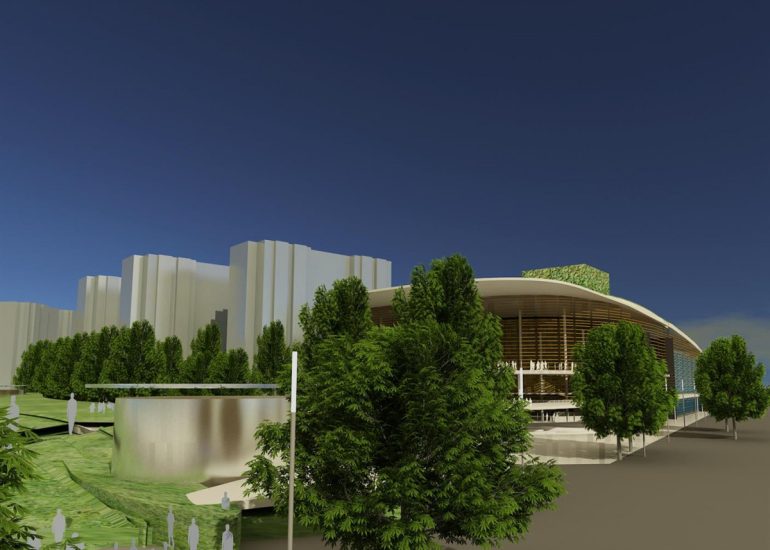
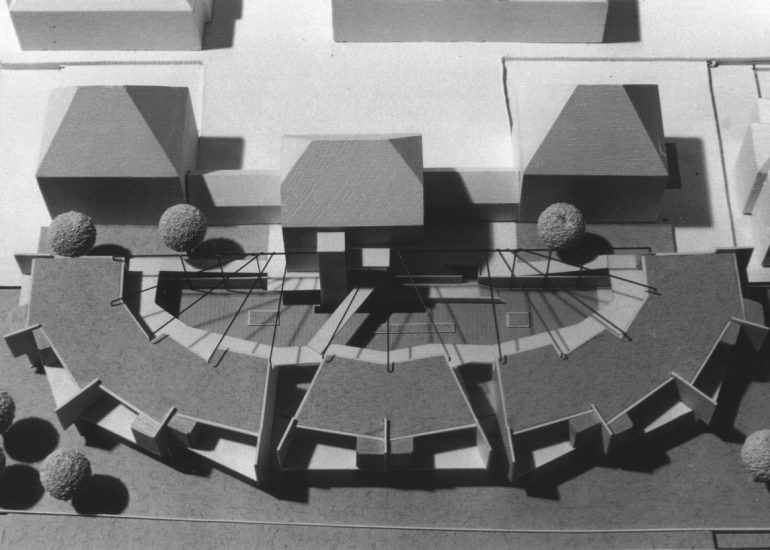
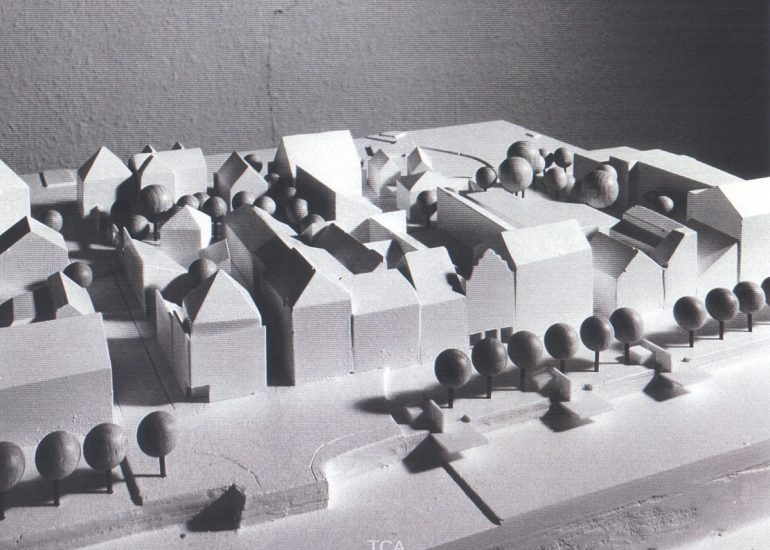
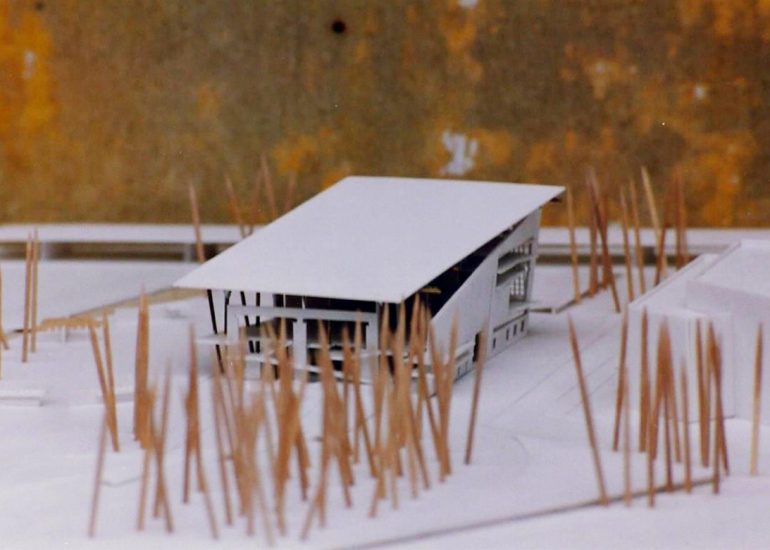
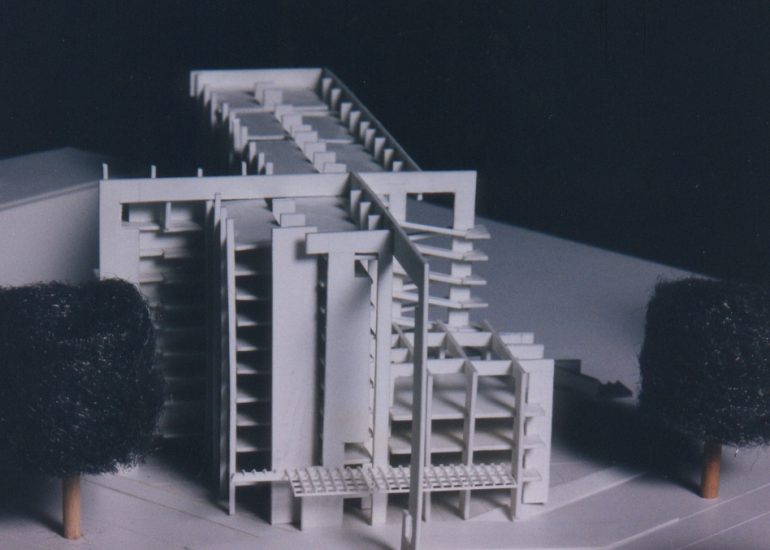
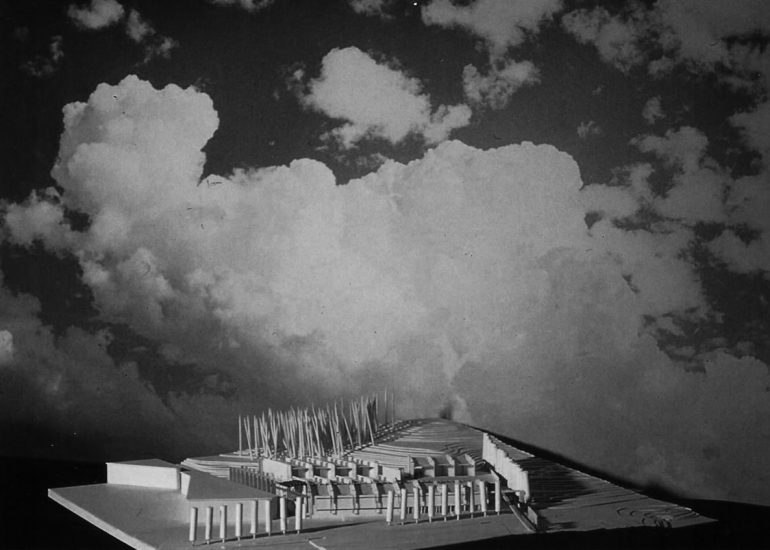
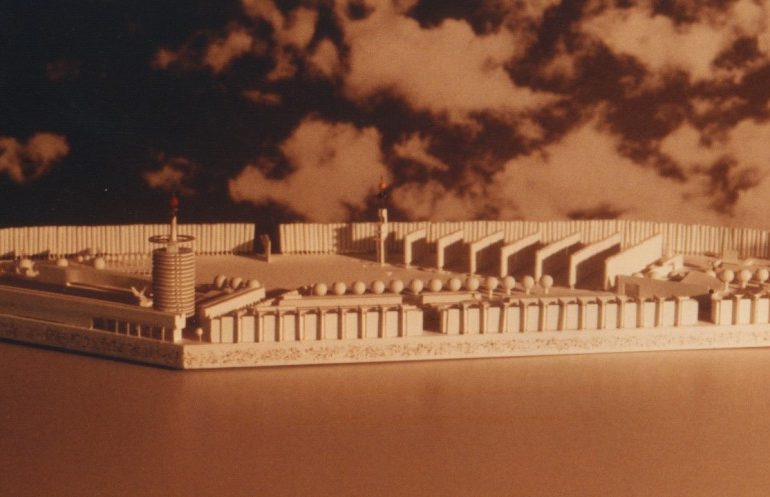
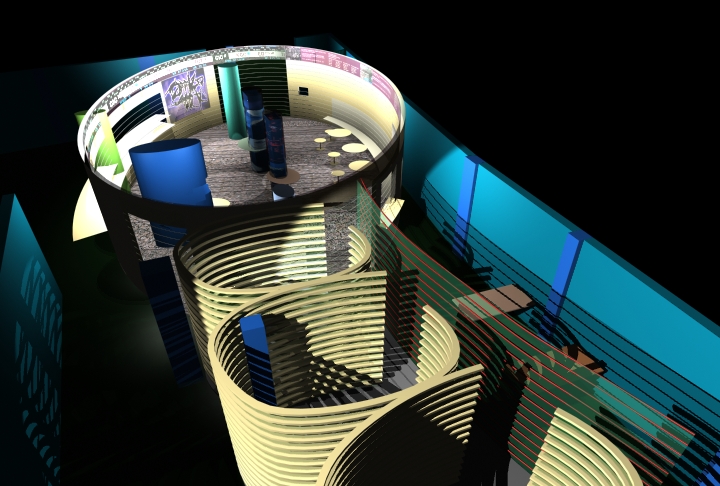
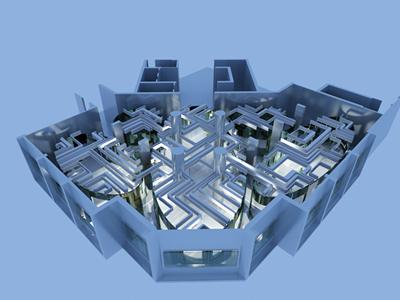
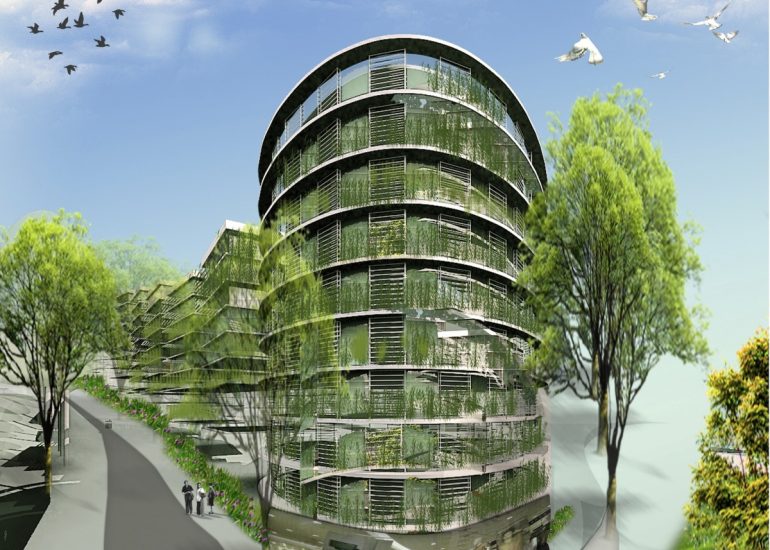
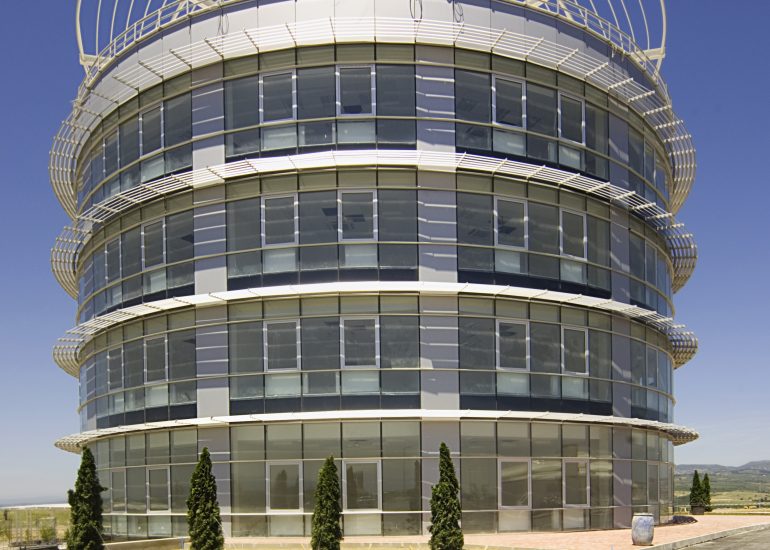
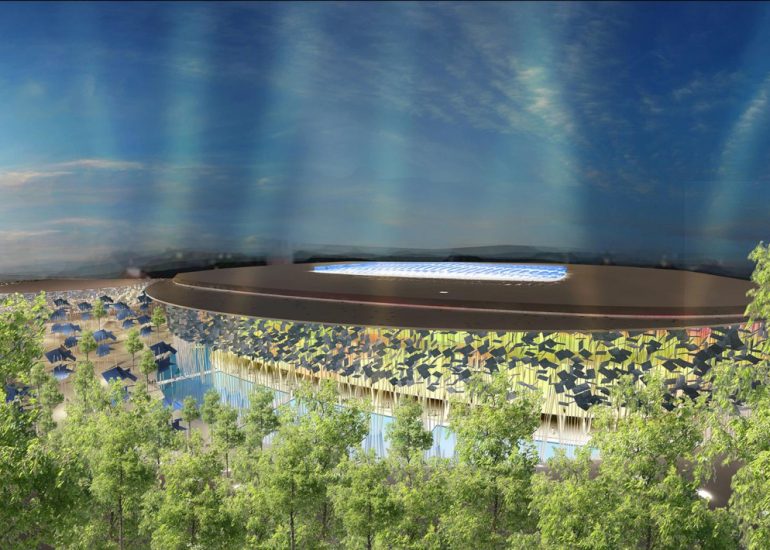
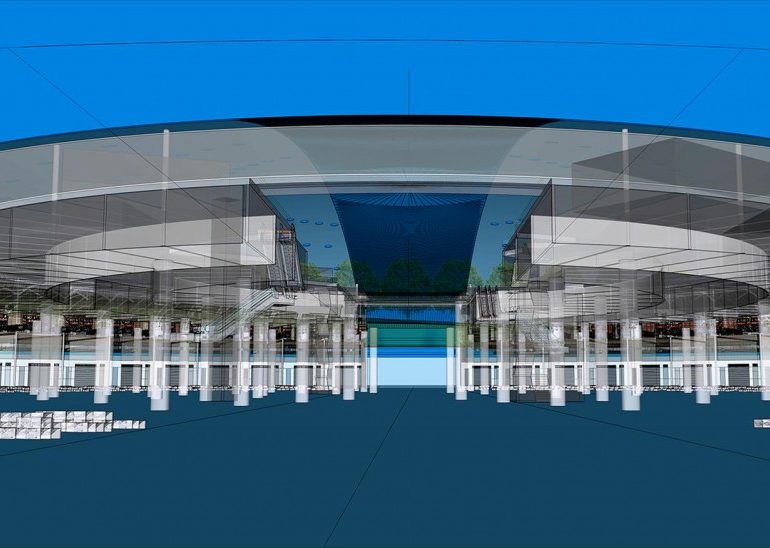
Thus, in this design, a circular structure rises — an architectural gesture that recalls the eternal validity of geometry. The circle, 360 degrees, an endless continuum: it cradles the team that rests, watches, and lives within its embrace, ready at every hour. An embrace of concrete and steel that defies the elements and grants humans shelter when the unpredictable flares outside.
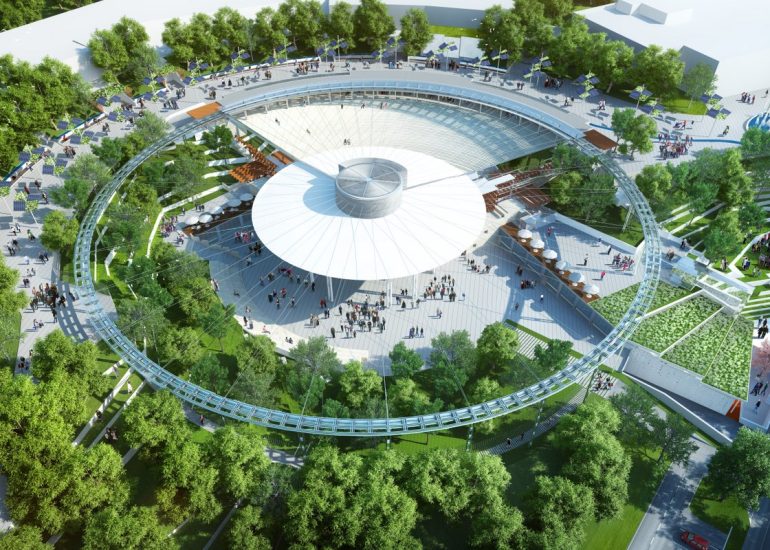
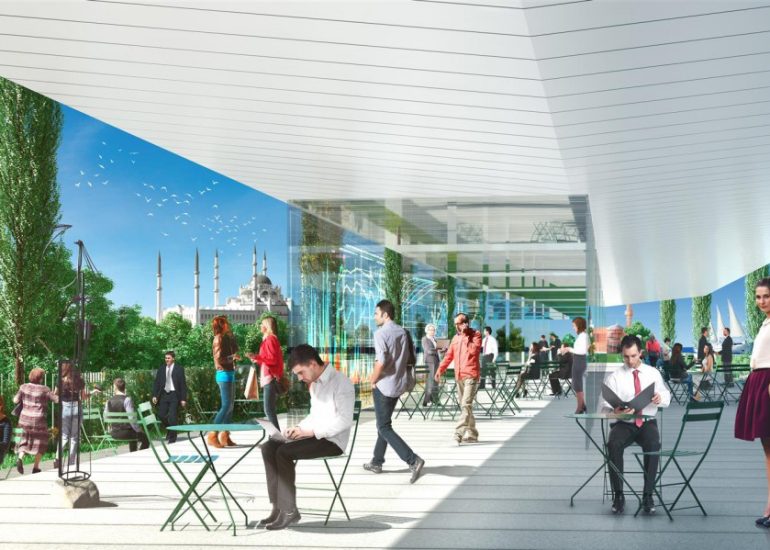
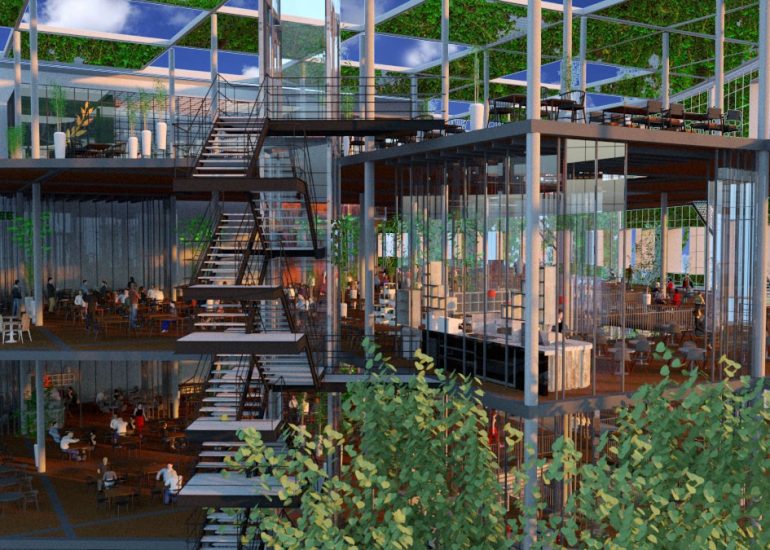
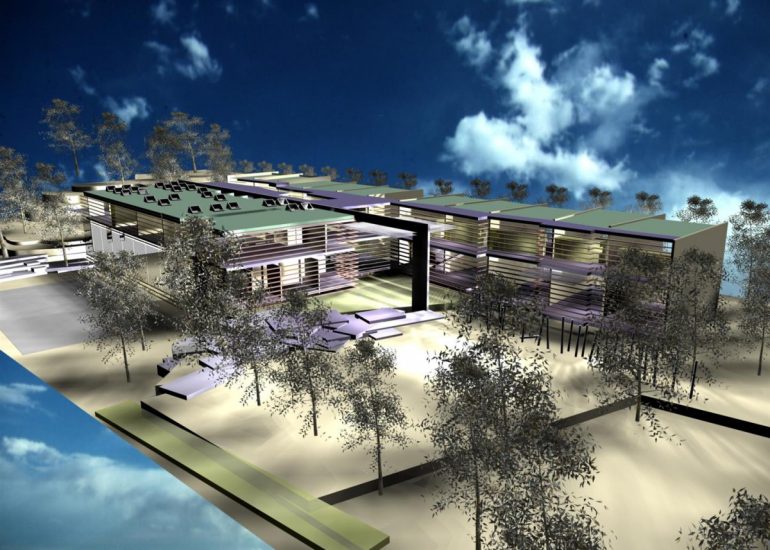
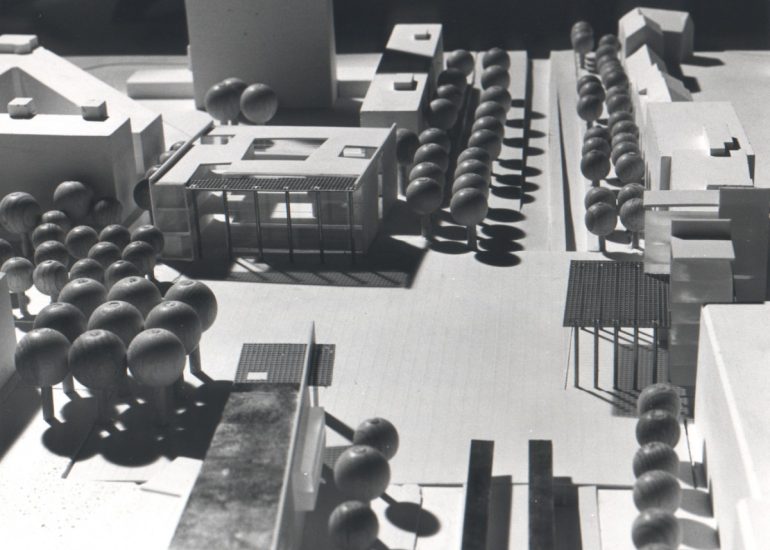
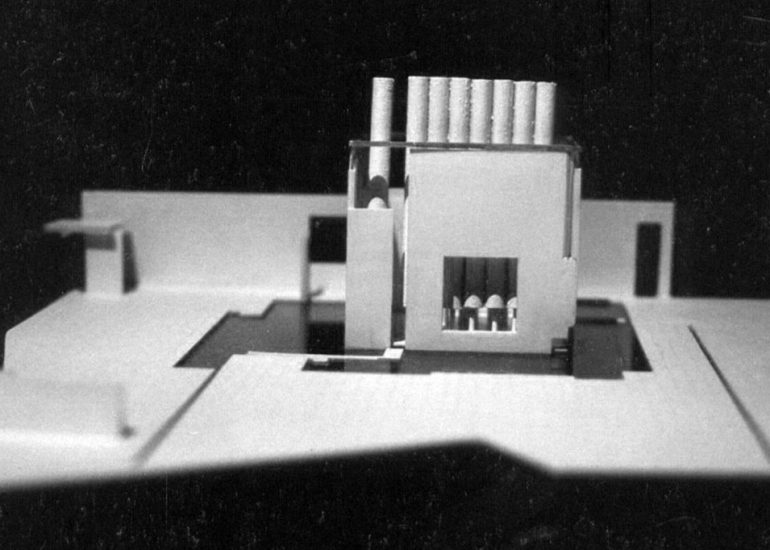
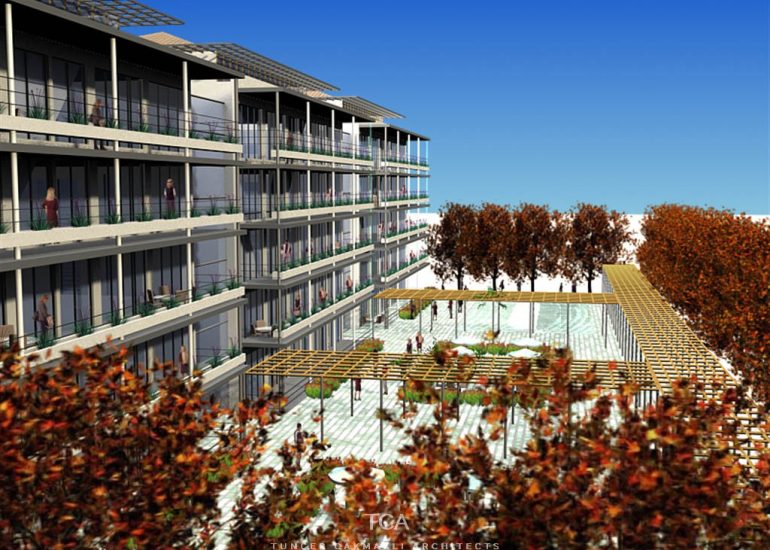
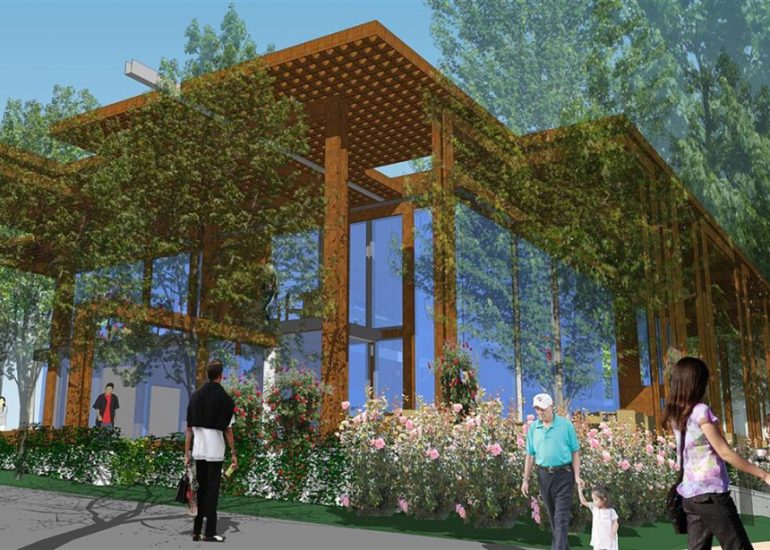
Yet this is no bunker that entombs its inhabitants in darkness. Inside, a small courtyard opens — a catcher of light, an oasis. It pierces the monolithic wall; the windows become membranes between inside and out. Here, in the heart of the circular bastion, nature may flourish, the eyes may find rest. It is a gesture of reconciliation between the rigor of protection and the softness of life.
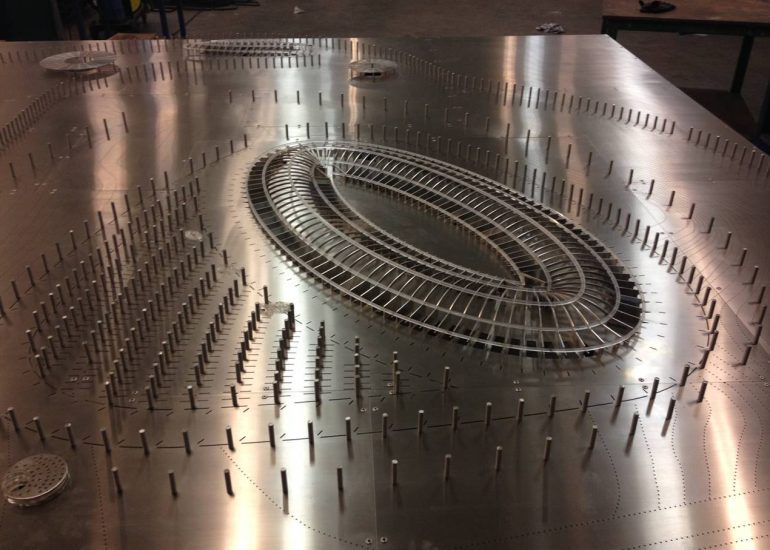
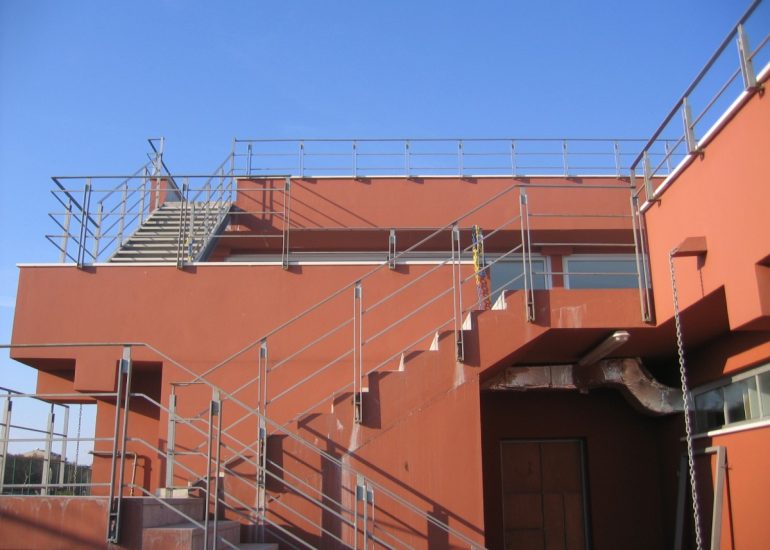
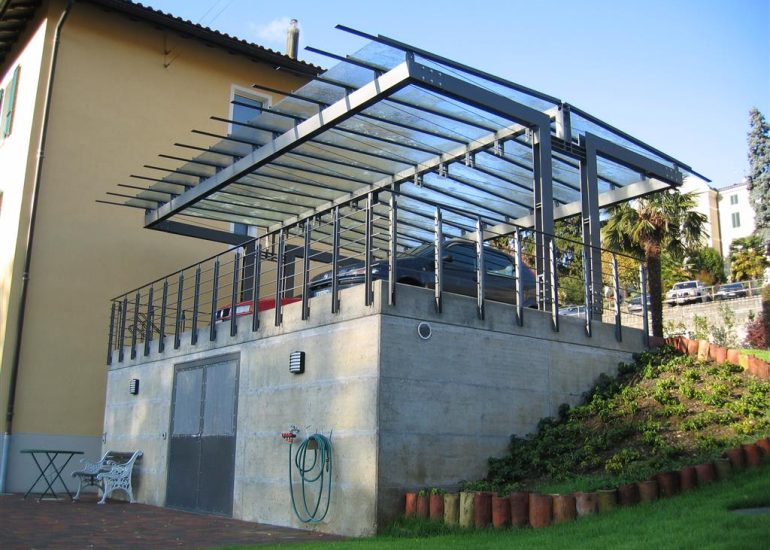
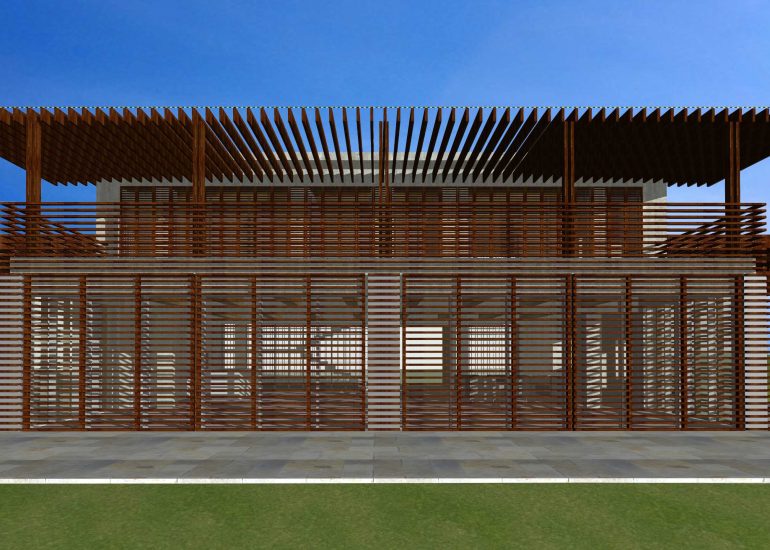
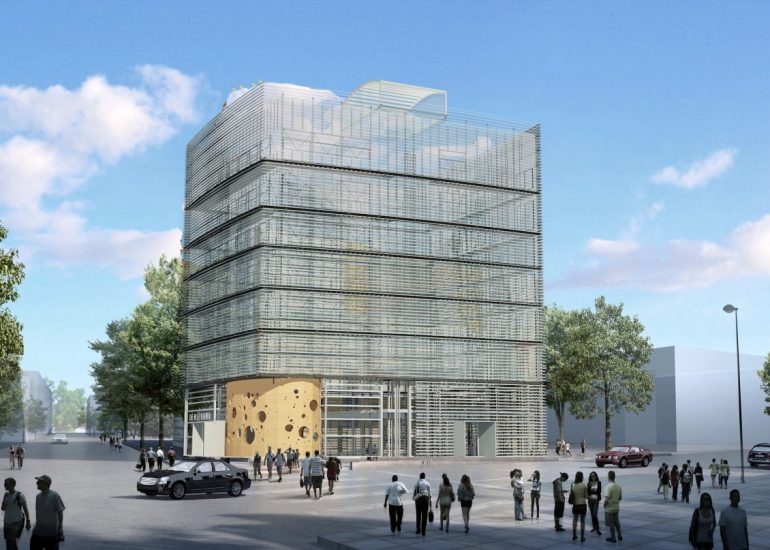
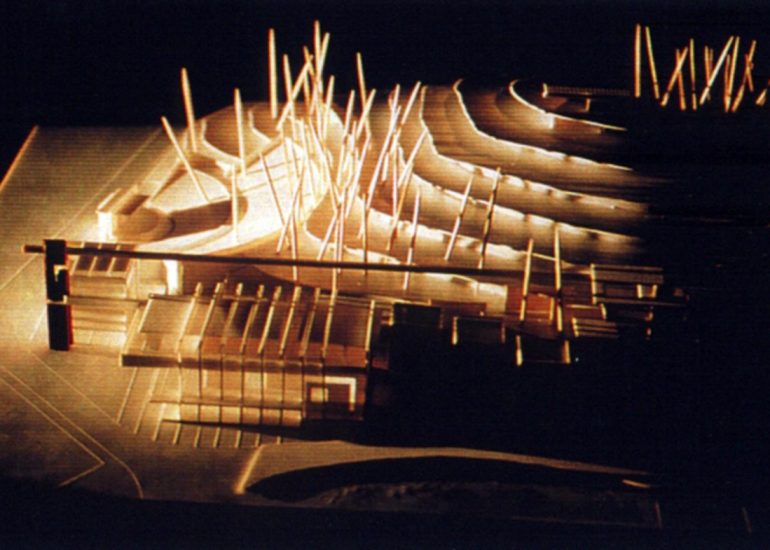
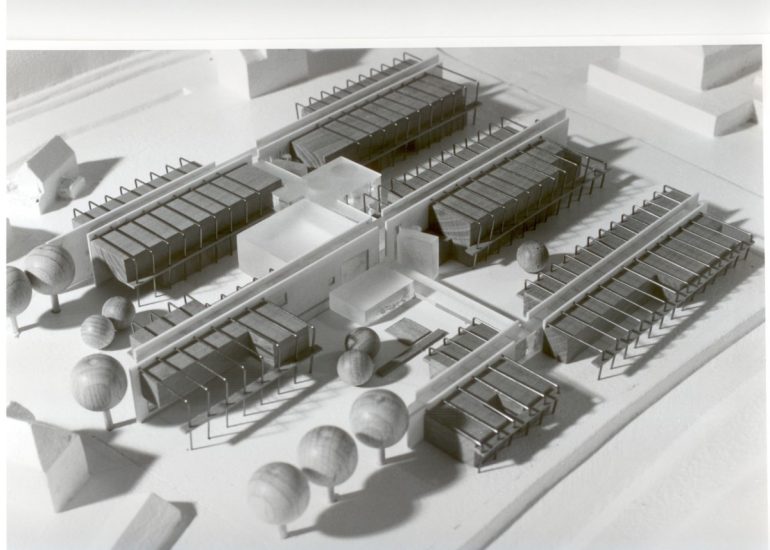
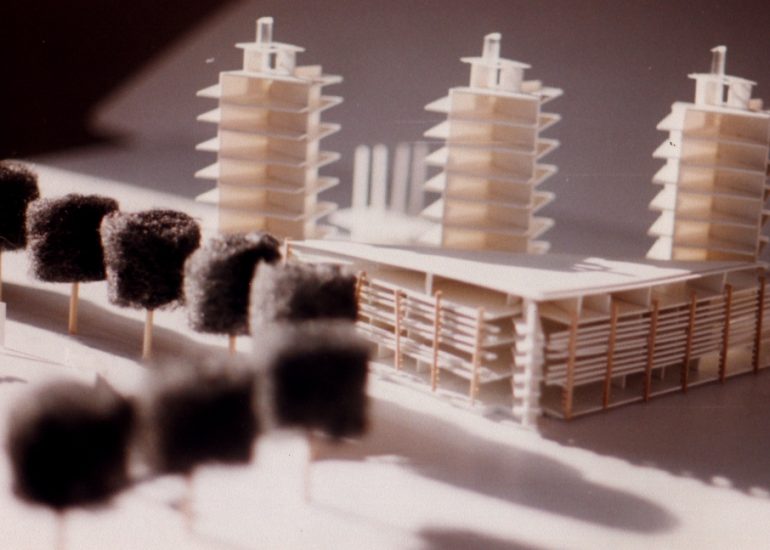
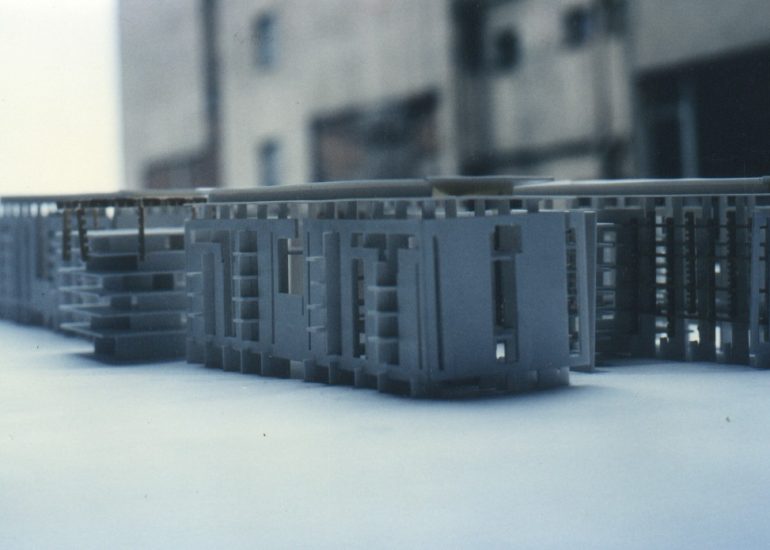
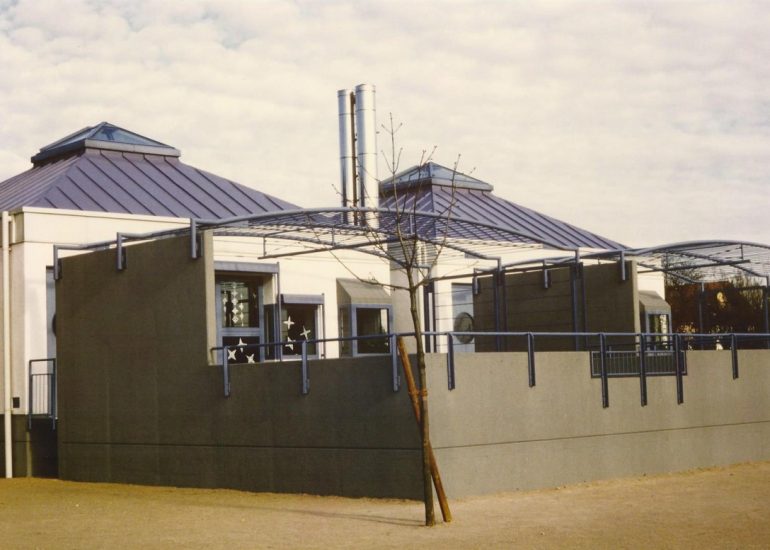
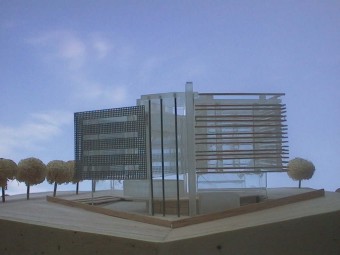
The steel framework envelops the structure like a delicate veil, softening the rigidity of the reinforced concrete. It is not a mere structural element but a semantic filter: the veil allows glimpses while shielding from overly intrusive gazes. It evokes the image of a parchment through which sunbeams seep like ink, tracing lines on the walls that shift with each passing hour — a living palimpsest of time.
For every sign, as semiotics teaches us, lives in ambivalence: it is never only what it appears to be. Thus, this building is not merely a fire station, not merely a security outpost, not merely a dwelling for a team. It is a promise. It speaks of the reliability of those who serve within — and of the necessity to create spaces that preserve the human within functional rigor.
May its walls be strong, its windows wide, its courtyard green — so that the people who inhabit it will always know why they keep watch.


Bir Zırh Gibi Ev, Bir Rahim Gibi Sığınak — Güvenlik İçin Bir Tasarım Üzerine Düşünceler
Dışarıdan bakıldığında bu durum ilk anda paradoksal görünebilir: Hem sığınak hem de anlam taşıyıcısı olacak bir yapı, sadece duvarlar örmekle kalamaz — hikâyeler anlatmalıdır. Daha önce de yazdığım gibi, binalarımız asla yalnızca taş, beton ya da çelik değildir — onlar birer işarettir. Ve anlam taşımayan işaretler, eninde sonunda birer yıkıntıya dönüşür.
Bu tasarımda yükselen yapı daire formundadır — geometrinin sonsuz geçerliliğini hatırlatan bir mimari jest. Çember, 360 derece, kesintisiz bir süreklilik: İçinde 24 saat nöbette, uyanık, yaşayan ekibi sarıp sarmalar. Beton ve çelikten bir kucaklama; dışarıda belirsizlik alevlenirken insanlara sığınak sunar.
Ancak bu yapı, sakinlerini karanlığa gömen bir sığınak değildir. İçeride küçük bir avlu açılır — ışığı yakalayan bir durak, bir vaha. Monolitik duvarı deler; Pencereler iç ve dış arasındaki birer zar gibi işler. Dairesel kalenin kalbinde doğa yeşerir, gözler dinlenir. Bu, korumanın katılığı ile yaşamın yumuşaklığı arasında bir uzlaşma jestidir.
Çelikten oluşan örgü, yapıyı ince bir örtü gibi sarar; betonarme yapının katılığını yumuşatır. Bu sadece bir strüktürel unsur değildir, aynı zamanda anlamsal bir filtredir: Bu örtü, içeriyi tümüyle açmaz ama fazlaca meraklı bakışlardan korur. Güneş ışınlarının mürekkep gibi süzüldüğü bir parşömeni anımsatır; duvarlara her saat değişen çizgiler çizer — zamanın yaşayan bir palimpsestidir bu.
Zira her işaret, bize göstergebilim öğretir ki, çift anlamlıdır: Asla sadece göründüğü şey değildir. Bu bina da sadece bir itfaiye merkezi, sadece bir güvenlik karakolu, sadece bir ekip konutu değildir. O bir vaattir. İçinde görev yapanların güvenilirliğini ve işlevsel katılığın içinde insan olana yer açmanın gerekliliğini anlatır.
Dilerim ki duvarları güçlü, pencereleri geniş, avlusu yeşil olsun — böylece içinde yaşayanlar yarın da neden nöbet tuttuklarını unutmasınlar.